

Bring big questions into your classroom!
If you’re a teacher, a community leader, or a homeschool parent, you’ve landed in the right spot!
Cruise through our list of free, downloadable lesson plans that spans all kinds of topics, and interests. All of them make learning to think critically and philosophically fun!
Looking for something specific, like a curriculum subject or theme? Pop it into the search field, and you’ll find a variety of lessons, as well as helpful blog posts. Be sure to check out our “Just For Fun” activities, as well as our assessment and evaluation tools.
New stuff added all the time, so keep checking back!
Happy thinking!

Lesson Plan: Argument Vs. Argument
Learn the difference between arguing as an emotional release, and arguing as a way to communicate ideas and think rationally. Explore the different parts of an argument and by creating your own “puzzle”.

Lesson Plan: Critters To Consider
Explore the ways in which non-human creatures react to the world around them, and then reflect on how humans react (or should react) in similar situations. Find empathy for and understanding of other beings who share our world, and dig deeper into what makes a human being think and act the way they do.

Lesson Plan: Tackling Tall Tales
Read and evaluate some of the “tall tales” that children have traditionally been told, and enjoy their silliness while learning to look for evidence and explanation. Use creative writing techniques to create new tales.

Lesson Plan: Make Friends With Idunno
Explore the benefits of admitting when we don’t know something, and discuss the ways that curiosity and an open, inquiring mind can lead to adventures in thinking. Create a visual representation of this in the form of a cartoon critter.

Lesson Plan: From Noise To Music
Collaborate to create a definition of music by comparing it to everyday sounds. Go on a treasure hunt for all kinds of sounds in the classroom. Explore the process by which we change noise into something creative and artistic, and appreciate that different types of music may appeal or not appeal to listeners.

Lesson Plan: Crafting A Better World
Take a critical, but optimistic look at ways that even young thinkers can contribute solutions to problems in their school, their community, and beyond. Craft works of art in a variety of media that express ideas for improvement, and share and explain them with peers.

Lesson Plan: Homework About Humans
Think critically about what it means to be “human” by investigating what makes us similar to or different from other animals. Roleplay as a cryptozoological creature (a Yeti) to research and ask questions about human physical, social, and behavioural characteristics. Use graphic organizers and a labelled diagram to “teach” an audience of other cryptozoological creatures (Yeti students) about the humans that live in their environment.
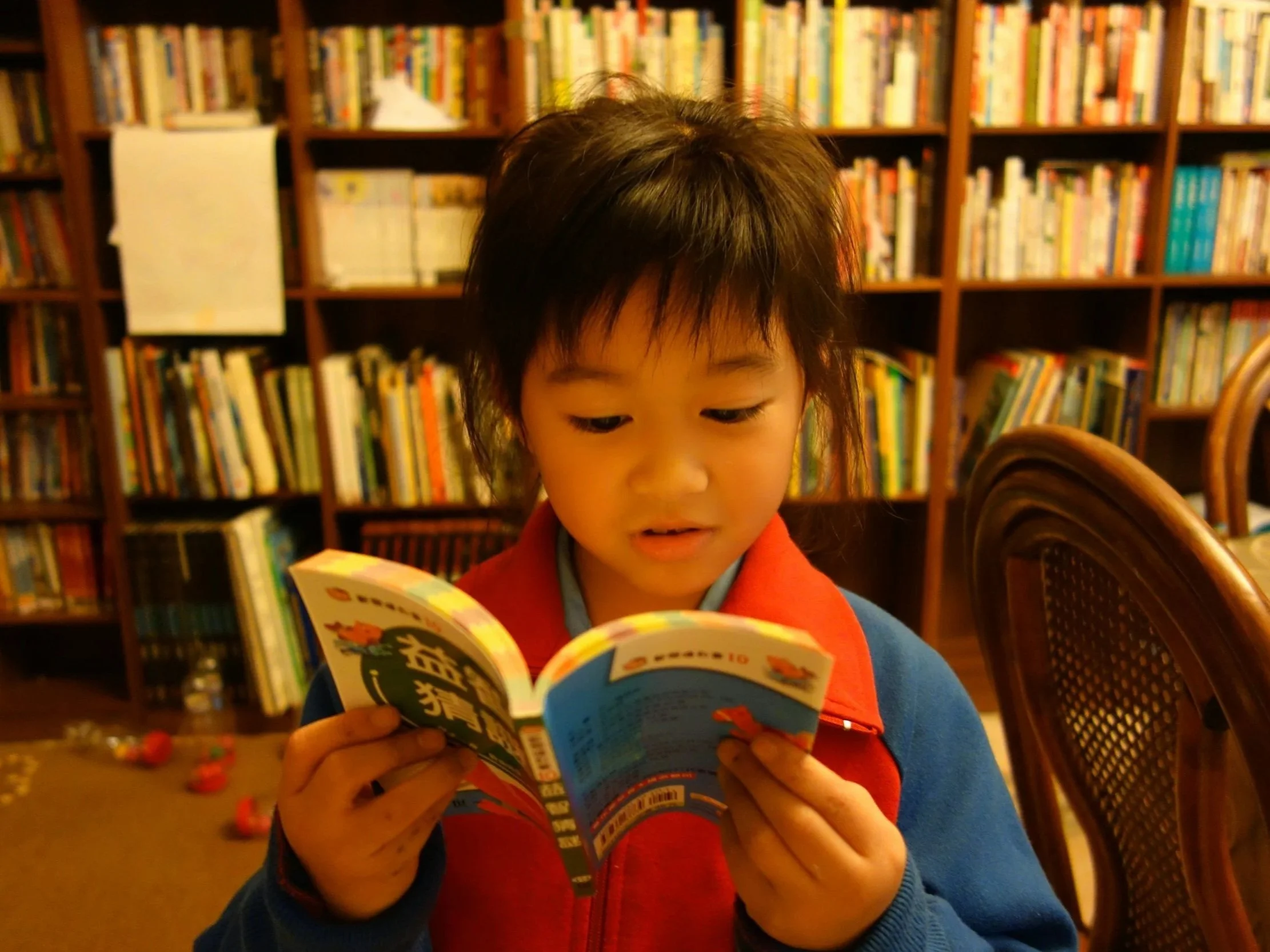
Lesson Plan: The Stories We Tell
Get familiar with different media “languages” (e.g., images, sounds, graphics, and words). Think critically about the media we chose to tell a story, how media influence the stories we tell, and who our stories can reach. Tell one story in different ways, using a variety of media, and consider how this story might be told in the future.

Lesson Plan: Do You See What I See?
Build an awareness of perception by considering how different creatures of different sizes (e.g., an ant, a mouse, a human child, an elephant) might perceive the same item. Develop a vocabulary to describe how these creatures might see a simple object (like a flower) and create a visual representation of that object from each creature’s perspective.

Lesson Plan: Extremely Cool Questions
How do you tackle a big question, especially if it’s one with many different answers? Work together to analyze a challenging, but fascinating philosophical question, and come up with a variety of different answers.

Lesson Plan: Brave Thoughts
Explore the role of courage in asking “big questions”. Research a great thinker who was willing to be brave, ask questions, and think carefully about possible answers, and whose ideas changed history.

Lesson Plan: Who Uses Philosophy?
Philosophy can be useful to so many people! Explore various jobs and activities that are made better by asking big questions. Get to know members of the community through the big ideas they use.

Lesson Plan: Our Thinking Community
Explore questions that don’t lend themselves to “yes” or “no” answers. Examine how one question can generate many different points of view. Discuss the importance of building a “Thinking Community” in which many different answers are given consideration.
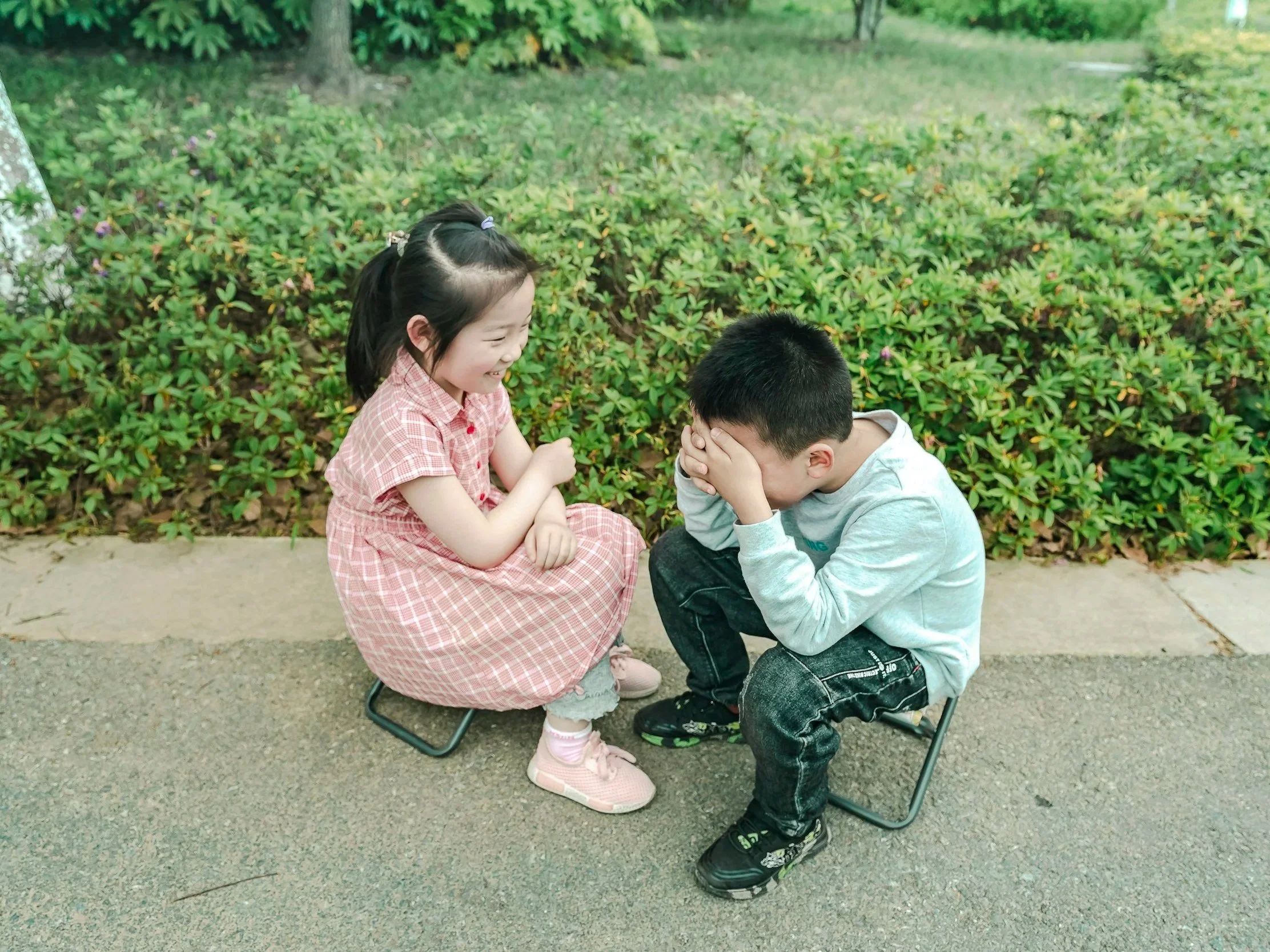
Lesson Plan: Be Reasonable
Learn to present ideas and opinions in a way that others will understand and appreciate. Examine the right and wrong way to make an argument by identifying common mistakes in reasoning, and develop strategies to correct them.

Lesson Plan: Rules And Regulations
Develop and play an action-based game to learn and remember the etiquette and best practices of critical thinking and discussion.
Lesson Plan: Cosmic Consequences
Understand that reflecting on our thoughts and actions can have positive consequences. Think critically about a choice that has been made recently and consider objectively what the consequences were and what they might have been if a different decision had been made. Identify possible errors in reasoning.

Lesson Plan: Question Avalanche
Learn to find the smaller questions that lead into larger, more complex questions. Practice evaluating these questions effectively. Examine the way that asking different kinds of questions improves our overall understanding.
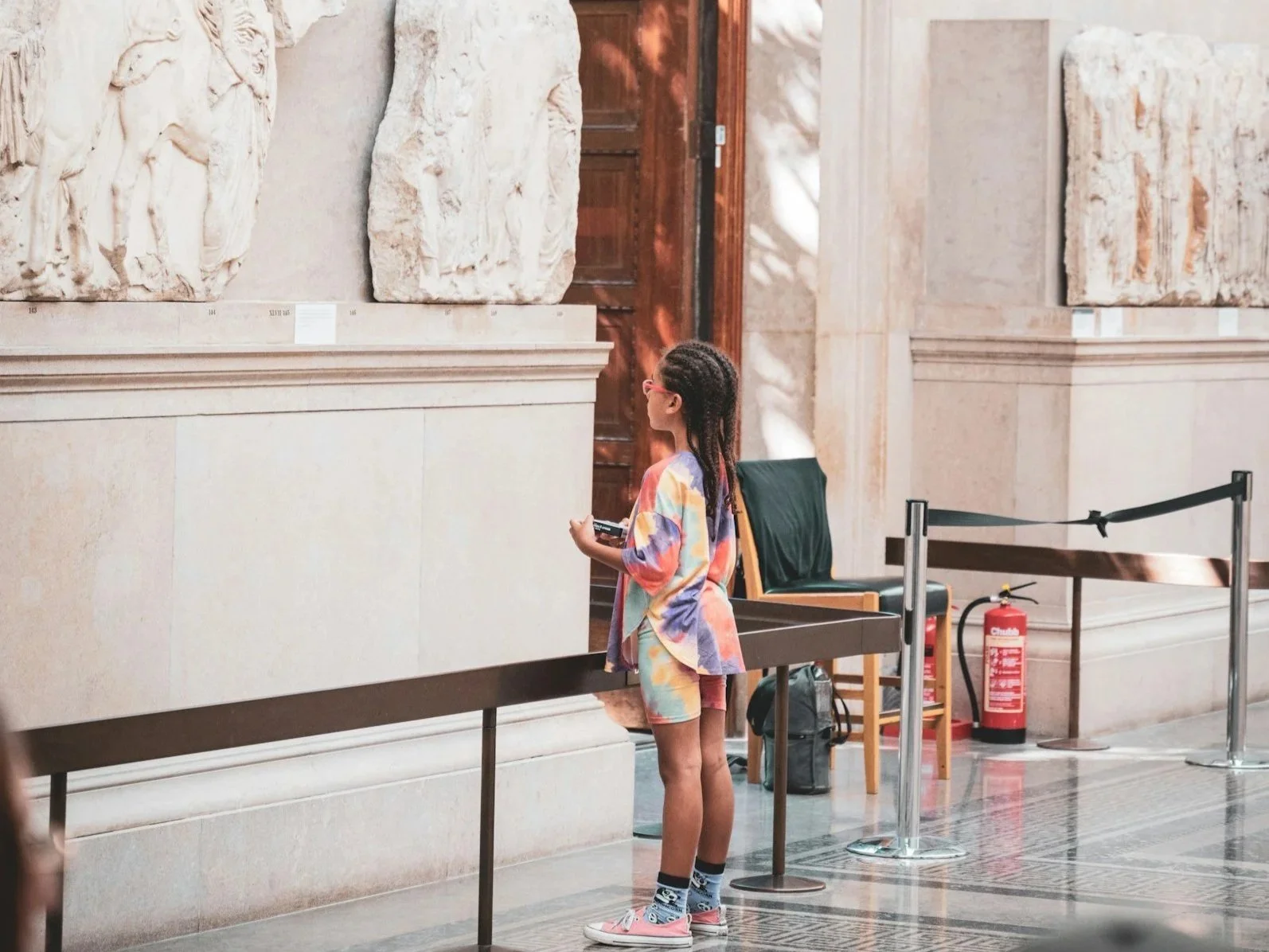
Lesson Plan: Famous Minds In Time
Get to know a great thinker, as well as the place and time in which they lived. Consider why they asked the questions that they did and think about the kinds of questions that would have been important to people at that time. Make connections to the questions that people are asking now.

Lesson Plan: Great Thinkers
Anyone can be a great thinker if he or she is willing to be brave, ask questions, and think carefully about possible answers. Create a “Great Thinker” super-hero persona around a personal strength that is shared with great thinkers in history.

Just For Fun: Philosophy Wordplay
Get familiar with the kinds of philosophy, as well as famous thinkers with a word scramble and a word search!