

Bring big questions into your classroom!
If you’re a teacher, a community leader, or a homeschool parent, you’ve landed in the right spot!
Cruise through our list of free, downloadable lesson plans that spans all kinds of topics, and interests. All of them make learning to think critically and philosophically fun!
Looking for something specific, like a curriculum subject or theme? Pop it into the search field, and you’ll find a variety of lessons, as well as helpful blog posts. Be sure to check out our “Just For Fun” activities, as well as our assessment and evaluation tools.
New stuff added all the time, so keep checking back!
Happy thinking!

Lesson Plan: Breaking The Mold
Research what life was like for a philosopher who accomplished something that was unexpected in the time and place in which he or she lived. Understand that not all great thinkers lived in a time or place in which their ideas or actions were considered acceptable or important. Learn about how philosophers overcame these obstacles in order to accomplish great things. Make connections between the accomplishments of this philosopher and personal goals for intellectual achievement.
Lesson Plan: Fact Or Fiction?
Create objects and artifacts from a story in which the line between reality and imagination is blurred, and talk about what is real and what is not real. Discuss the importance of things that are real, and the importance of the imagination, by investigating the way a story character understands the world.
Lesson Plan: The Art Of Making Decisions
Explore the difference between making decisions and having things decided for us, and identify the role our mind-body connection plays in our freedom.
Lesson Plan: The Universe And I
Think about the word “Universe” and draw a picture of the images and ideas that this word brings to mind. Read about another person’s idea of what this word represents and note the differences or similarities between the two. Consider why people may have particular ideas about the universe and their place in it.
Lesson Plan: Healthy Body, Healthy Mind
Identify and describe what makes us happy and healthy as individuals. Investigate and discuss the needs of our bodies and minds, as well as how they are connected or separated.
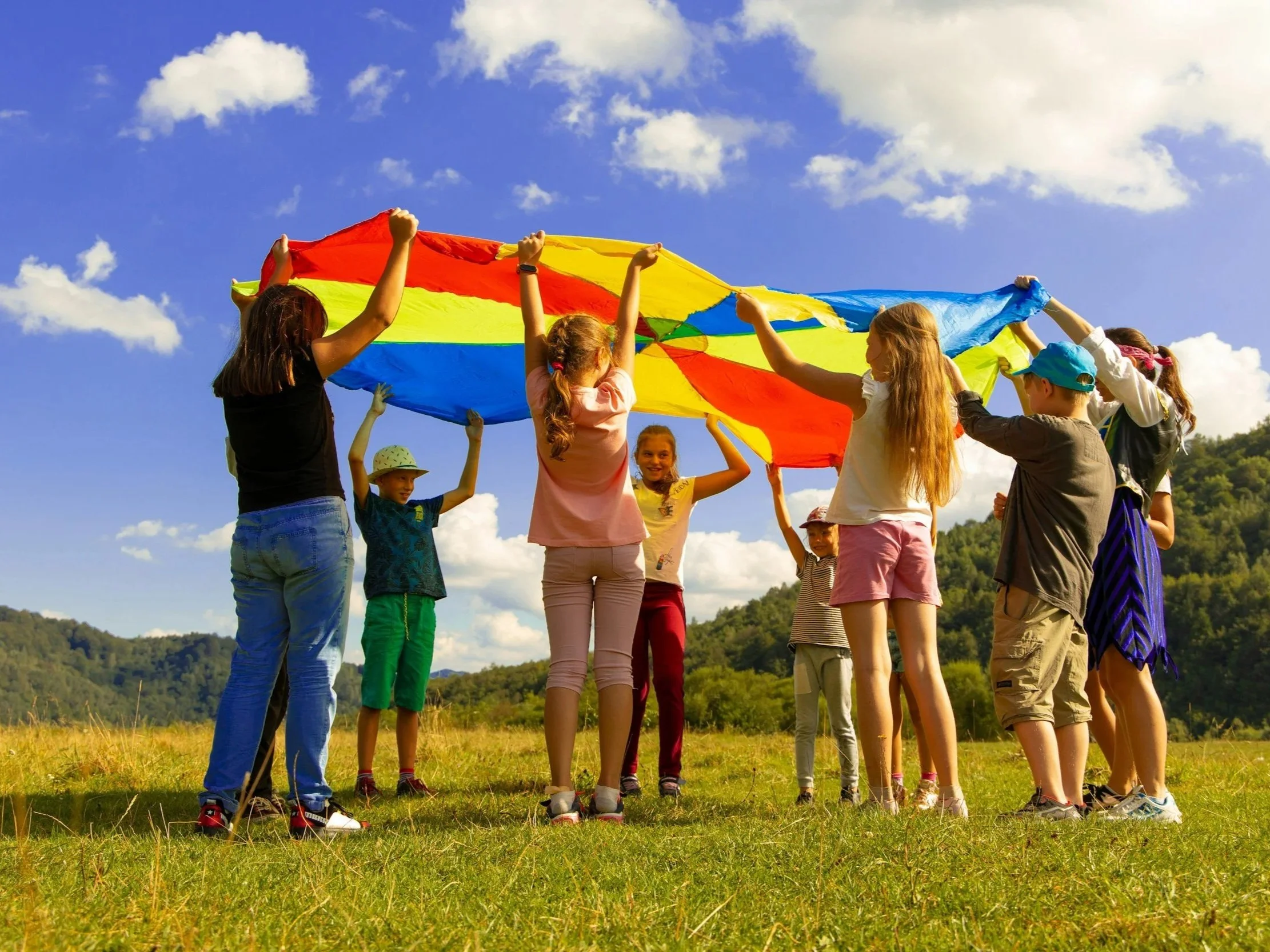
Lesson Plan: Do As I Do
Think critically about what it means to lead by example, and make strategies for modelling good behaviour to other young thinkers.
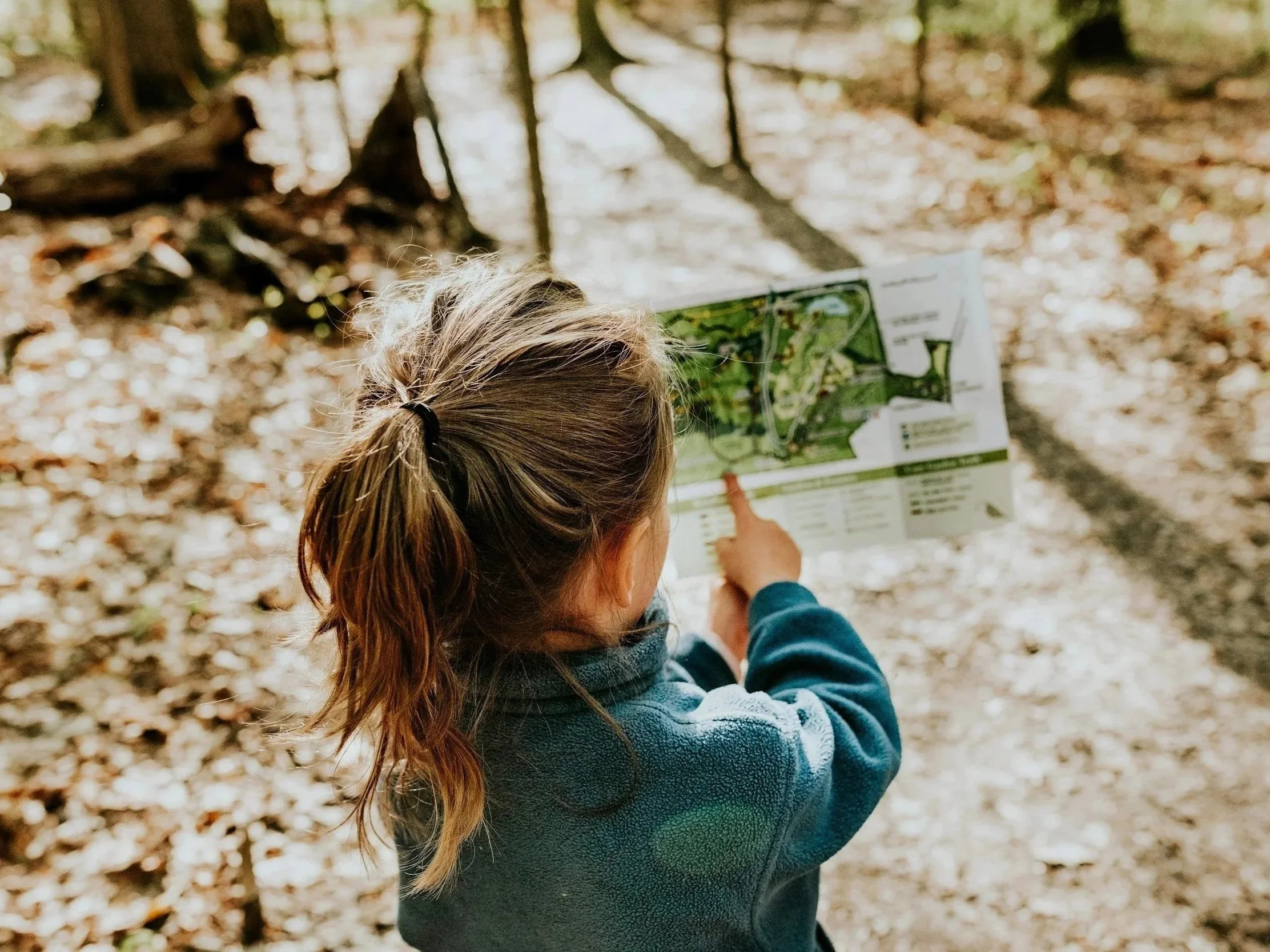
Lesson Plan: Be The Boss
Get to know a person who is in charge, or a “boss” in your school or community. Interview this person, explore what helps them make important decisions, and develop strategies for making your own.
Lesson Plan: The Game of Leadership
Explore and think critically about various ways to define a “Good Leader”. Create a story board for a video game, or an adventure board game that follows one person’s “quest” to become a good leader.
Lesson Plan: Decide For Yourself
Create a play/video about making decisions and how these decisions affect people around you. Explore and think critically about who makes decisions, the way that people make decisions, and how best to decide for yourself.
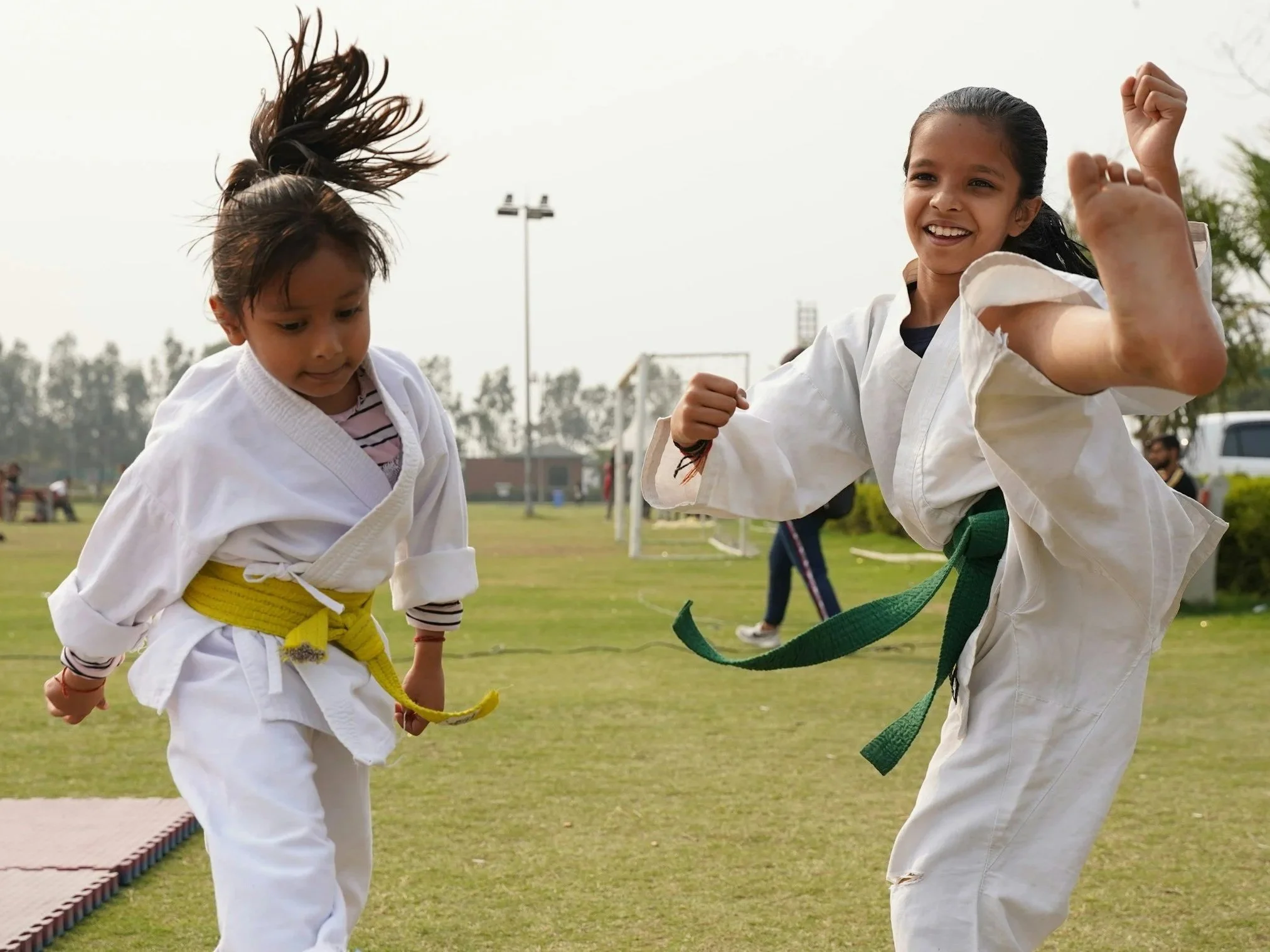
Lesson Plan: Powerful Women
Research what life was like for a woman of great power/influence who accomplished something unexpected in the time and place in which she lived. Make connections between the accomplishments of these great women and one's own personal goals.

Lesson Plan: Beautiful By Surprise
Research what life was like for a philosopher who accomplished something that was unexpected in the time and place in which he or she lived. Understand that not all great thinkers lived in a time or place in which their ideas or actions were considered acceptable or important. Learn about how philosophers overcame these obstacles in order to accomplish great things. Make connections between the accomplishments of this philosopher and personal goals for intellectual achievement.
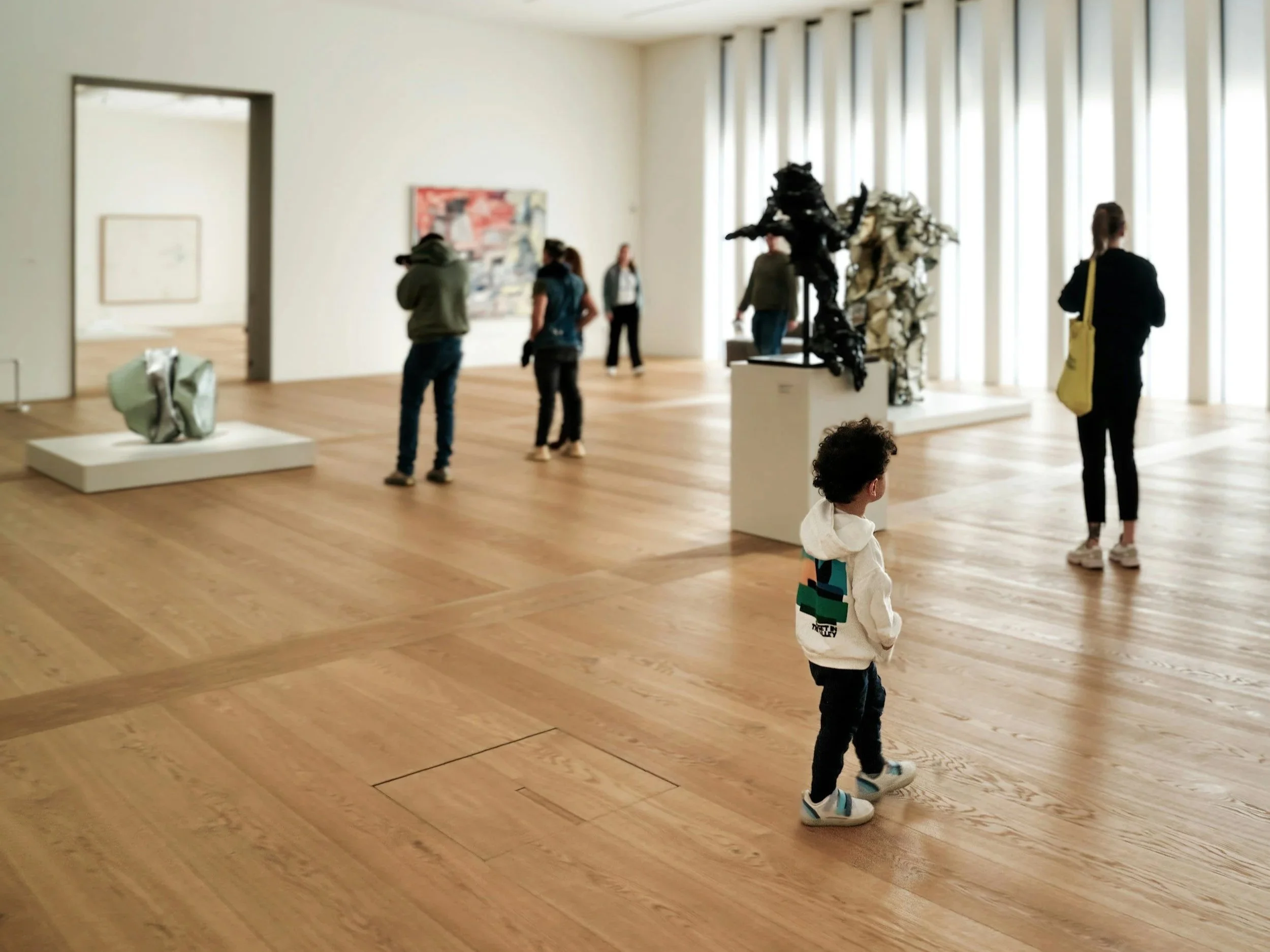
Lesson Plan: A History Of Beauty
Great Thinker's Challenge:
Compare various notions of beauty by comparing different historical eras. Think critically about the difference between true beauty and passing fads, as well as the role originality plays in definitions of beauty. Begin to form a definition of the characteristics that make something beautiful.
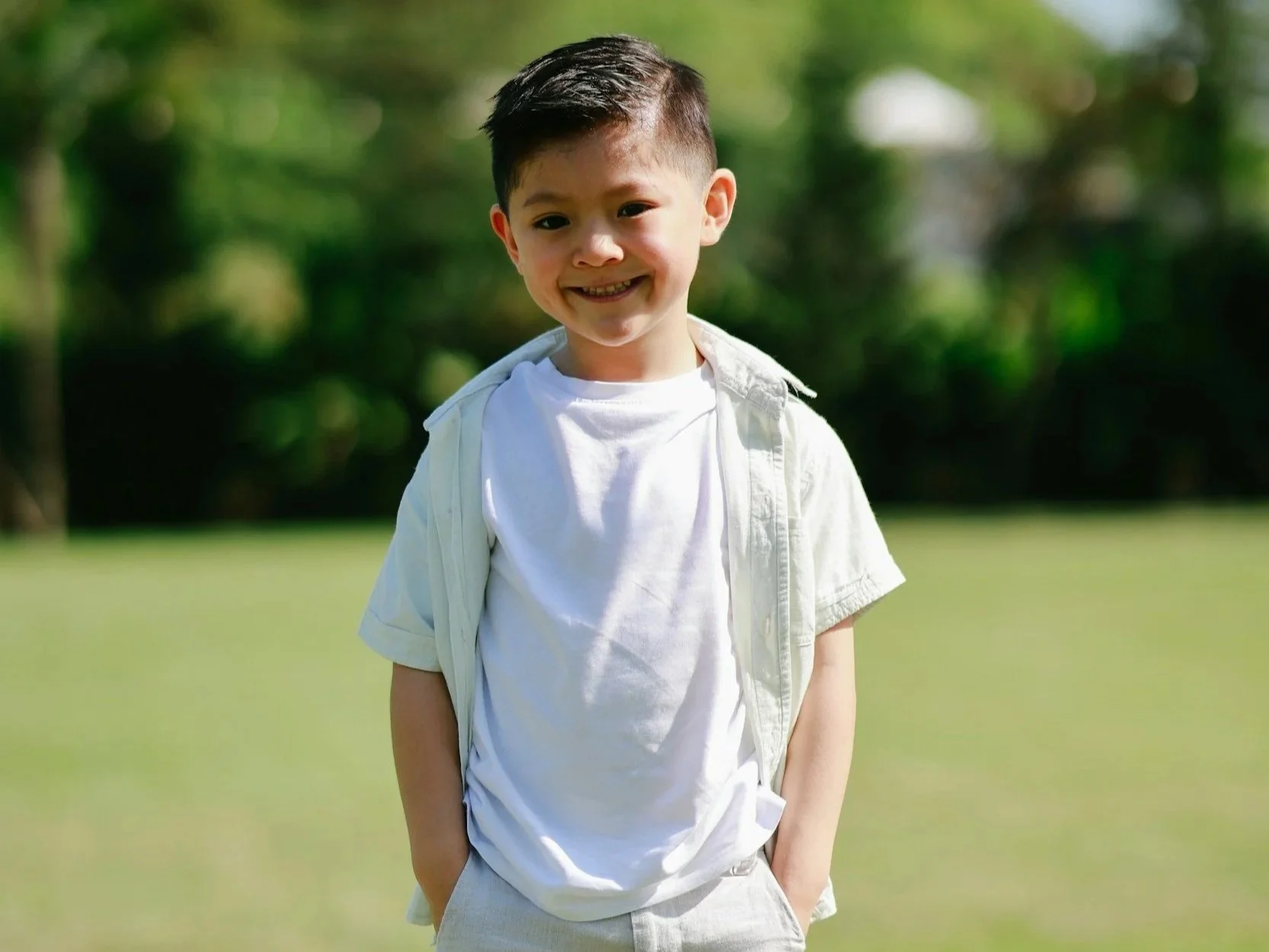
Lesson Plan: The T-Shirt
Great Thinker's Challenge:
Make personal connections to beauty by contrasting two views of what “looks good.” Think critically about the role of personal taste and popularity in theories of art and beauty. Begin to form a definition of the characteristics that make something beautiful.
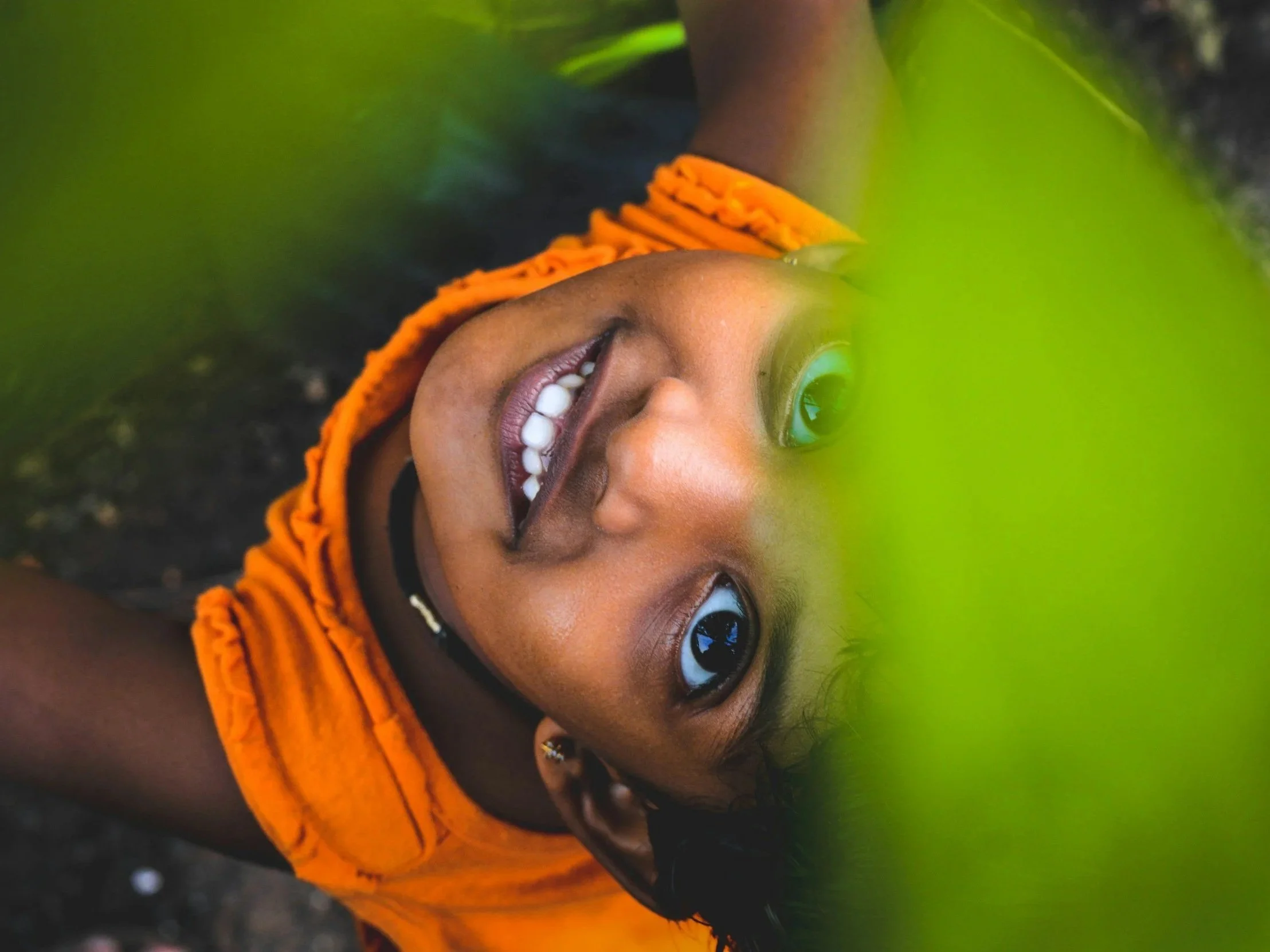
Lesson Plan: Beauty Is All Around Us
Go out into the local community to find beautiful things in your local environment. Look for beautiful things that exist in nature and beautiful things that are human-made. Consider what makes them beautiful and write an ode to an object.
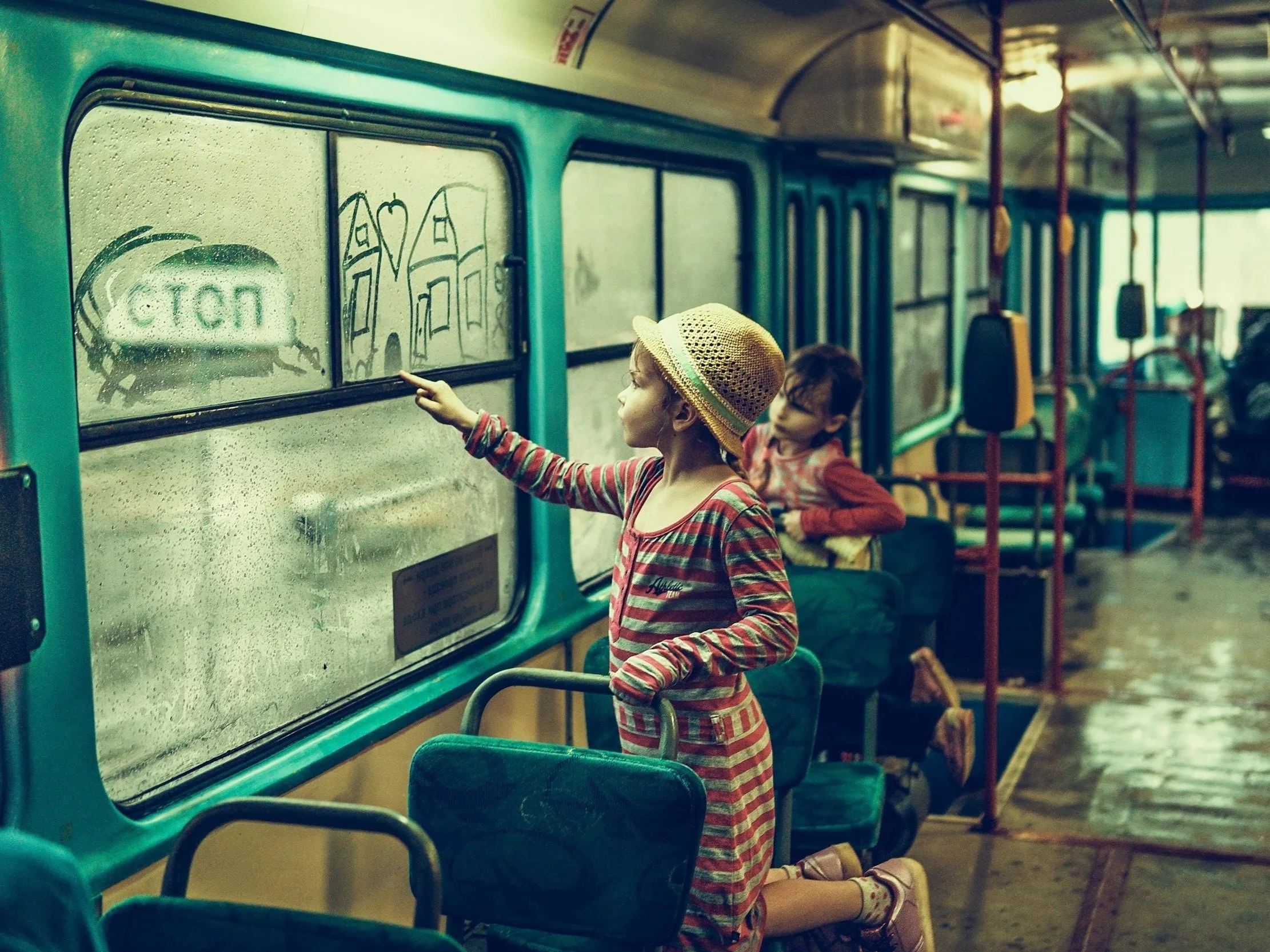
Lesson Plan: A Beautiful Place
Make personal connections to beauty by identifying a beautiful place and representing it visually. Think critically about what makes this place beautiful and create a second representation of this place without those characteristics. Begin to form a definition of the characteristics that make something beautiful.
Lesson Plan: Something To Say
Investigate local habitats, plants, or animals that are endangered or have been singled out for protection by people or organizations in the community. Think critically about whether they should be protected, and research what can and should be done in protection efforts.
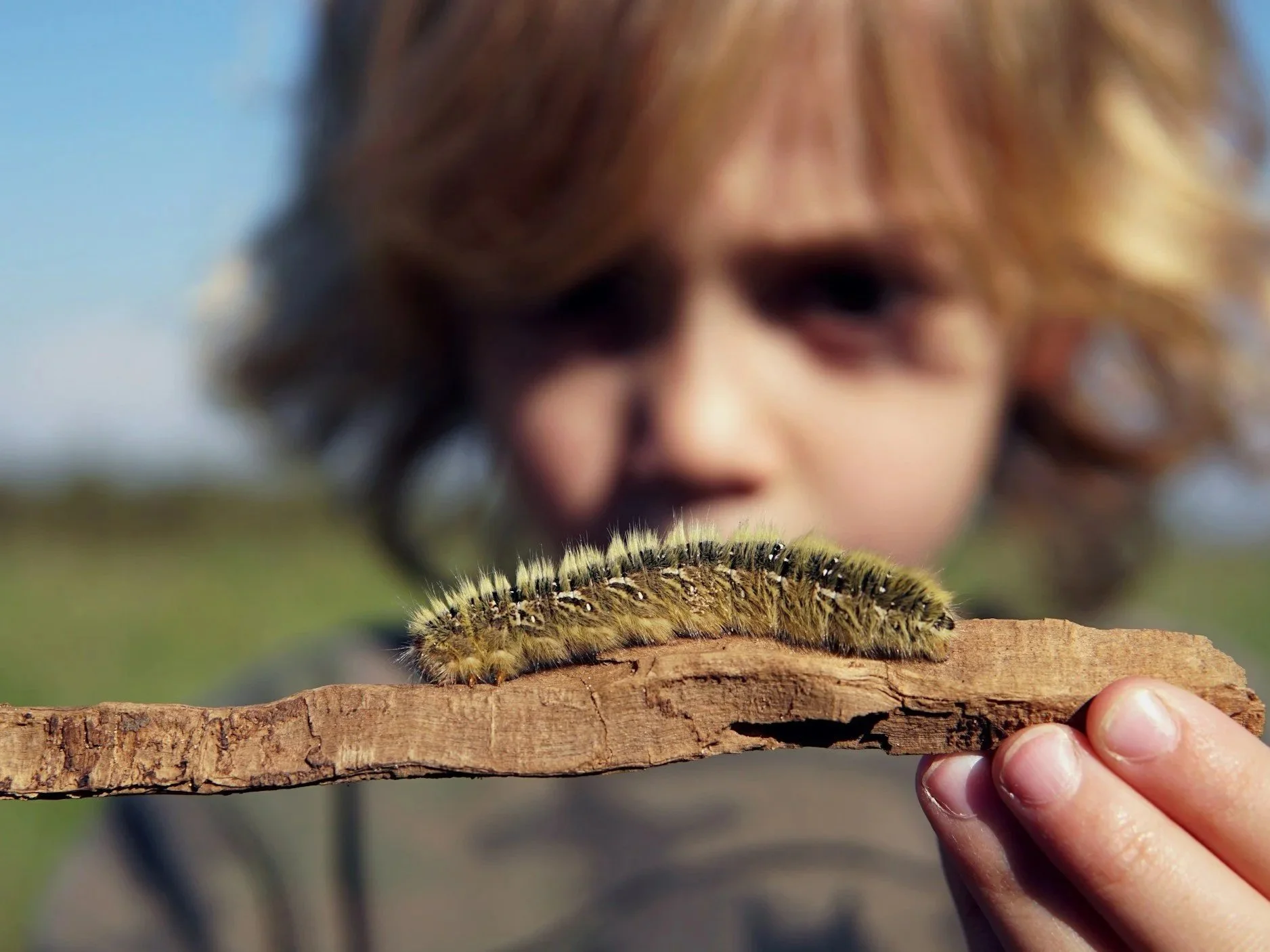
Lesson Plan: Connections
Create a web of connections between humans and other creatures/elements in the natural world. Brainstorm, organize, and connect living and non-living things according to the way they interact and depend on each other. Create a visual representation of these connections and reflect on the experience.

Lesson Plan: Close To Nature
Write a letter of advice to future generations on how to treat and interact with the natural world. Think critically about the way that people in the past used the natural world in their daily lives, and how it is used now. Form an opinion about parts of this relationship that need to change, and parts that should stay the same.
Lesson Plan: It’s Alive! Or Is It?
Think critically about things that exist in the world in which we live. Create a list of criteria to identify things that are alive, and things that are not. Discuss and debate the importance of living things and express an opinion about the importance of humans in relation to other living things.

Lesson Plan: Question Tree
Create a “living” list of questions about the environment, to be answered throughout the course of study. Assess questions for depth and complexity, and sort them accordingly on a Question Tree. Use the Question Tree to brainstorm, gather, and document questions as they are raised and addressed.