

Bring big questions into your classroom!
If you’re a teacher, a community leader, or a homeschool parent, you’ve landed in the right spot!
Cruise through our list of free, downloadable lesson plans that spans all kinds of topics, and interests. All of them make learning to think critically and philosophically fun!
Looking for something specific, like a curriculum subject or theme? Pop it into the search field, and you’ll find a variety of lessons, as well as helpful blog posts. Be sure to check out our “Just For Fun” activities, as well as our assessment and evaluation tools.
New stuff added all the time, so keep checking back!
Happy thinking!
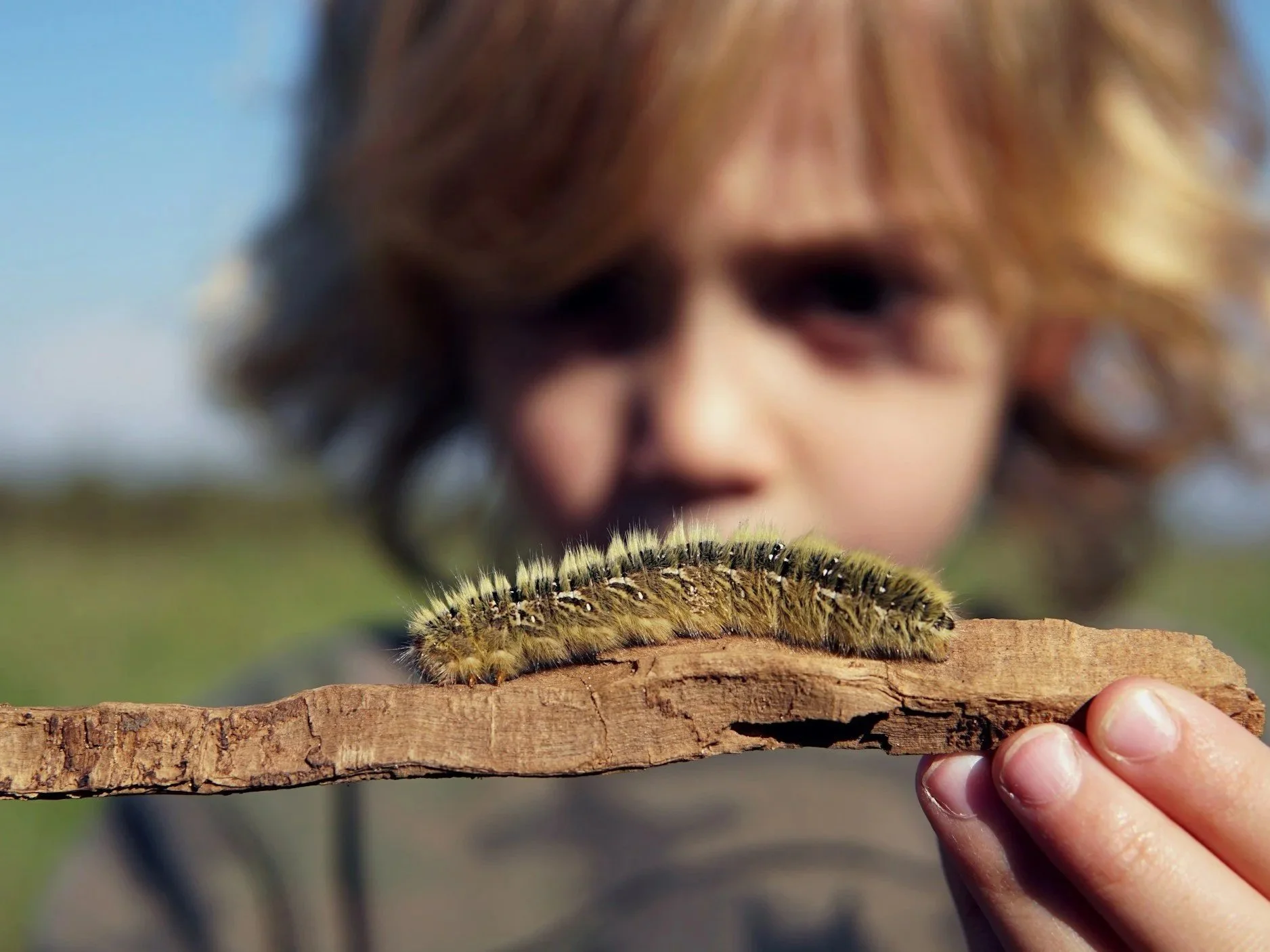
Lesson Plan: Connections
Create a web of connections between humans and other creatures/elements in the natural world. Brainstorm, organize, and connect living and non-living things according to the way they interact and depend on each other. Create a visual representation of these connections and reflect on the experience.

Lesson Plan: Close To Nature
Write a letter of advice to future generations on how to treat and interact with the natural world. Think critically about the way that people in the past used the natural world in their daily lives, and how it is used now. Form an opinion about parts of this relationship that need to change, and parts that should stay the same.

Lesson Plan: It’s Alive! Or Is It?
Think critically about things that exist in the world in which we live. Create a list of criteria to identify things that are alive, and things that are not. Discuss and debate the importance of living things and express an opinion about the importance of humans in relation to other living things.

Lesson Plan: Question Tree
Create a “living” list of questions about the environment, to be answered throughout the course of study. Assess questions for depth and complexity, and sort them accordingly on a Question Tree. Use the Question Tree to brainstorm, gather, and document questions as they are raised and addressed.
Just For Fun: Big Questions Cootie Catcher
Print, fold and play! This classic paper craft encourages learners to ask big questions!
Lesson Plan: How Do You Know?
Examine the difference between true and false by asking different kinds of questions. Analyze what is meant by “fact,” or “truth”.

Lesson Plan: Where Does Knowledge Come From?
Explore how knowledge and information are acquired, both with and without the five senses. Play with various “mystery” objects and substances and discuss how we turn initial impressions into observations.
Lesson Plan: TV Land Vs. The Real World
Understand the role of media in our everyday lives. Evaluate different media as sources of facts, by analyzing images and messages conveyed.
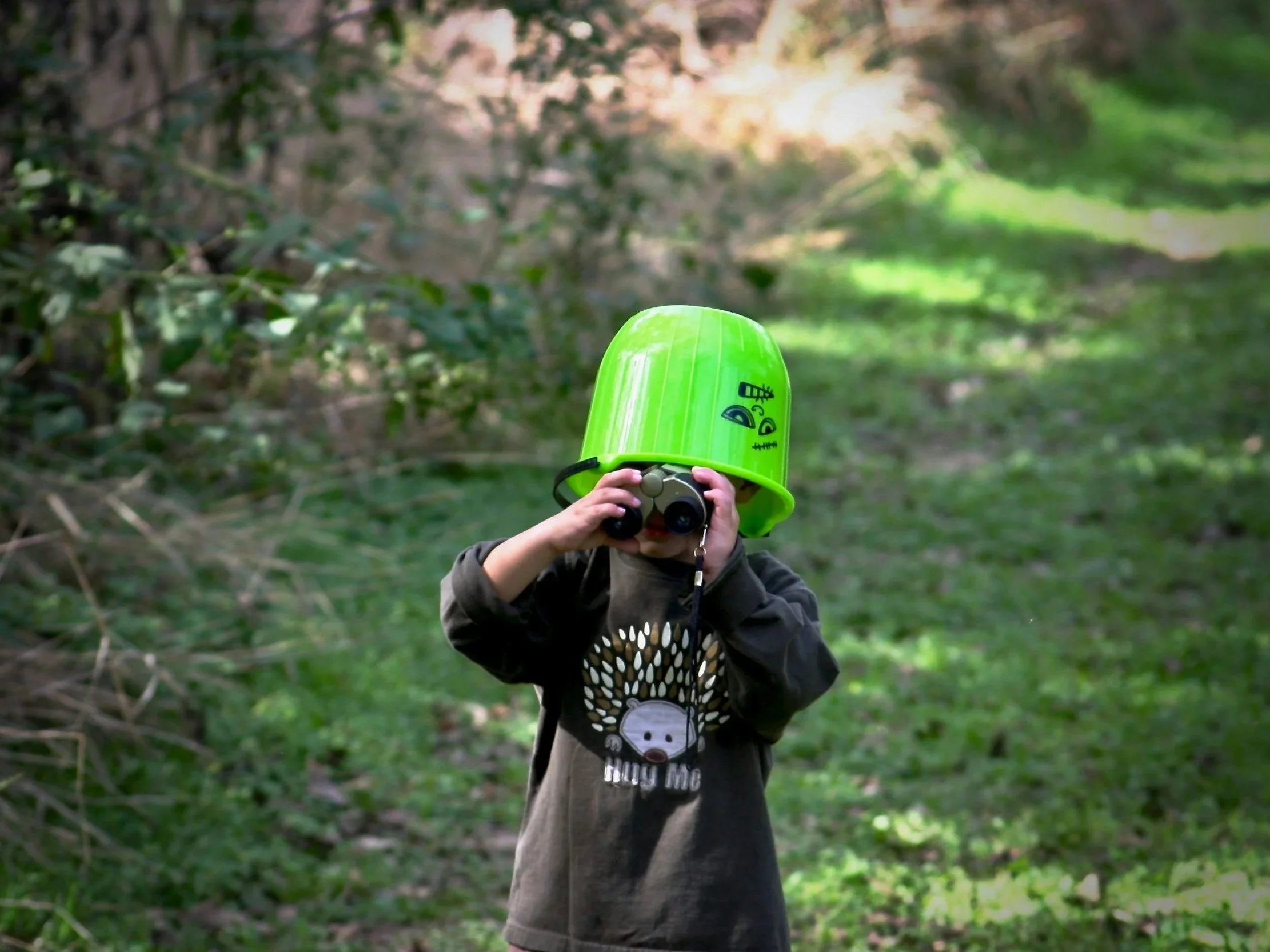
Lesson Plan: What Was That?
Examine how our senses can deceive us. Make connections between what our senses tell us and what is actually “out there”.
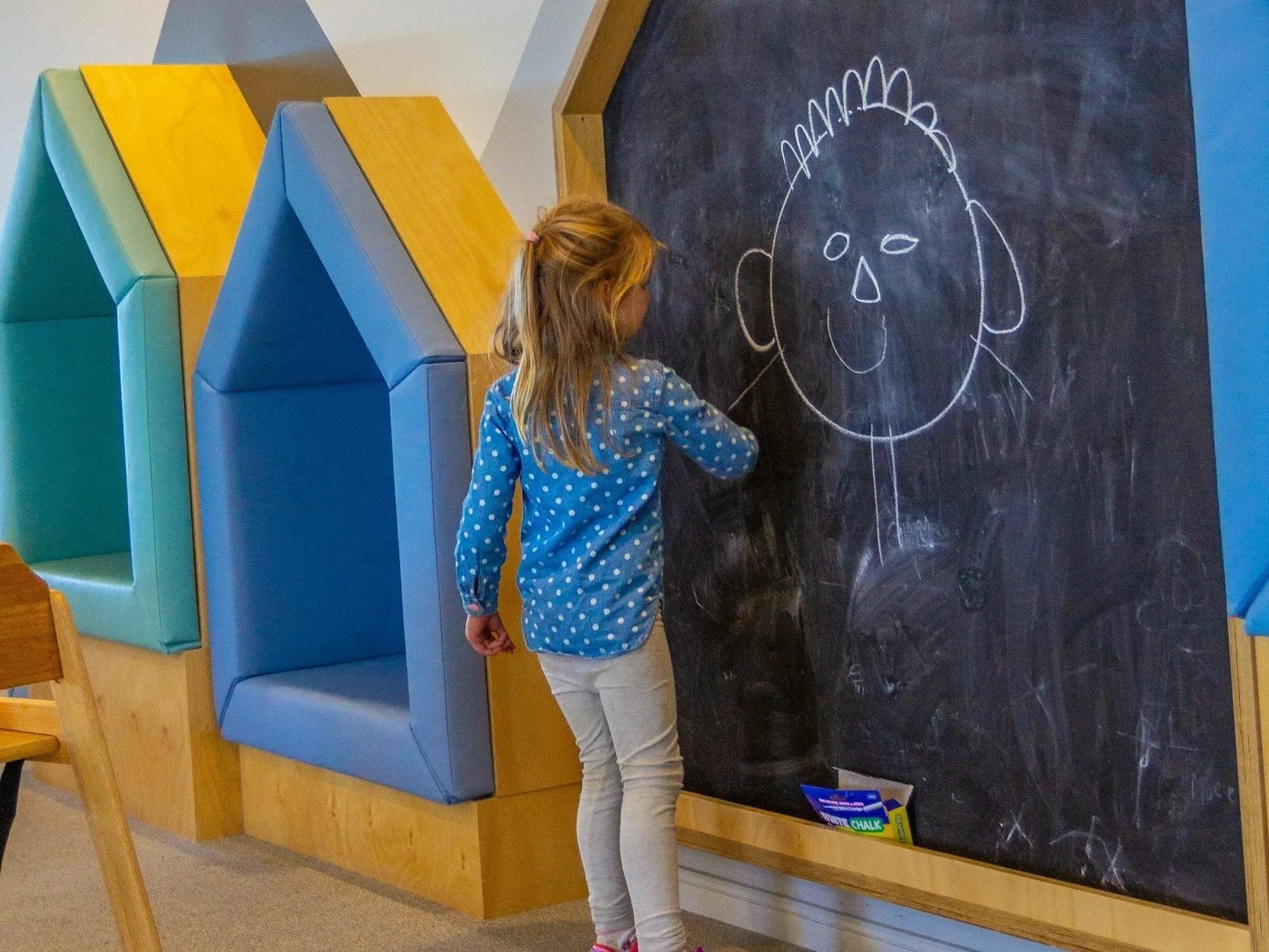
Lesson Plan: Do You Know What I Know?
Examine the connection between our senses and our physical environment by making observations and sharing experiences. Discuss the role our senses play in gathering information.

Just For Fun: Extra Robot Goodies!
This bundle includes a card game, a word jumble, a word search, a matching activity, and a colouring page!
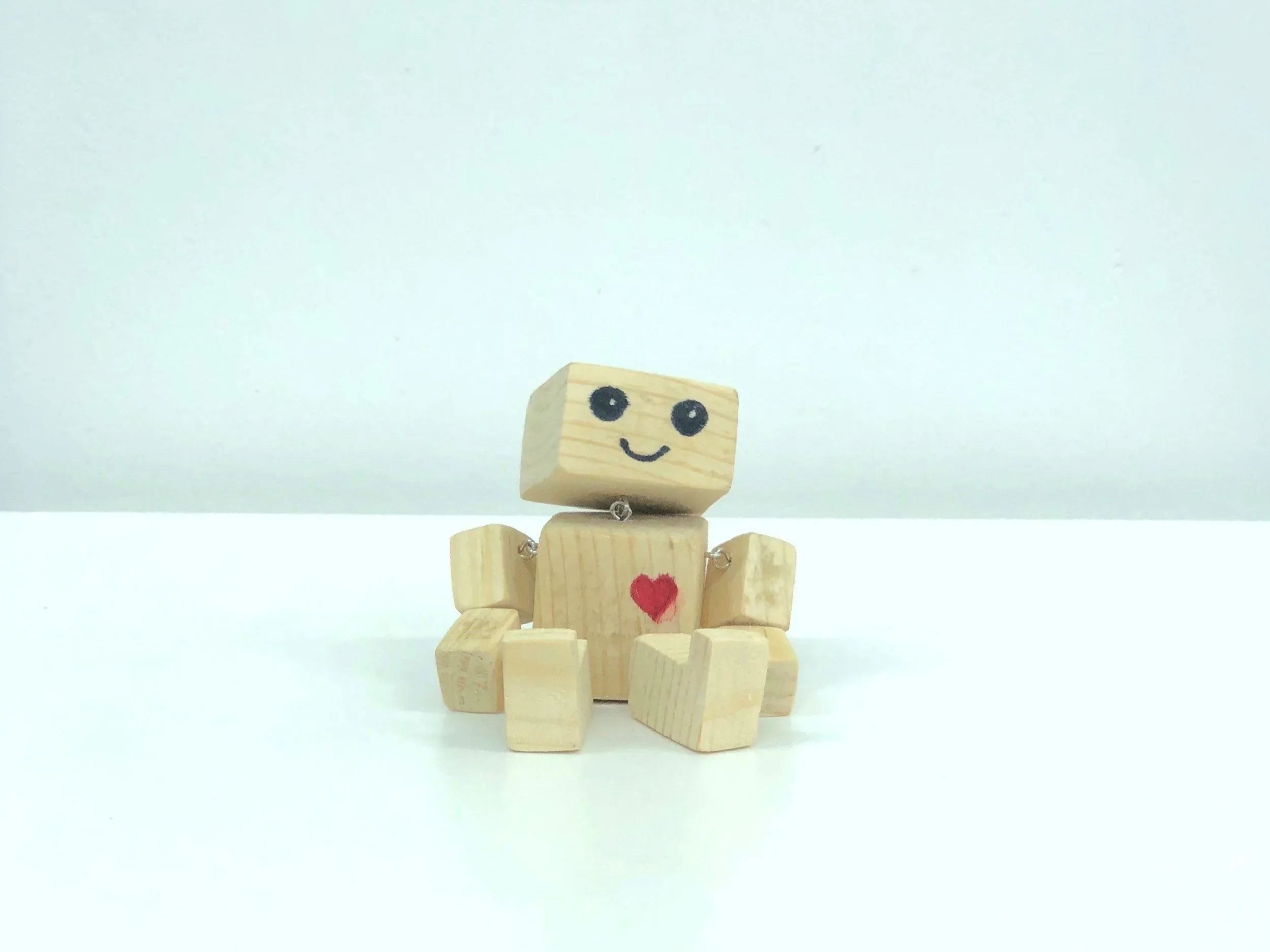
Lesson Plan: Bot Or Not?
Using a variety of materials, create collages with images of robots and non-robots. Compare and discuss images to create a definition of what makes a robot different from another device.
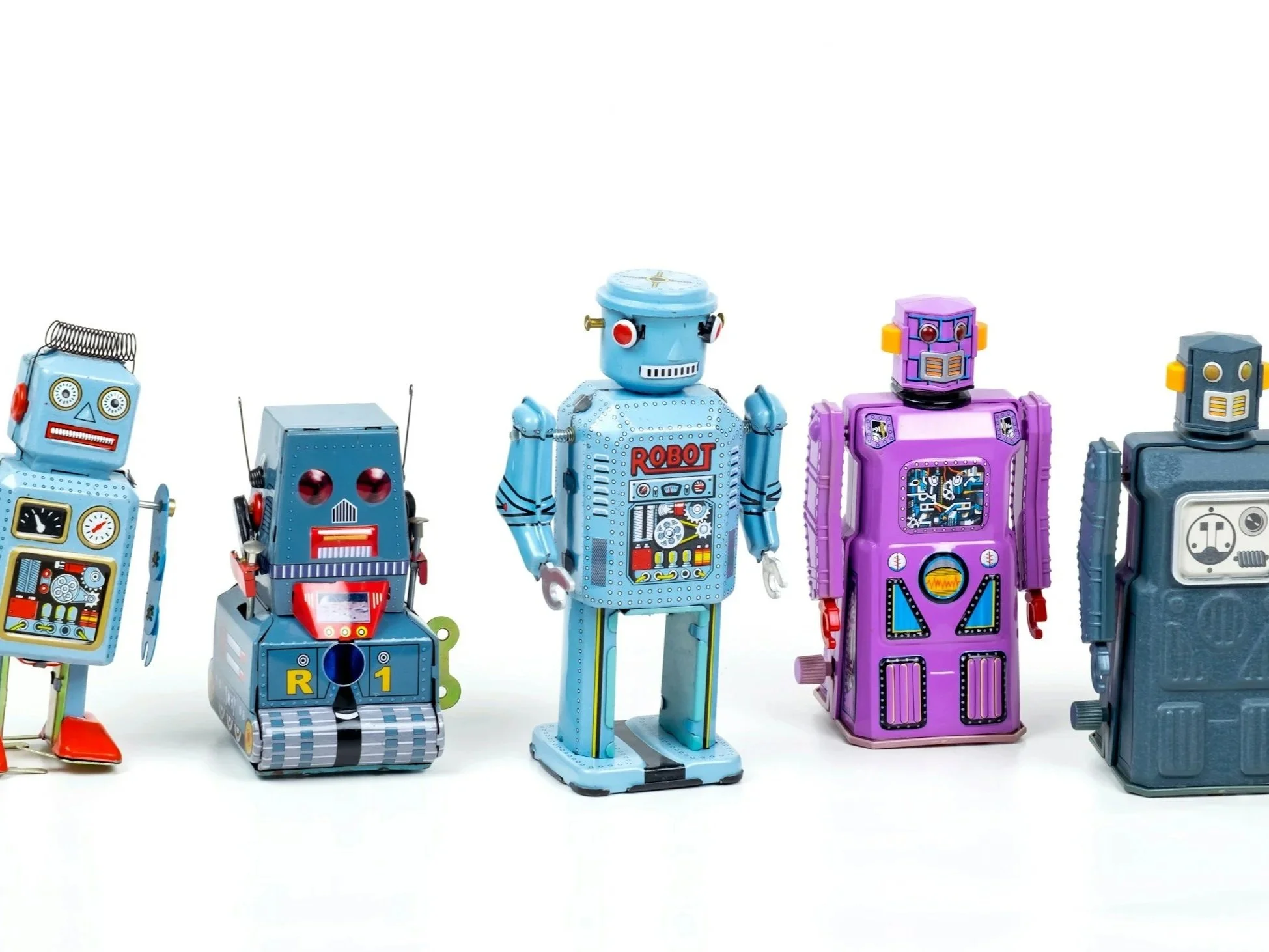
Lesson Plan: Robot Scavenger Hunt
Learn about the many different types of work robots can do, by finding examples in one’s classroom, home, and community. Begin to form a general definition of robots. Consider how robots of the future may be used in one’s community.
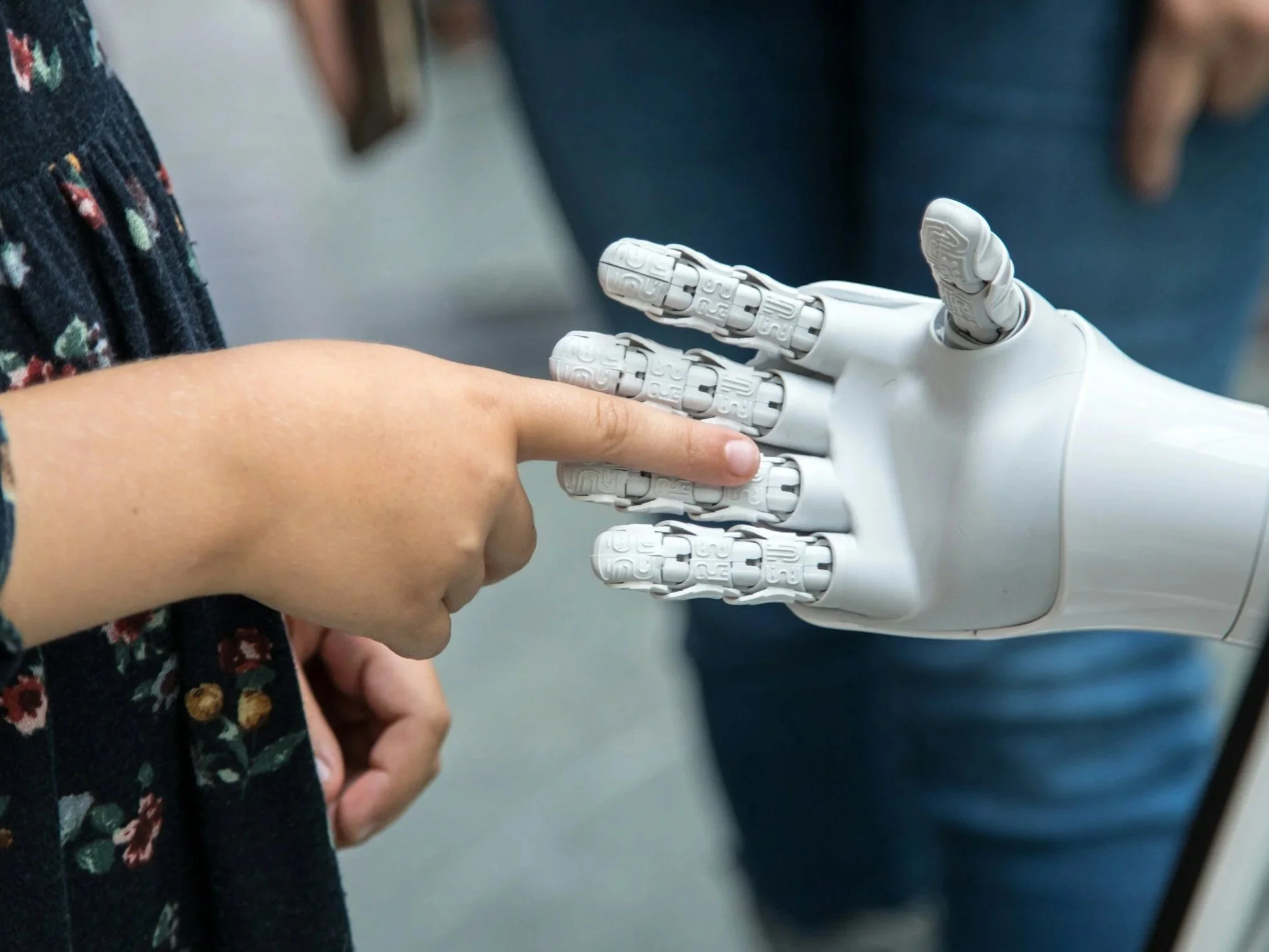
Lesson Plan: Anatomy Of A Robot
Identify important components of a robot by comparing them to human anatomy. Create a labelled diagram of a robot with explanations of its parts and their functions.
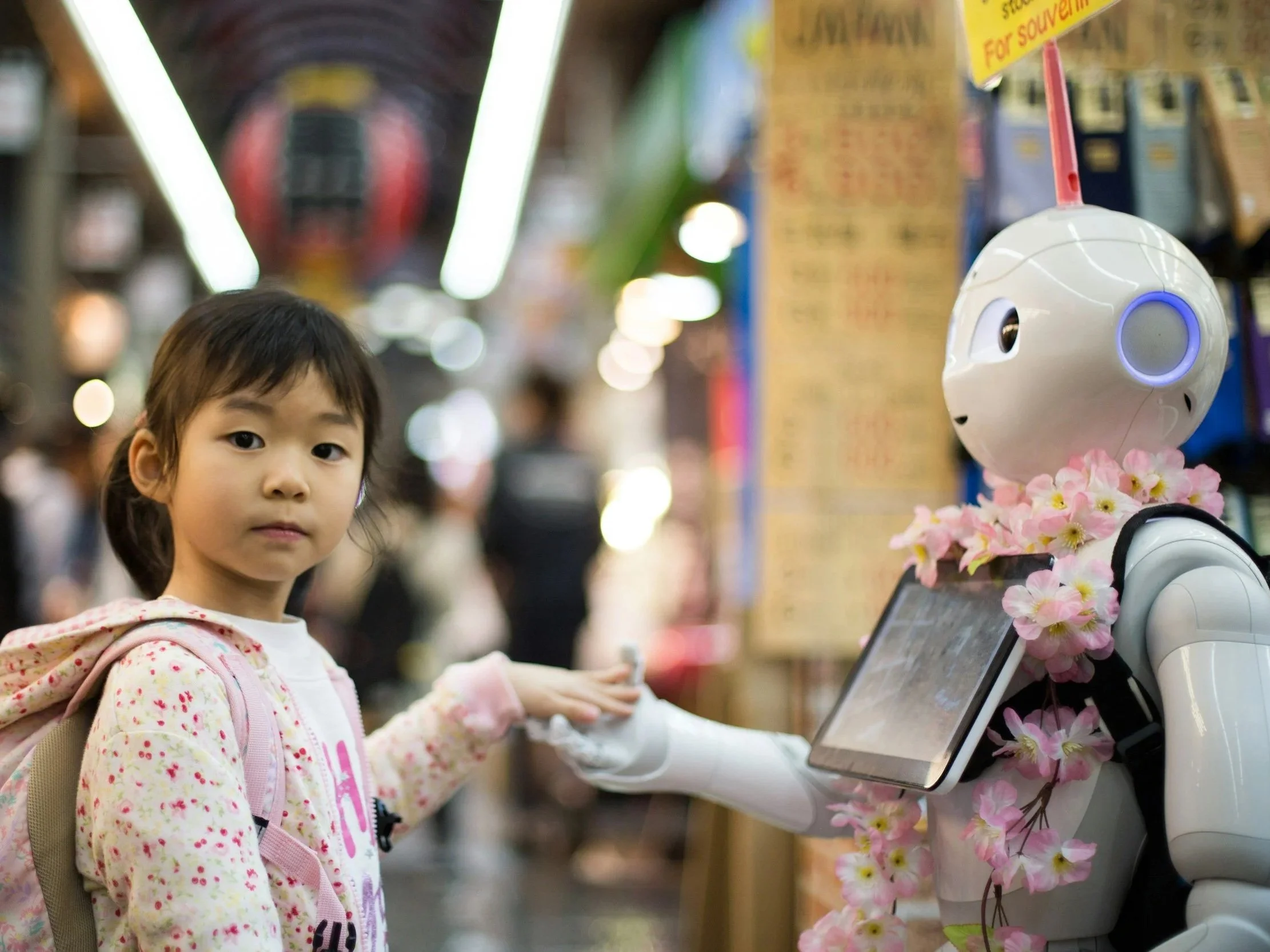
Lesson Plan: What’s A Bot To Do?
Distinguish between robots' abilities, and their uses. Think critically about the value of work done by robots, as well as the positive and negative impact this work has on daily life. Compile a list of guidelines for the creators of robots.
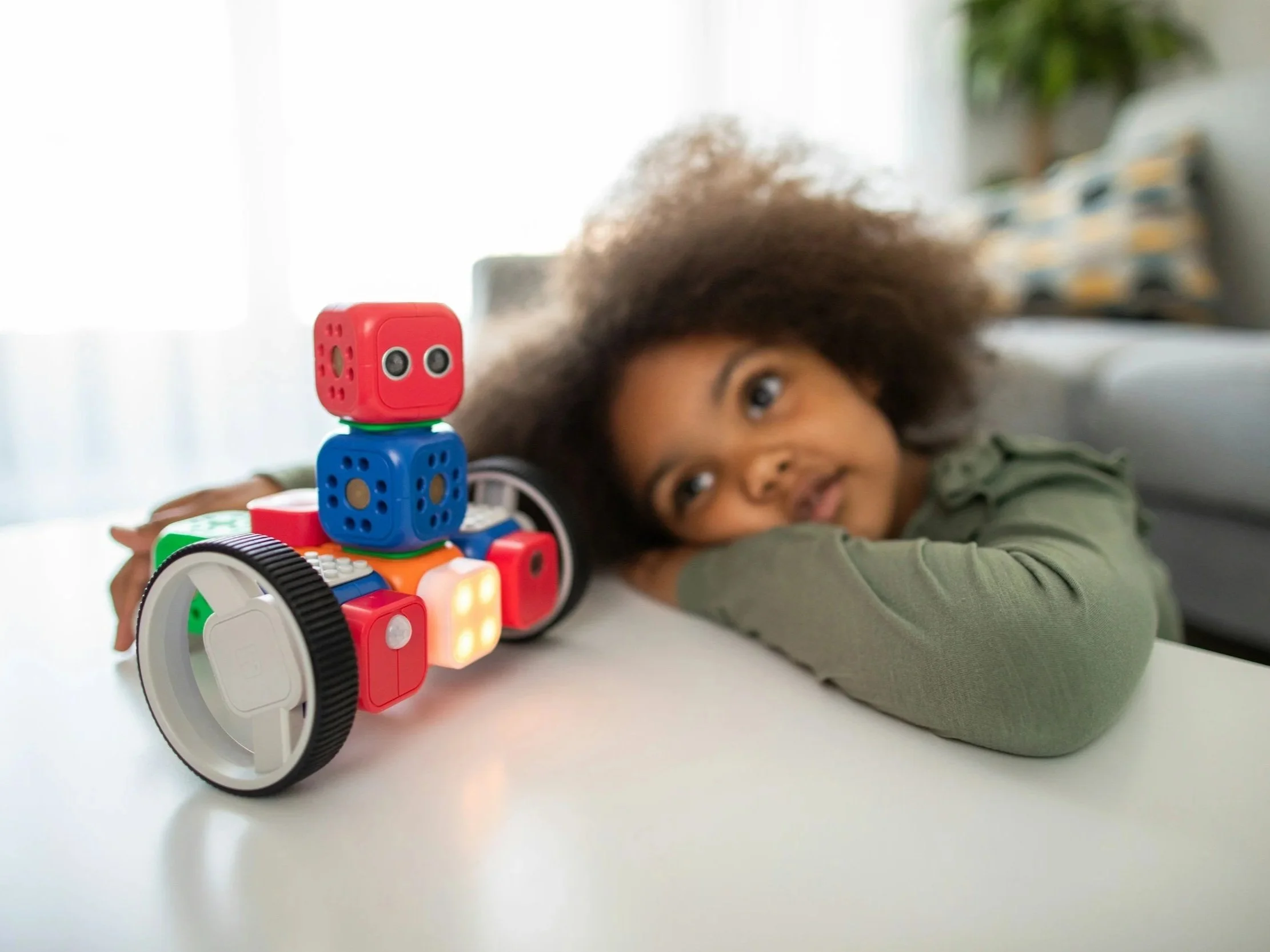
Lesson Plan: A Robot Is Born
Explore the components that make up a robot, as well as the process by which they are built and programmed. Using visual aids and narrative passages, tell the “life story” of a robot.

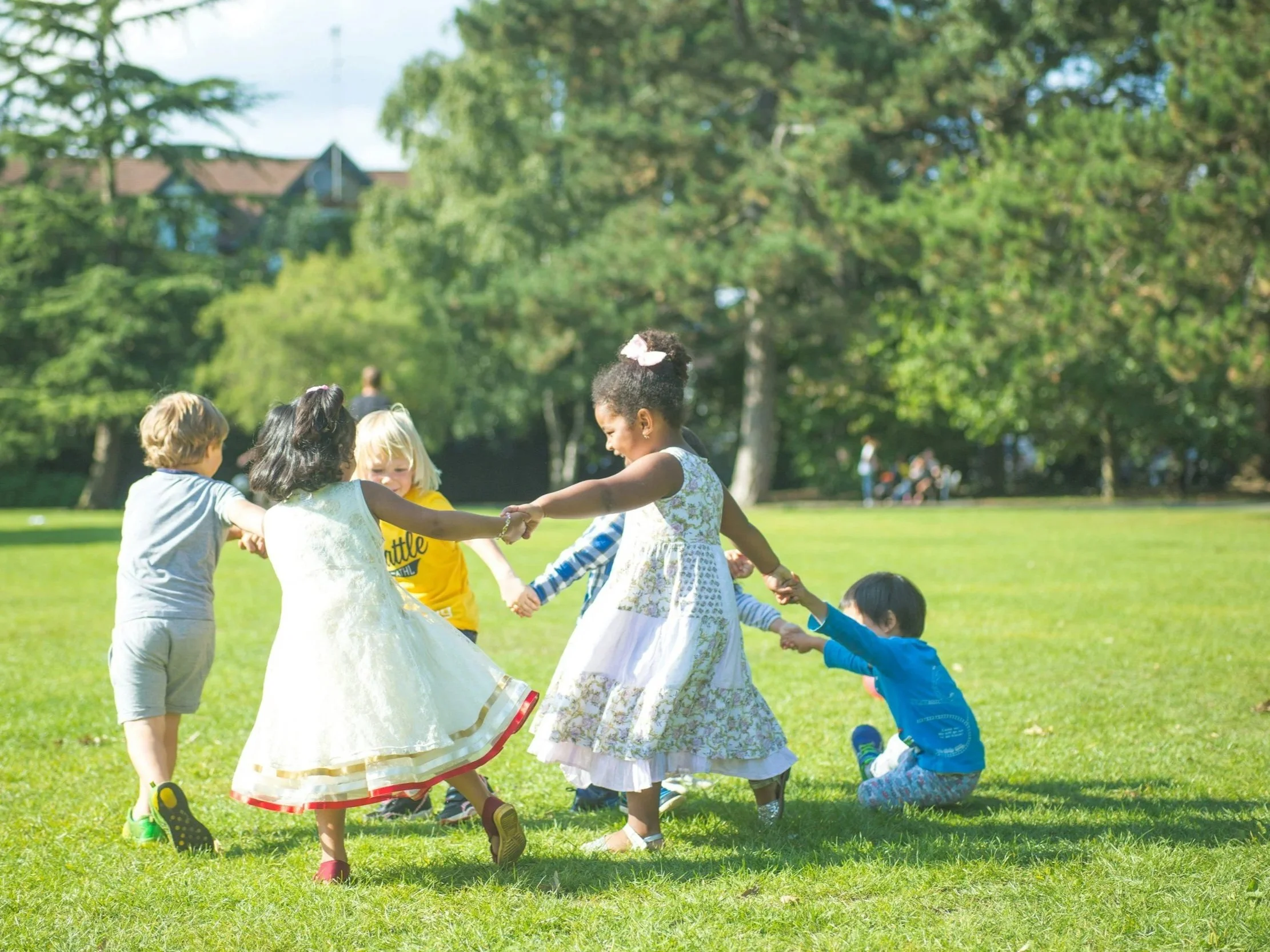
Lesson Plan: The Power Of Being Good
Examine and think critically about versions of “goodness” presented in the media. Explore the impact of advertising and how it is used to influence our decisions about right and wrong.
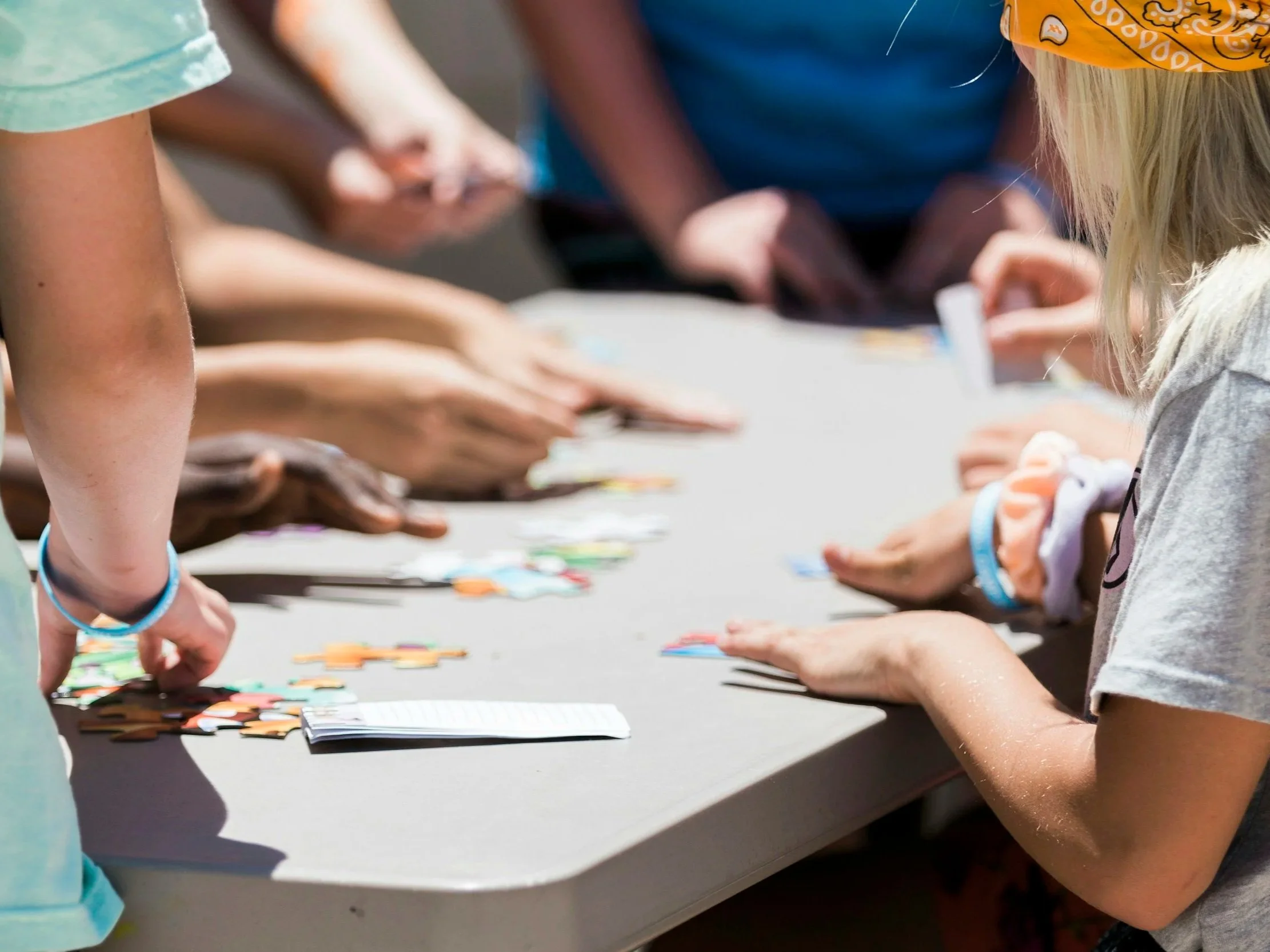
Lesson Plan: Rules For Some, And Rules For All
Examine the role of rules in our daily lives. Explore the impact of rules on family, the environment, and school. Think critically about the difference between rules for some and rules for all.