


Philosophy On A Walk
There are numerous studies on the vital role that physical movement and hands-on activities play in learning, especially with children. It’s also important to explore how being out and about, on a walk, can help build your child’s critical thinking skills and nurture their inner philosopher.
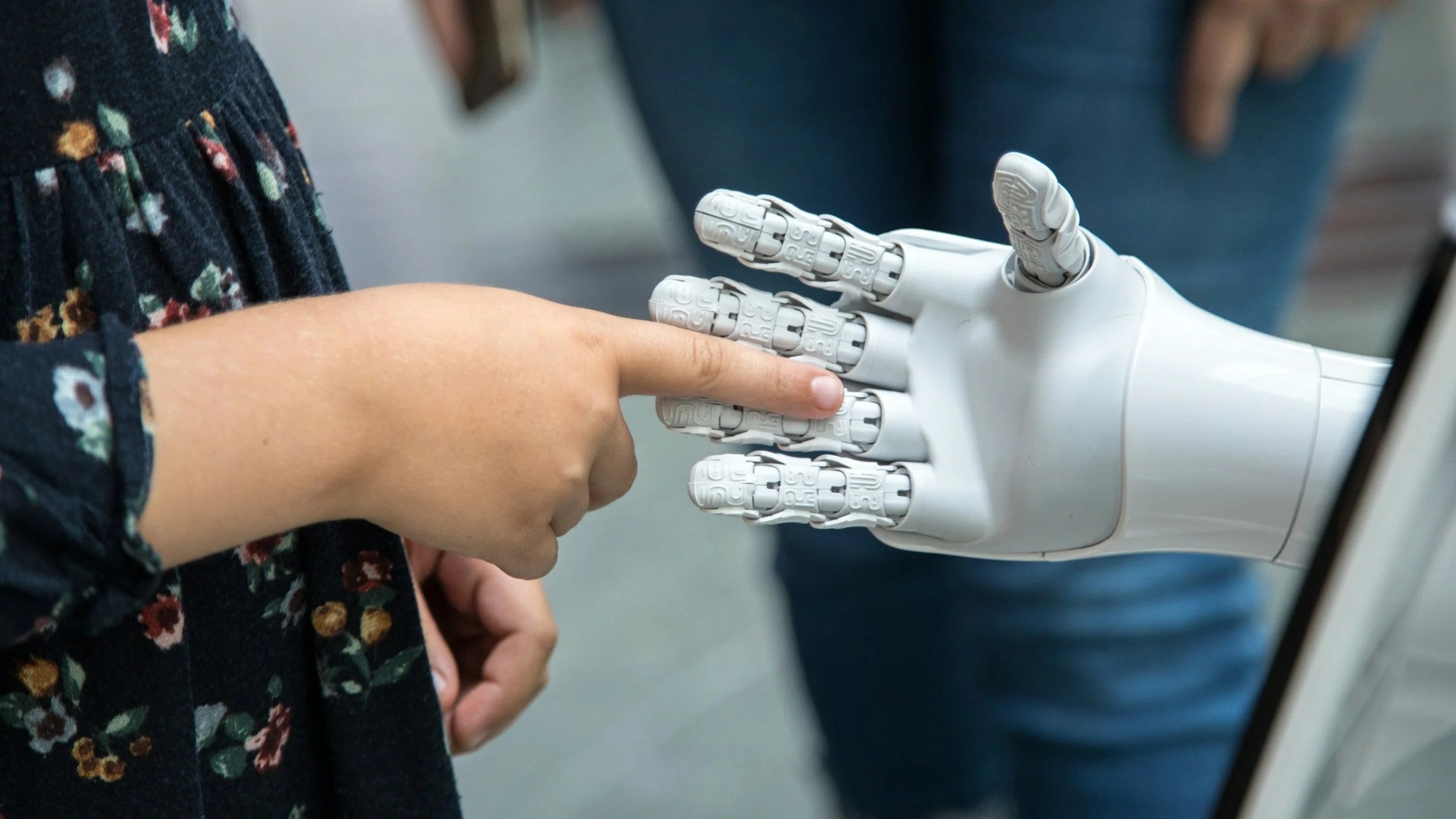
Featured Lesson Plan Bundle: Reasoning With Robots!
What do robots have to do with kids thinking critically and philosophically? More than you think, actually!
Featured Lesson Plan Bundle: Philosophy, Power, and Leadership
Our understanding of power, leadership, and related ideas such as justice, fairness, equality and equity, is built long before we’re old enough to vote or participate in politics.
Serious Is Good, But So Is Silly.
Is it okay to be playful, in light of all the serious things for which learners need to be prepared? Do “lighter” questions still have the same cognitive and moral impact, and are they still worth the effort?

Don’t Forget To Play!
By some estimations, what takes hundreds of repetitions through work only takes 10-20 through play in order to stick. Gamified learning is popular for a very good reason- it works! Let’s not forget how much more fun it is to play too!
A Trip To The (Lesson) Library
More than ever, we think it’s important to introduce little thinkers to the types of big questions that philosophy encourages. There are few more effective tools for a kid to have than critical thinking skills, and an awareness of self and others.
We also think it’s more important than ever to make it easy for big thinkers like teachers, parents, and community leaders to have effective (and fun) resources at their fingertips.

What Do Kids Think About Holidays?
In the shuffle, it’s very easy to forget to check in with our little thinkers to get their take on the merriment and festivities. In jumping in with both feet, are we missing an opportunity to develop their thinking skills and get a bird’s eye view of what’s going on in their minds?
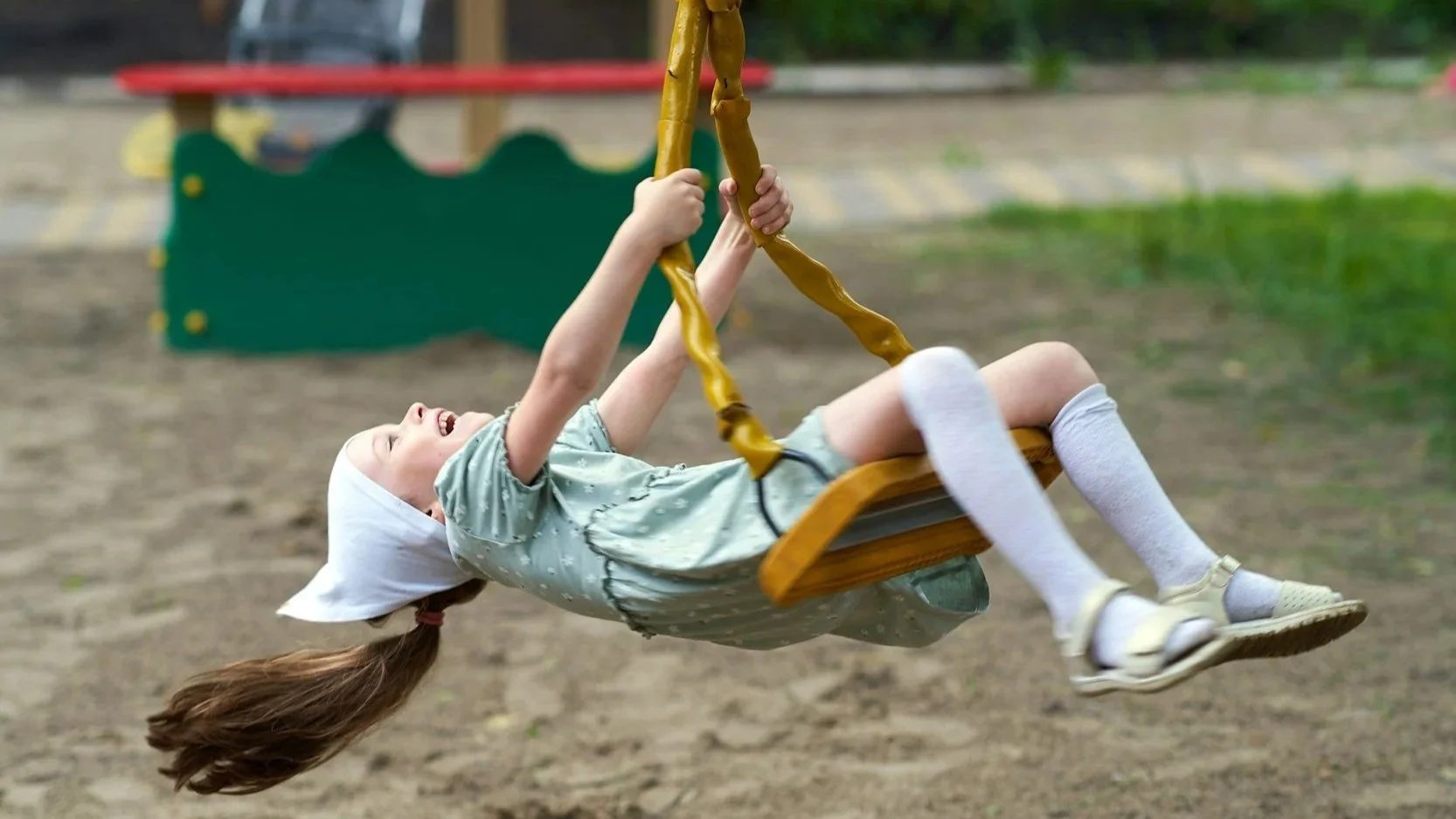
On The Importance Of Play In Children’s Philosophy
We start to believe that in order to get anything important done, to learn anything of consequence, we have to be serious about it. There are so many ways for a child to learn philosophy through play, and so many reasons why philosophy needs to be an integral part of a child’s learning.

Is There Such Thing As A Picky Thinker?
Some will jump in with both feet and gobble up big questions without hesitation. Others will be kind of “meh” about it, and need a nudge here and there. In the latter case, it’s easy to get frustrated and discouraged, but there are several things to keep in mind while you try to encourage a child’s taste for critical thinking

Monstrously Cool Big Questions For Halloween
Spooky season is at hand, and like most holidays, it’s a wonderful opportunity to build some thinking skills and have some fun with big questions. While you’re decorating, putting together costumes, and stocking up on treats, why not throw a few brilliant discussions into the mix?
5 Reasons To Be Thankful For Little Thinkers
We have so many reasons to be grateful for engaged parents, supportive teachers, enriching communities, and for our own creative team. It takes a village to raise amazing thinkers, and we’re very lucky to have such a big one. However, if we’re in the midst of being thankful, we also need to include kids themselves on our list.
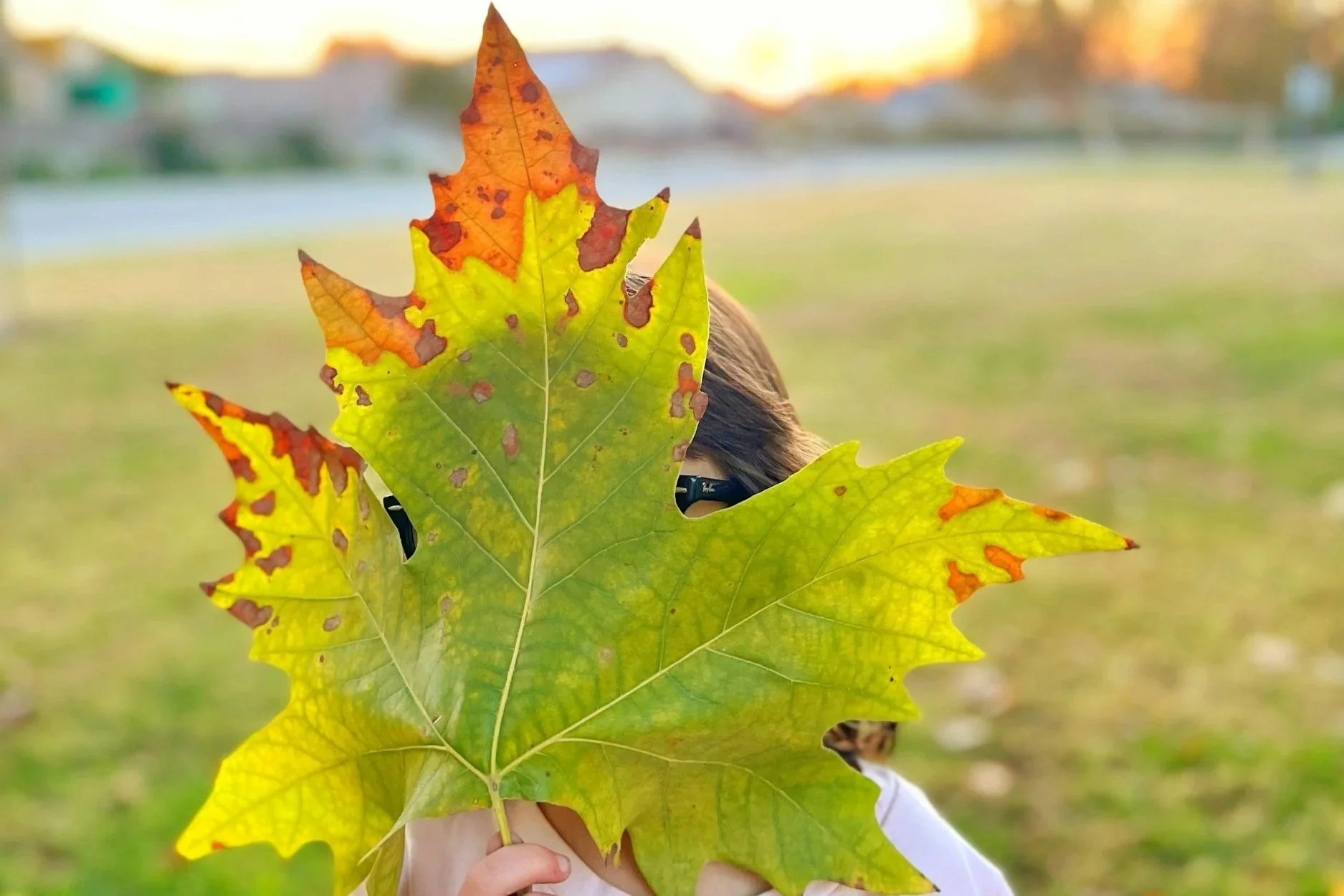
Thinking Big This Fall!
Fall is just around the corner, and in some areas, thinkers are already seeing things starting to change. Temperatures are cooling, leaves are falling, and plants and animals are making changes themselves. All of this presents the perfect opportunity to harvest a little bit of critical thinking and great conversation with young minds.
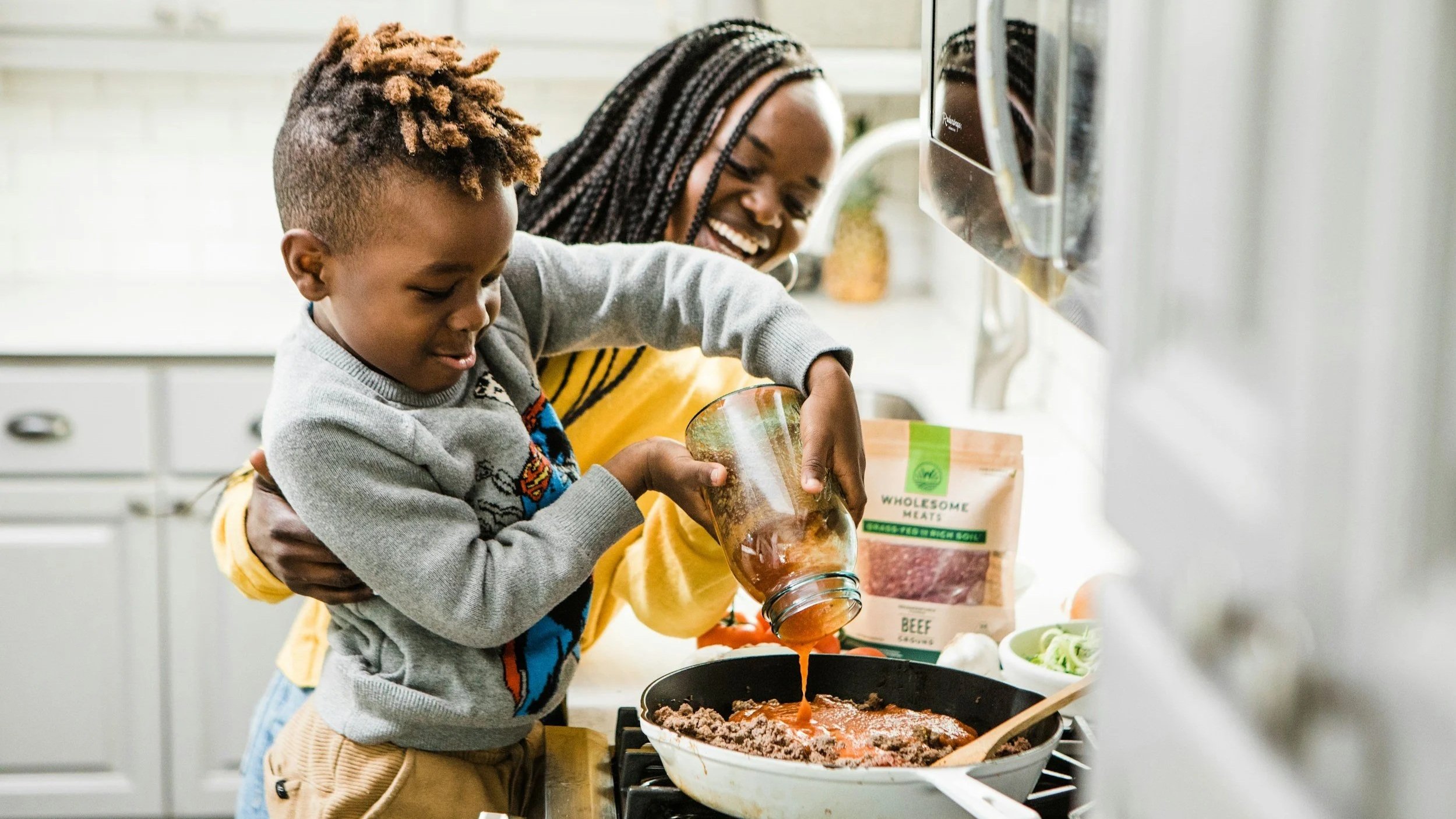
Young Philosophers in the Kitchen
We’re always saying that philosophy with kids can happen anywhere, anytime, and that includes in the kitchen. Food is such a universal topic, an expression of culture that crosses age brackets. It’s also a tasty way into critical thinking with little young minds.
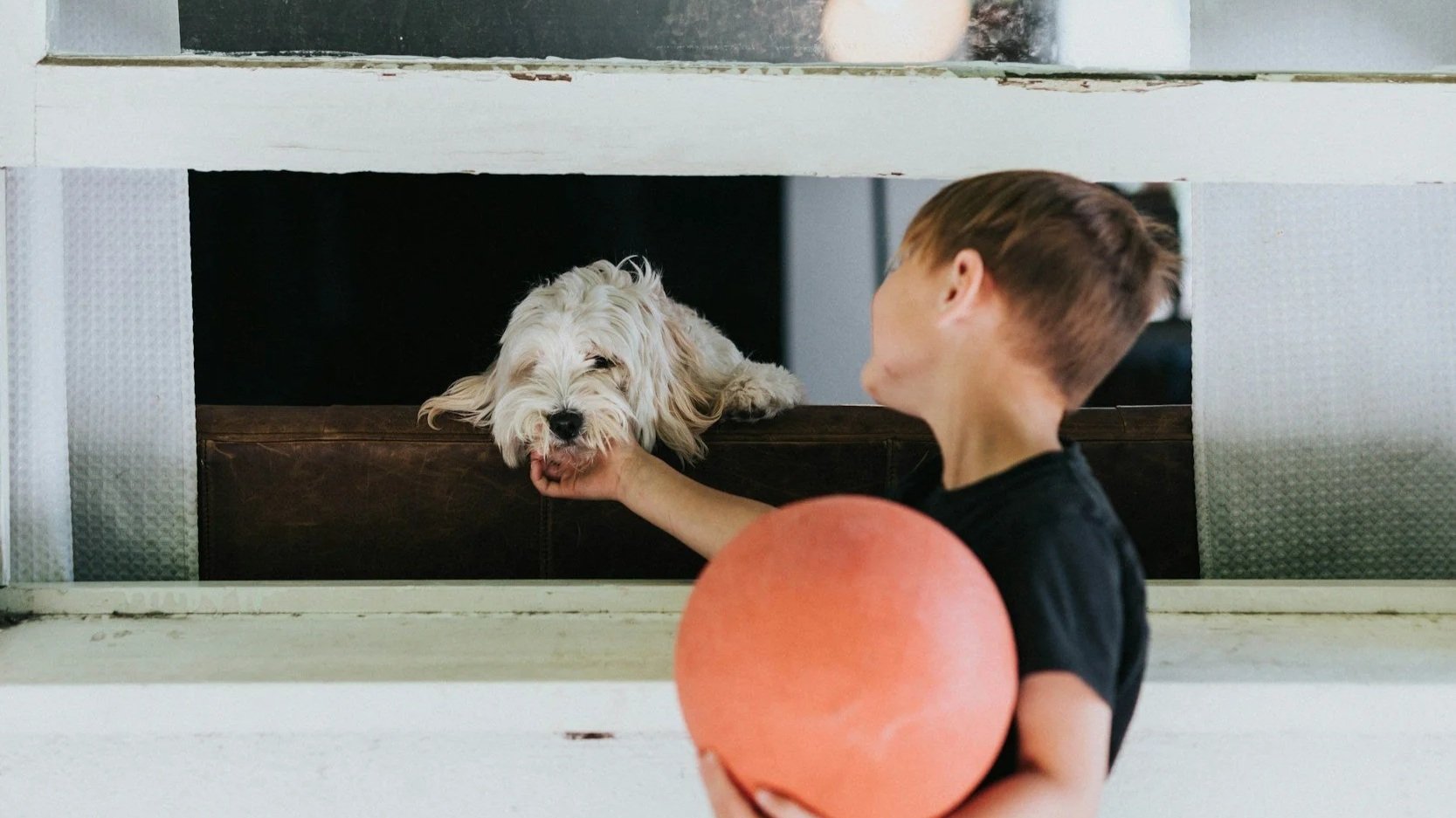
How Family Pets Can Help A Kid With Critical Thinking
Our animal companions are more than just cold noses, bright eyes, and wiggly tails. They’re a source of inspiration for some pretty fantastic conversations!
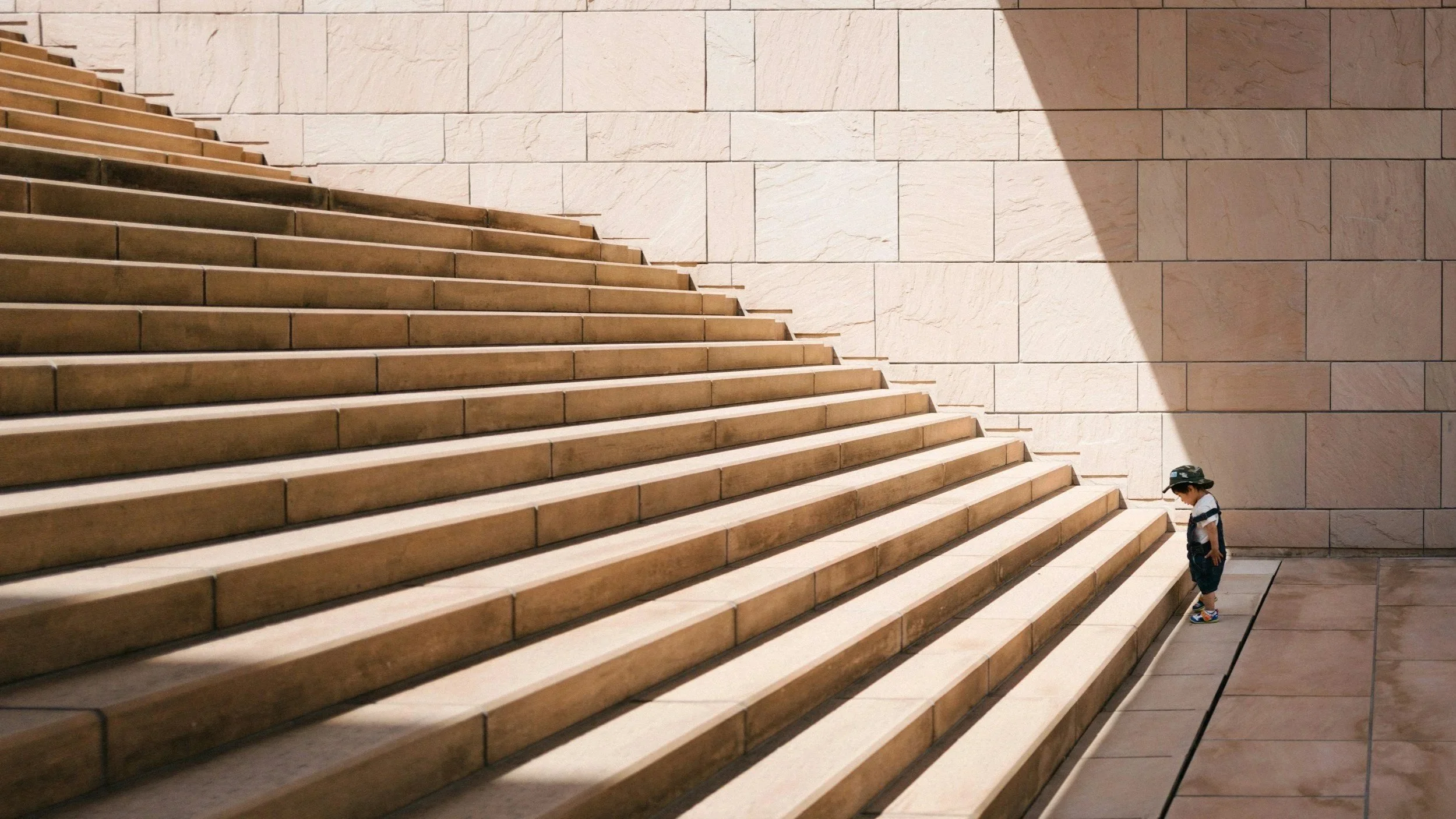
In Times Like These, Where Do I Start?
It’s a tall order, isn’t it, to not only keep kids safe and healthy, but also encourage awareness and dialogue? Where do we start? What do we do first, especially when we as parents are also overwhelmed with all the world has for us right now? Don’t we want to get this right, so that our kids have the best chance possible?
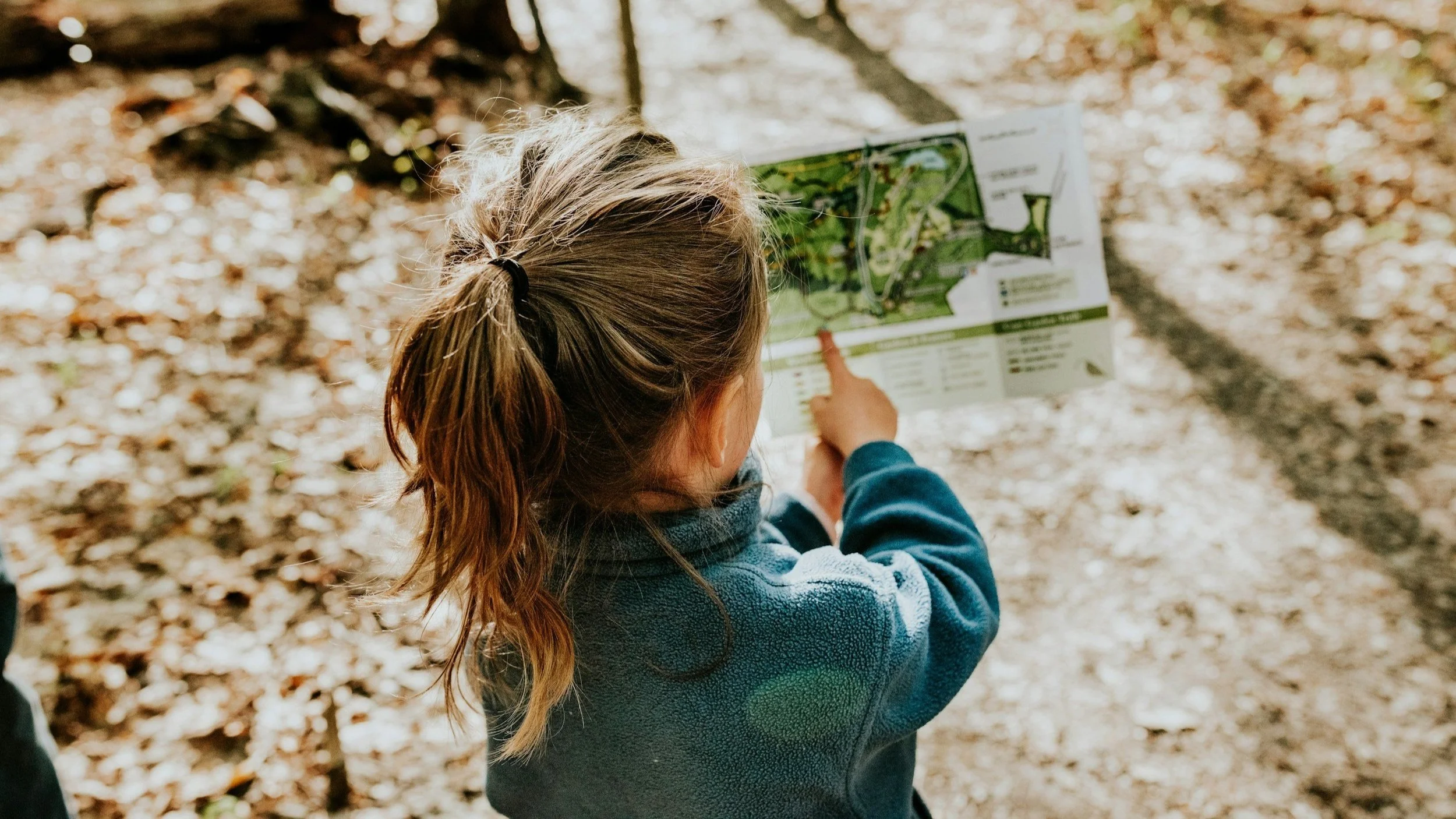
What’s New This Spring and Summer?
Hands up if you and your little thinker have emerged from hibernation, scraped off the frost, and are now ready for some big ideas and big fun!

Are You Happy With Your Happiness?
It seems like such a simple thing to want for a kid, but it’s extraordinarily difficult to maintain, even in the best of times, for both our kids and ourselves. It goes without saying that these are not the best of times.
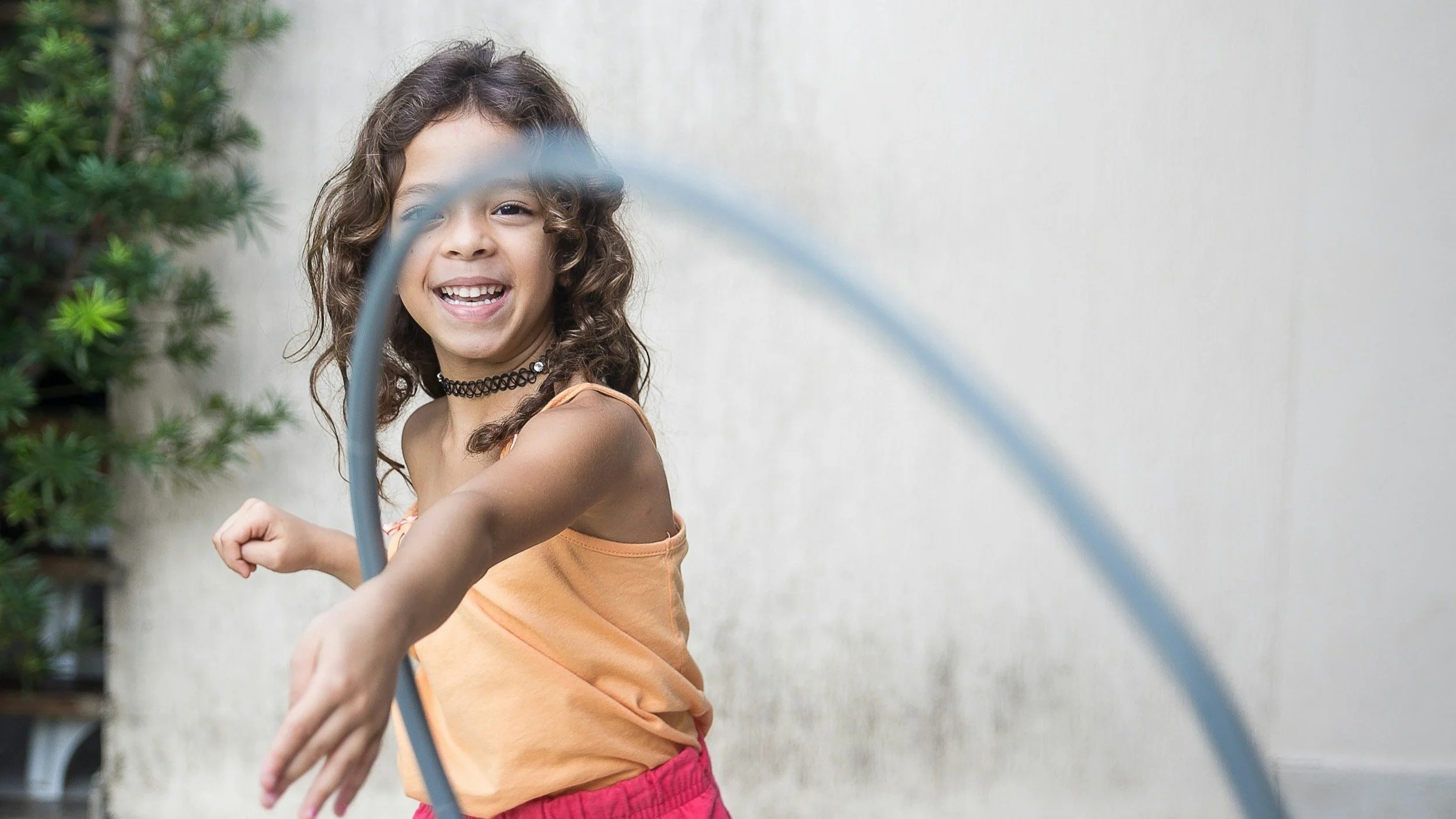
The (Not So) Serious Business of Philosophy With Kids
“Philosophy” seems like a big, serious word for a big, serious practice, with all kinds of emotional and intellectual baggage attached. Even just the mention of it intimidates a lot of adults, conjuring images of ancient thinkers in togas, or academics with furrowed brows. Philosophy feels like something deep, cerebral, and even tiring.
And maybe it is…for adults.

Pop or Simmer? Two Ways To Learn
How does your little thinker learn? It’s tempting to focus on what they’re learning, but have you ever really watched to see how their mind works, how their personality mingles with the way they study the world around them?
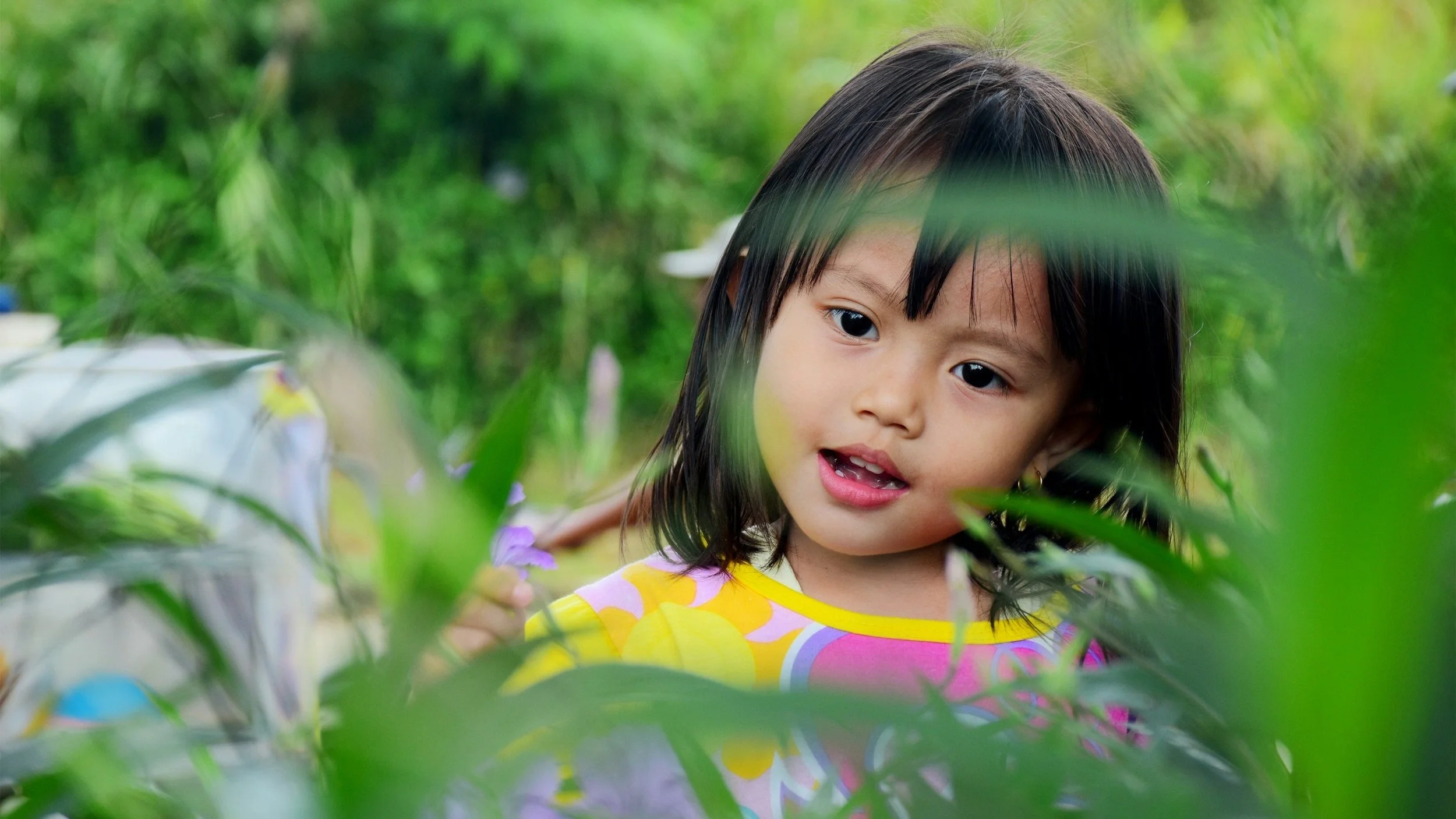
Kids, Plants, and Big Questions
Even tiny wee kids have big thoughts about plants and trees, and there’s certainly no lack of inspiration to be found in their surroundings. Encourage your little thinker to branch out with their ideas, and you won’t be-leaf how your conversations with them will blossom.