

Serious Is Good, But So Is Silly.
Is it okay to be playful, in light of all the serious things for which learners need to be prepared? Do “lighter” questions still have the same cognitive and moral impact, and are they still worth the effort?

What Do Kids Think About Holidays?
In the shuffle, it’s very easy to forget to check in with our little thinkers to get their take on the merriment and festivities. In jumping in with both feet, are we missing an opportunity to develop their thinking skills and get a bird’s eye view of what’s going on in their minds?
On The Importance Of Play In Children’s Philosophy
We start to believe that in order to get anything important done, to learn anything of consequence, we have to be serious about it. There are so many ways for a child to learn philosophy through play, and so many reasons why philosophy needs to be an integral part of a child’s learning.

Is There Such Thing As A Picky Thinker?
Some will jump in with both feet and gobble up big questions without hesitation. Others will be kind of “meh” about it, and need a nudge here and there. In the latter case, it’s easy to get frustrated and discouraged, but there are several things to keep in mind while you try to encourage a child’s taste for critical thinking
Thinking Big This Fall!
Fall is just around the corner, and in some areas, thinkers are already seeing things starting to change. Temperatures are cooling, leaves are falling, and plants and animals are making changes themselves. All of this presents the perfect opportunity to harvest a little bit of critical thinking and great conversation with young minds.
Young Philosophers in the Kitchen
We’re always saying that philosophy with kids can happen anywhere, anytime, and that includes in the kitchen. Food is such a universal topic, an expression of culture that crosses age brackets. It’s also a tasty way into critical thinking with little young minds.
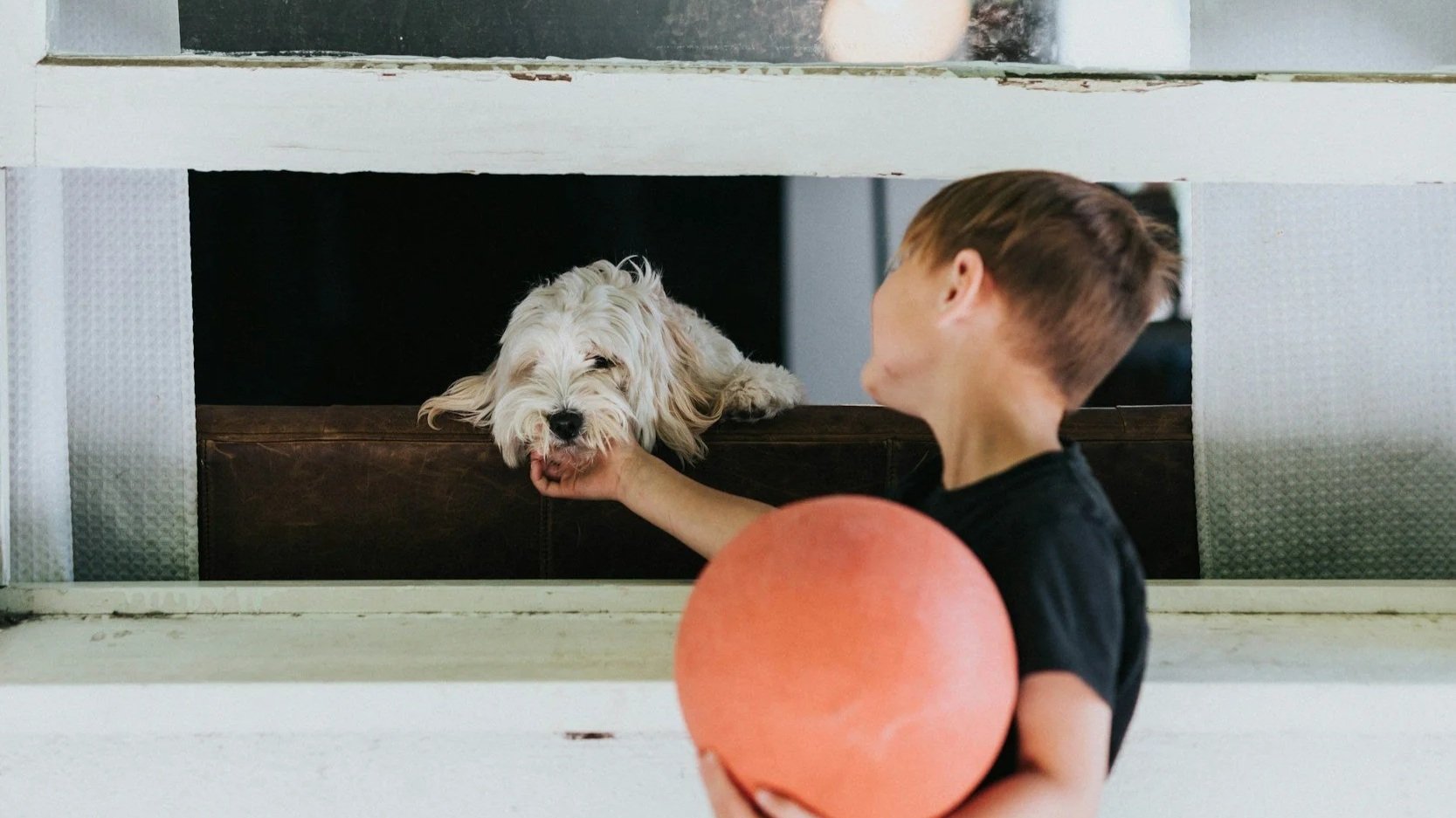
How Family Pets Can Help A Kid With Critical Thinking
Our animal companions are more than just cold noses, bright eyes, and wiggly tails. They’re a source of inspiration for some pretty fantastic conversations!
How To Ride the Wave of Big Questions
Kids are built to ask, and a joyful, wonderful part of being small is being unabashedly curious about everything.
The (Not So) Serious Business of Philosophy With Kids
“Philosophy” seems like a big, serious word for a big, serious practice, with all kinds of emotional and intellectual baggage attached. Even just the mention of it intimidates a lot of adults, conjuring images of ancient thinkers in togas, or academics with furrowed brows. Philosophy feels like something deep, cerebral, and even tiring.
And maybe it is…for adults.

New Year’s Resolutions For Kids?
The very best part of opening a discussion with a child at the end of the holiday season is having a chance to pause and think together. It’s not only an opportunity to hear their thoughts, but it can set the tone for a very think-y new year!

Monsters, Candy, and Big Questions!
While you’re decorating the front yard, putting the finishing touches on costumes, and planning your route for trick or treating, give one of these Halloween-themed activities a try.
Want To Talk Politics With Your Little Thinker?
No, you don’t have to bring up current events or any specific political figures in order to chat about politics with a young mind. Start with fun activities like these, that deal with bigger concepts, and as your child gets older, they’ll have a good, solid foundation for more detailed, complicated discussions.
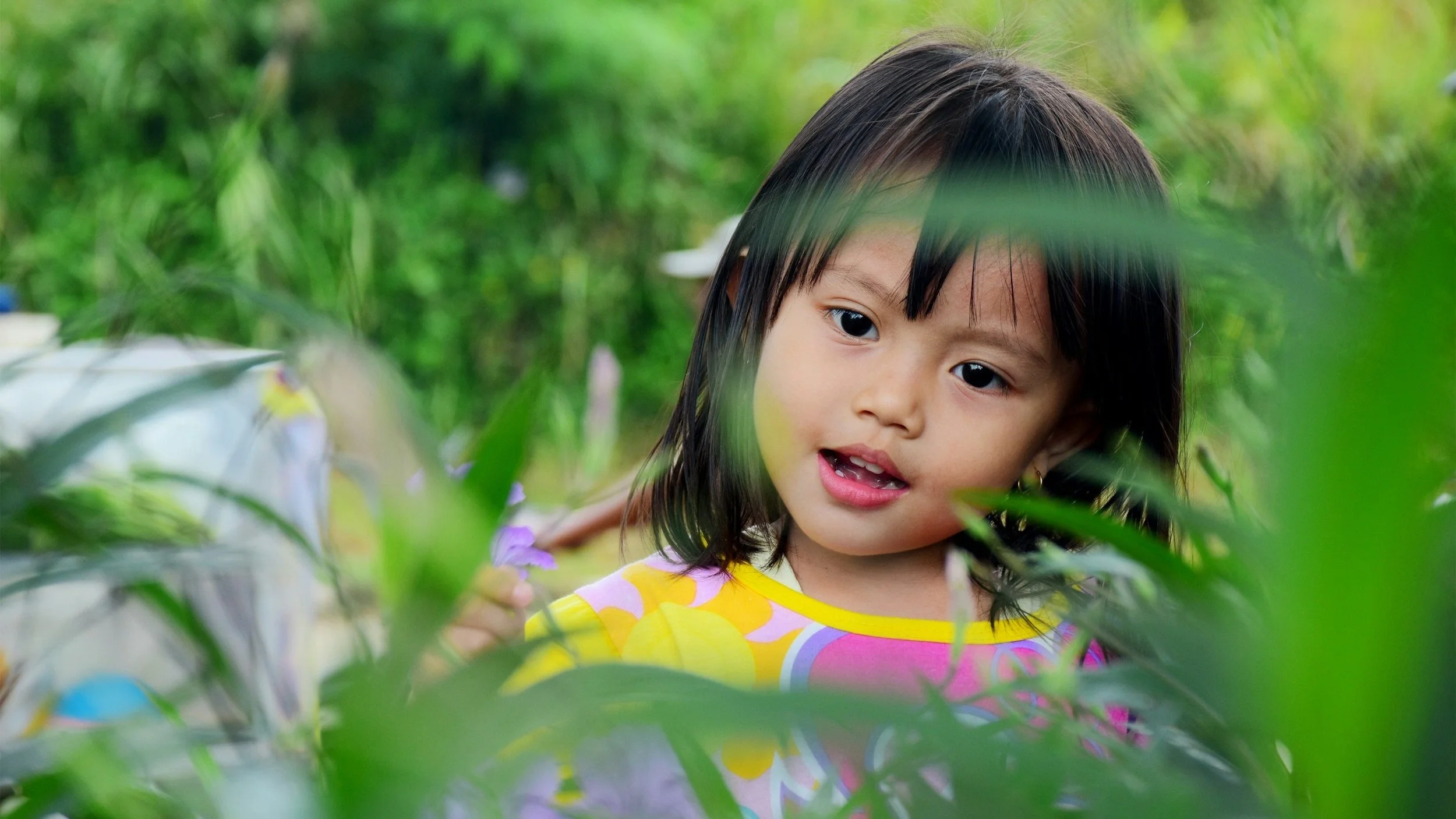
Kids, Plants, and Big Questions
Even tiny wee kids have big thoughts about plants and trees, and there’s certainly no lack of inspiration to be found in their surroundings. Encourage your little thinker to branch out with their ideas, and you won’t be-leaf how your conversations with them will blossom.
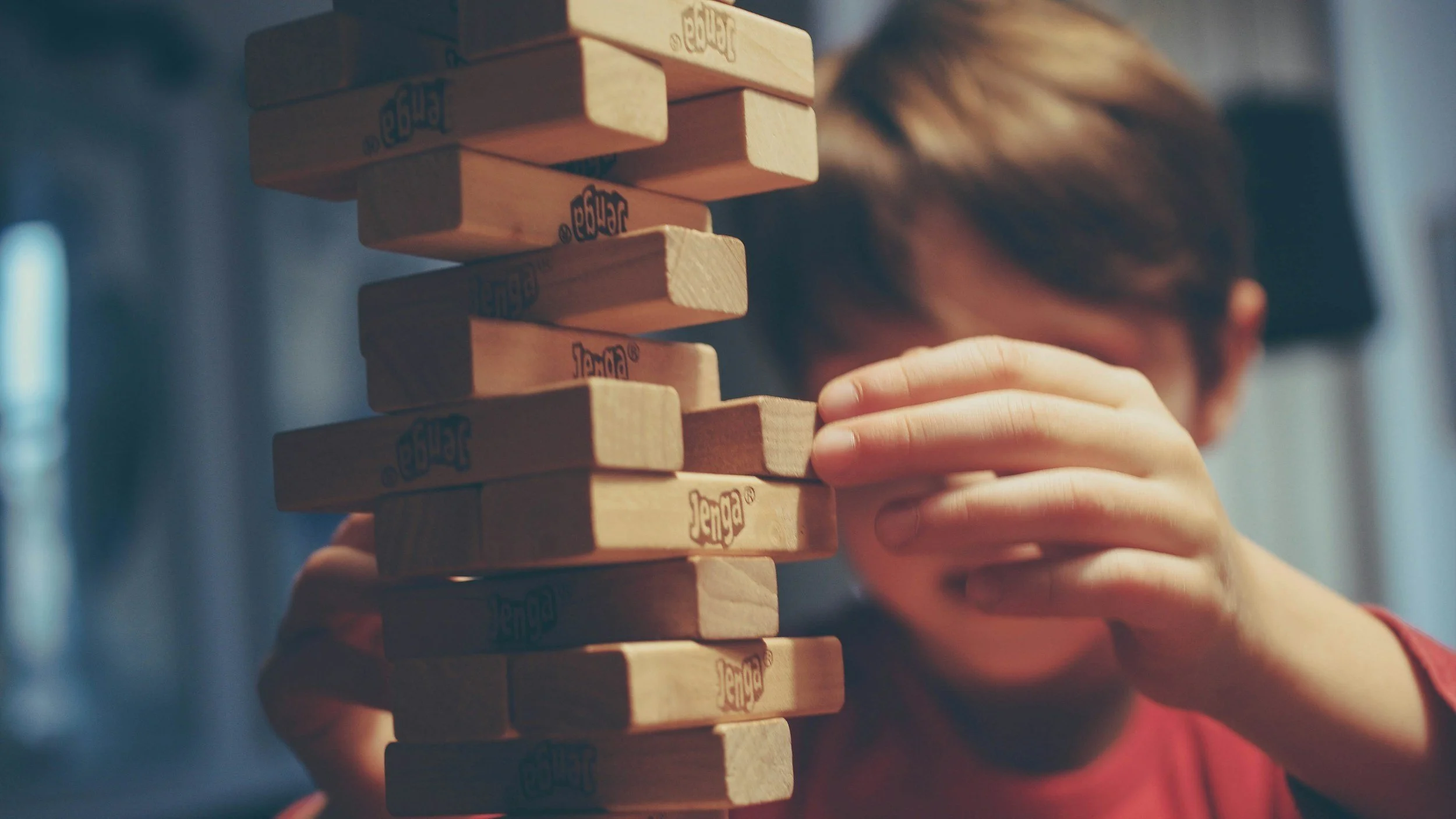
Risk Taking And Philosophy
Here’s the thing we, as adults, overlook: doing philosophy feels far riskier to us than it does to younger thinkers. Kids, especially little ones, don’t balk at taking these kinds of risks. Big questions aren’t daunting, jumping into conversations isn’t a big deal, and potentially looking a little silly doesn’t really phase them.
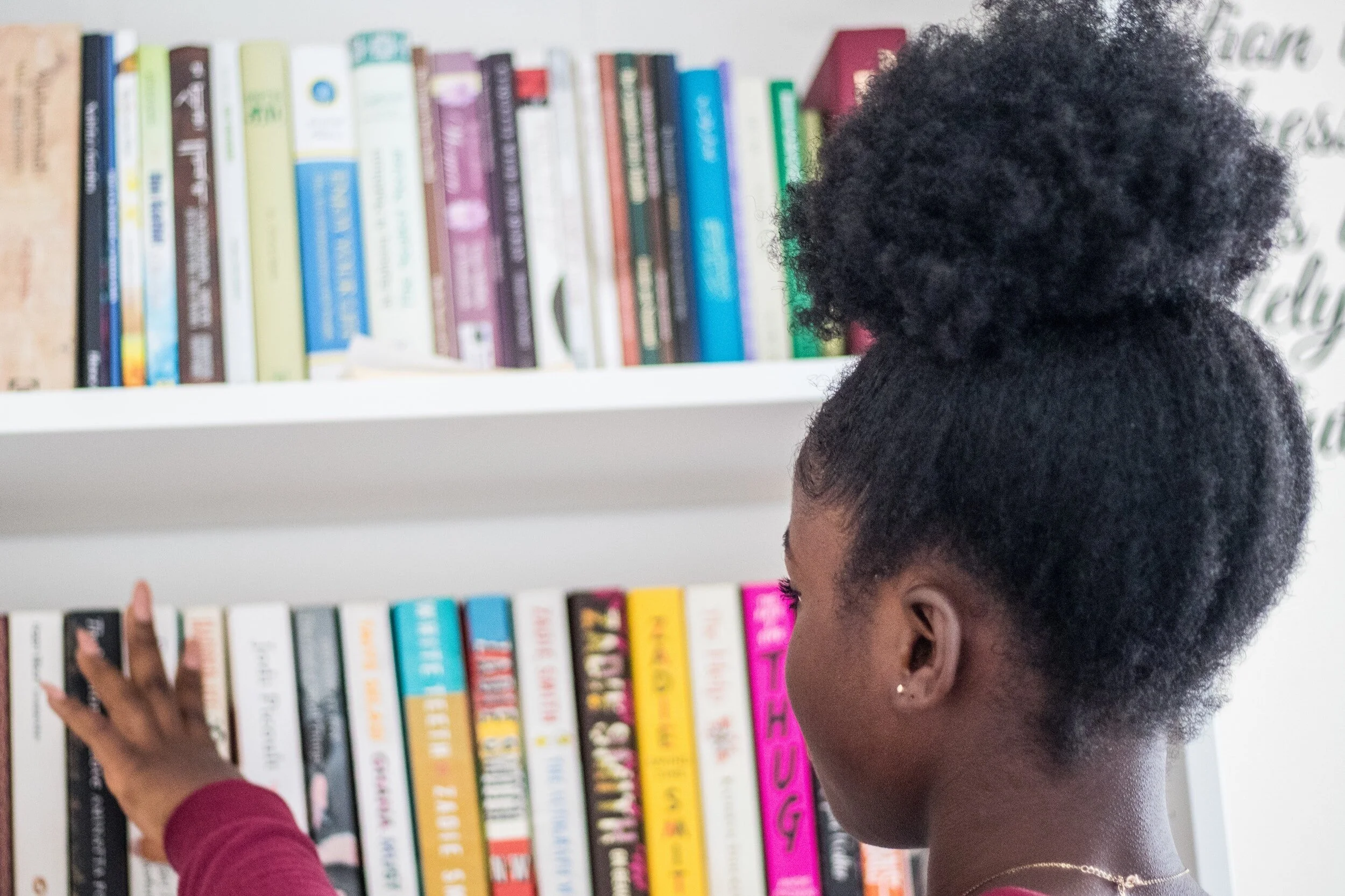
How To Help Your Child Understand the Value of the Humanities
Our kids need to be well-rounded, adaptable, and innovative in order to thrive in this our current circumstances. They need social-emotional intelligence and global awareness, as well as the ability to question and problem-solve. Fostering an appreciation and fondness when our kids are little means that they’ll be more likely to keep at least a toe or two dipped in the humanities as they grow, so they can enjoy the benefits.
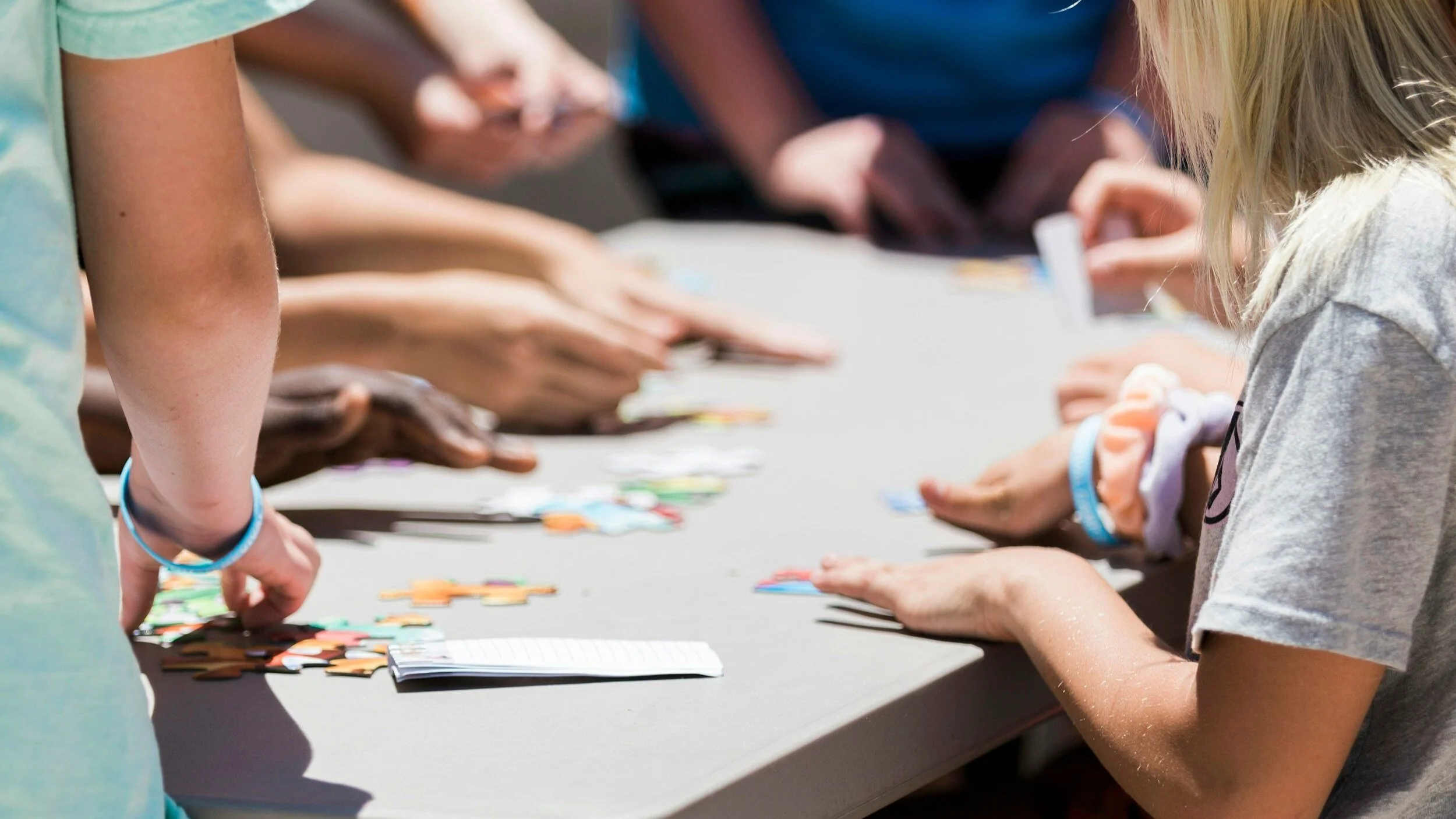
Taking Little Thinkers From “Me” To “We”
Right about now, it seems as though empathy, compassion and connection are in short supply. If there’s a way to help our kids keep these things at the front of their minds, why not make it a priority? If it helps us grown-ups to recapture some of our sense of “we”, then all the better!
The Importance of Changing Our Minds
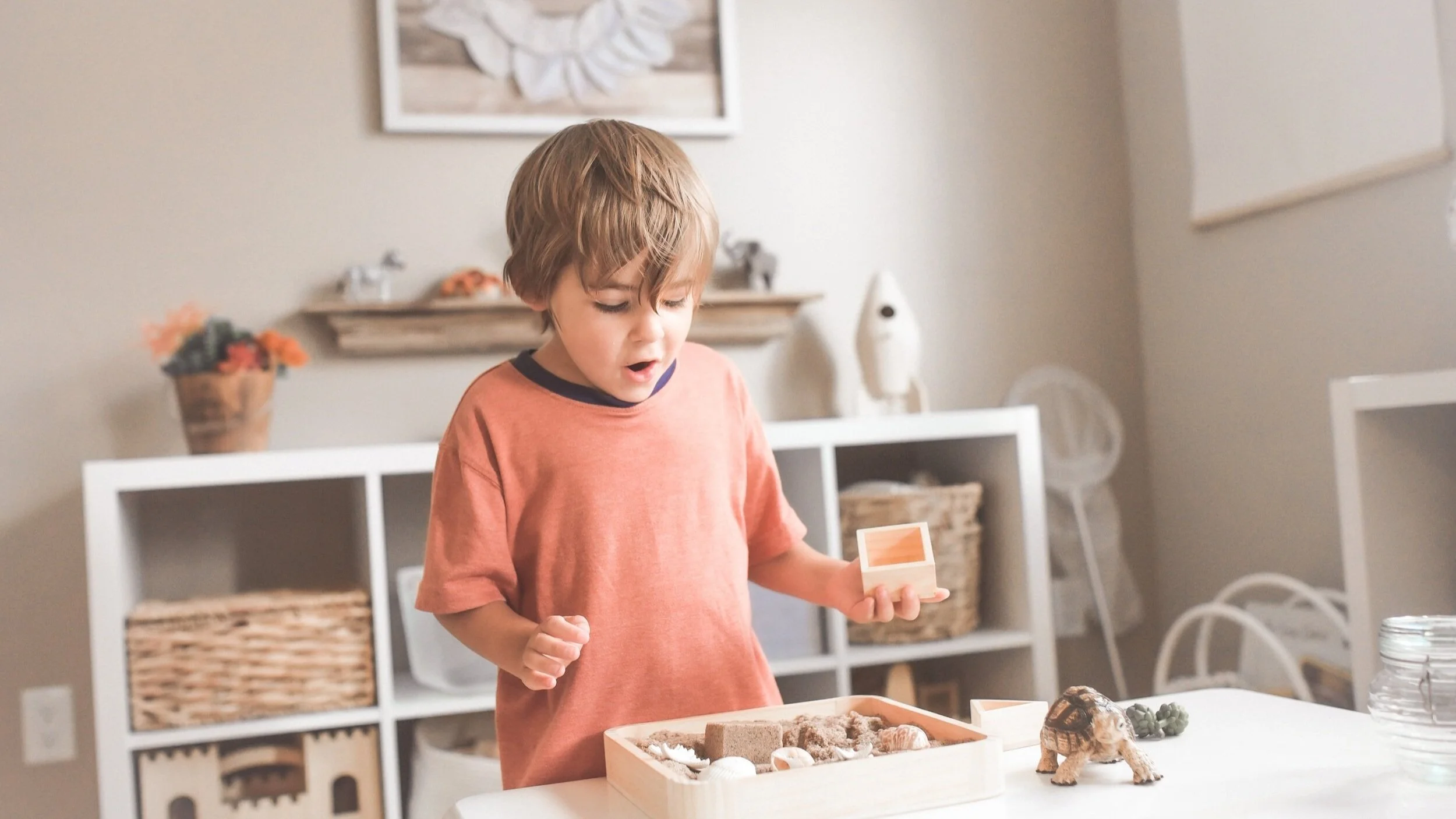
Changing our minds is about being open to new ideas or ways of doing things. It’s being curious and flexible enough to give new ideas a chance, while still being critical and skeptical before accepting and adopting them. Changing our minds involves being nimble, adaptable, and willing to see and evaluate all kinds of possibilities. It’s knowing when it’s justified to hold onto something, and when it’s necessary to let go of it.
How Philosophy Can Create Bonding Moments With Kids
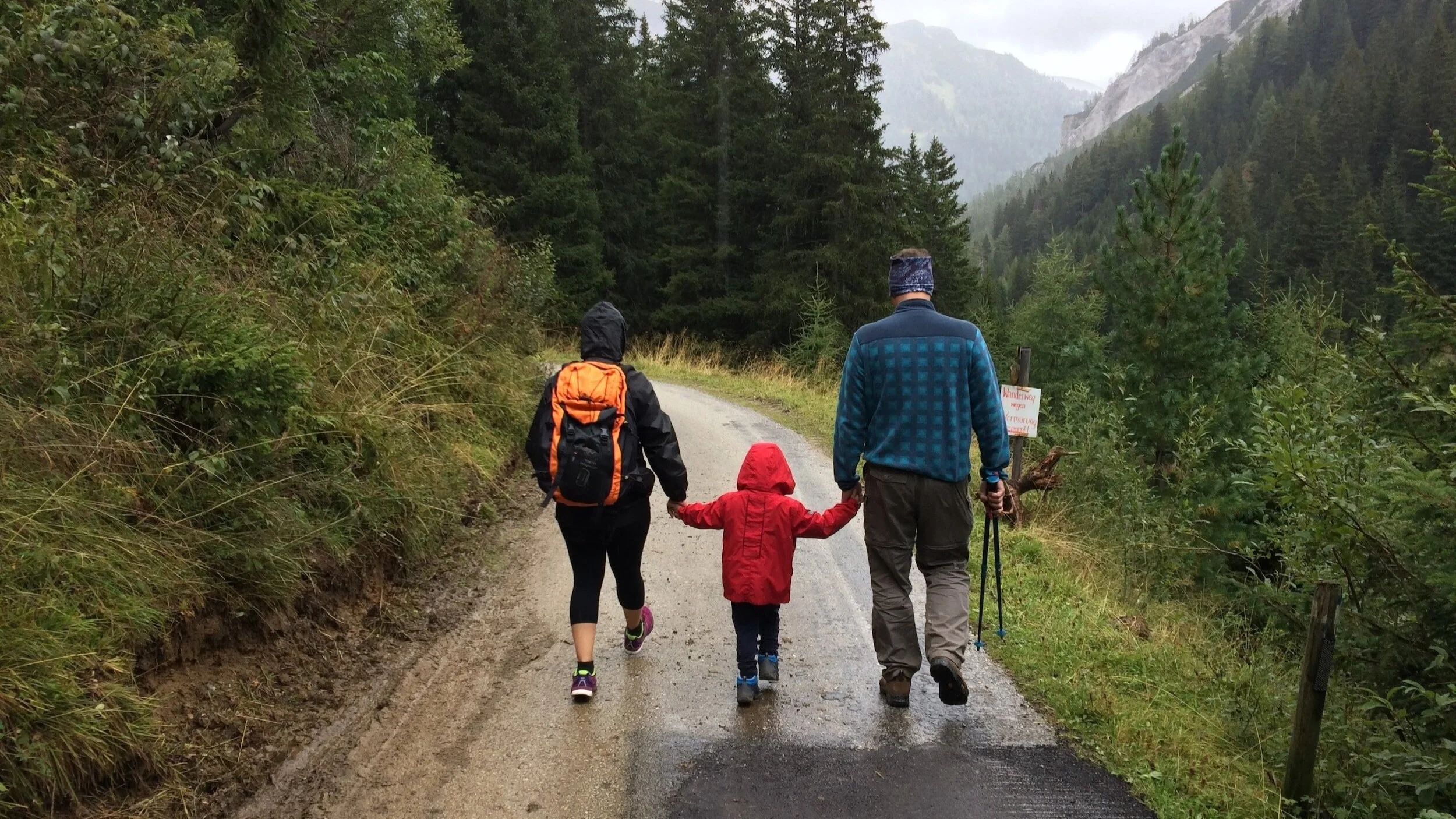
Believe it or not, doing philosophy with your kids is an amazing way to help these moments to happen. It’s true that philosophy is incredibly effective in helping kids develop essential thinking skills and equipping them for their adventures out in the world, but it’s also true that it can bring incredible connection and closeness with children.

Talking Peace with Kids
Peace is something we long for all year round, really, but it seems to be baked into the holiday season. With current world events, it’s even more prominent in our minds, and at times like these, it feels like it’s in short supply. If it’s difficult for an adult to get their head around a huge concept like peace, we can imagine how a kid feels.
What We Can Learn From Little Thinkers
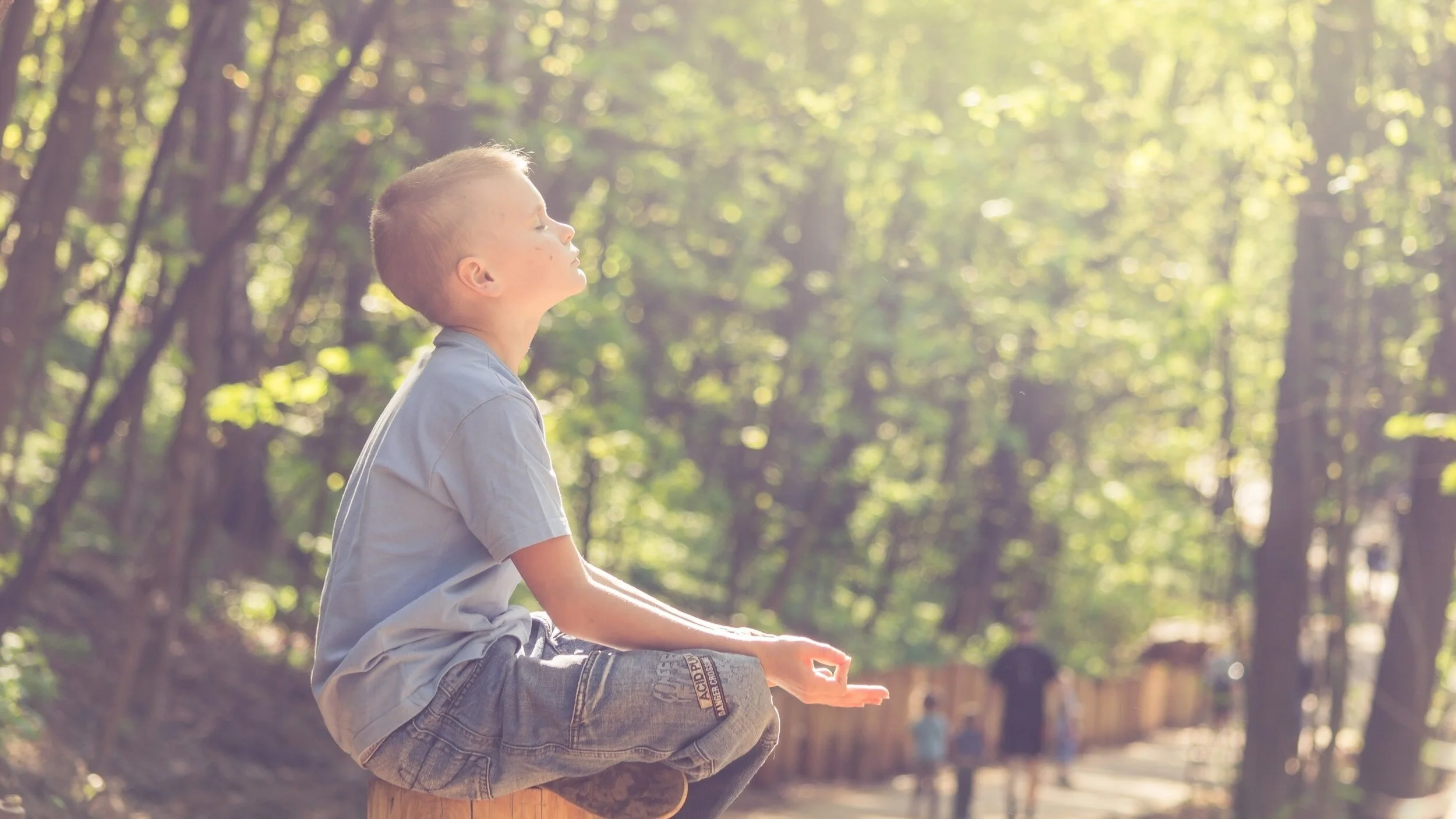
There’s no better way to keep ourselves feeling young than to think like a young person. It’s not only okay to give ourselves permission to be “childish” once in a while, but it’s good for inquiring minds of all ages.