On The Importance Of Play In Children’s Philosophy
The jury’s still out on precisely how long it takes to learn through play vs. learning through practice and repetition, but it’s probably safe to say the former is a whole lot faster. There’s a long list of reasons why, including the fact that play is more engaging, more creative, more collaborative, and less stressful. Play just seems to make things stick more easily, and for this reason, we like to teach big, important, philosophical questions to kids in ways that are decidedly playful.
As we grow further away from childhood, we tend to forget that when we’re small, the line between work and play is quite blurry. We start to believe that in order to get anything important done, to learn anything of consequence, we have to be serious about it. There are so many ways for a child to learn philosophy through play, and so many reasons why philosophy needs to be an integral part of a child’s learning. We thought we’d suggest a bunch of playful ways to introduce it to a little thinker.
Philosophy can be done through art, drama, dance and music. Not only is there lots of room for play in these approaches, but a child can build physical muscle memory of what it feels like to think critically. They can produce tangible artifacts and performances that represent their ideas, and share them with others. Imagine having a collection of drawings, or recordings of songs and dancing that explore a child’s thoughts.
Philosophy can also be done through games and sports. Topics like fairness and our relationships with others fit beautifully into both of these, and there are so many opportunities to dive into them as a group or a team.
Philosophy blends beautifully with a child’s favourite toys. A teddy bear tea party can become a round table discussion of a favourite topic. Building blocks can be used to help to map out an argument. Superhero action figures are great for pondering things like and right and wrong and responsibility. Interactive toys can be used to promote active listening and thoughtful responses.
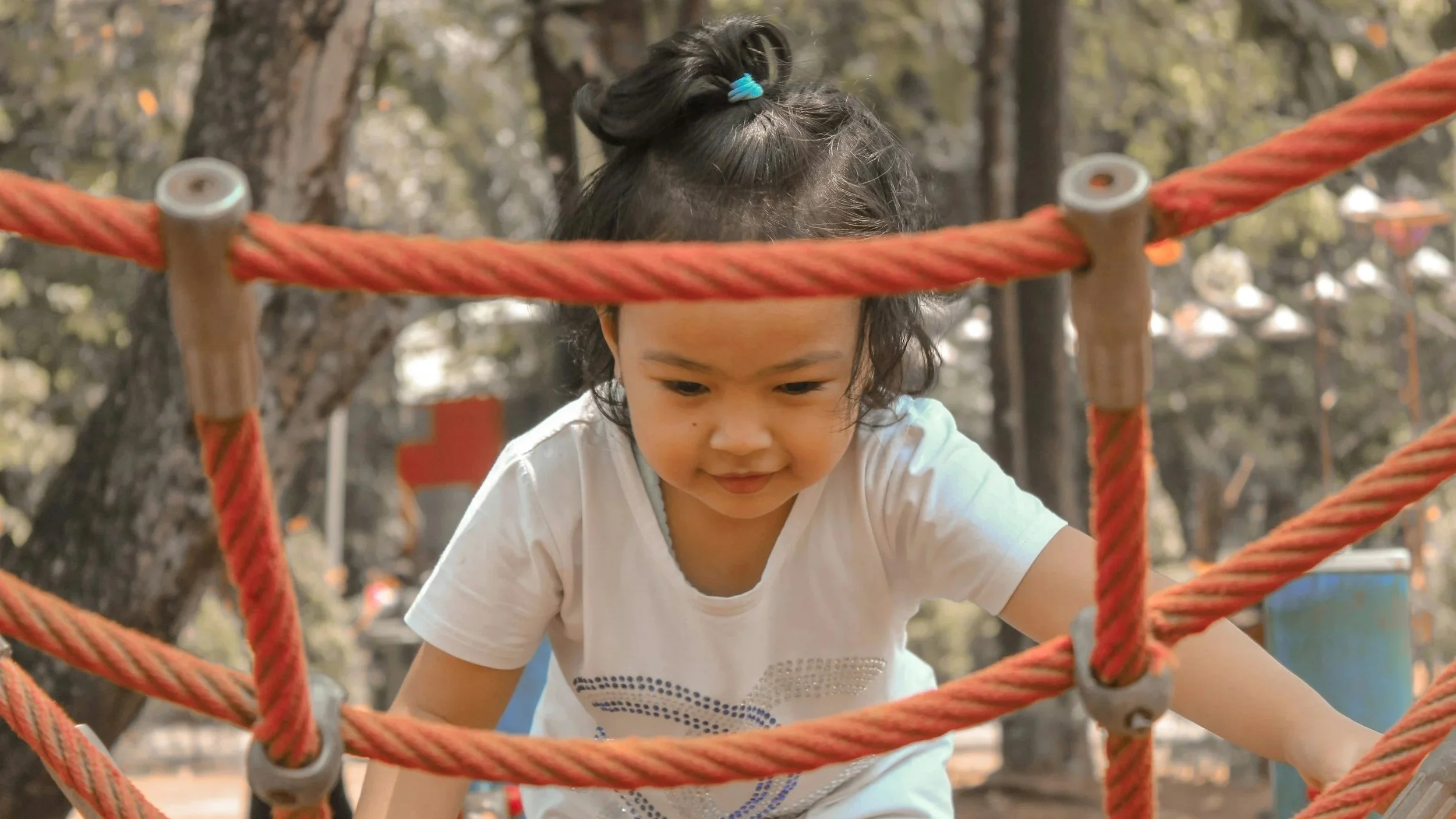
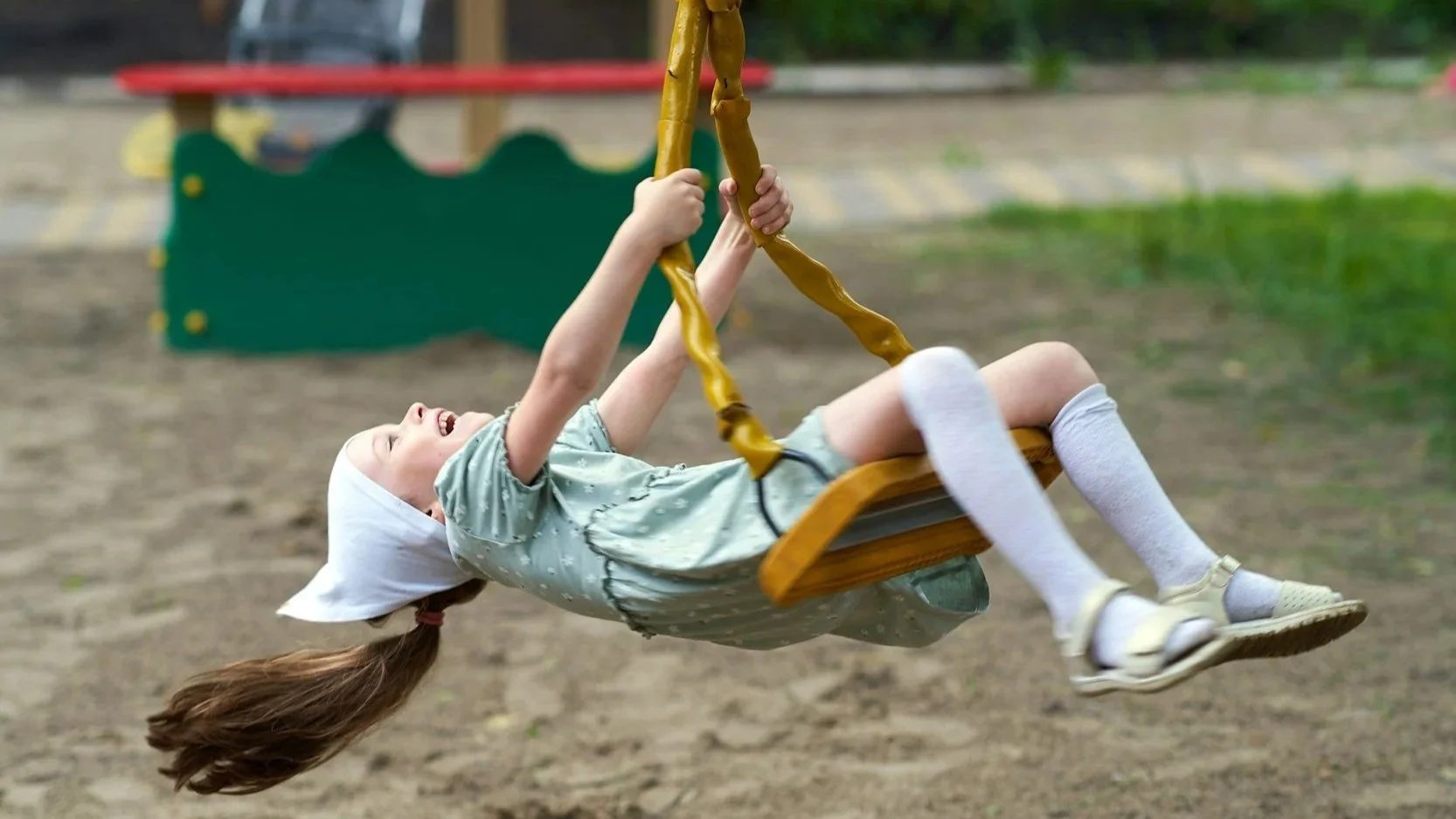
Outdoor play is the perfect opportunity to bring up philosophical questions. A hike through the park can inspire discussion of our relationship with nature and other creatures. Taking turns on the swing set can spark debate over different ways to share. The changing of seasons might lead into a chat about the passage of time.
While you’re finding philosophical questions during your child’s playtime, don’t forget that even moments of loud, wiggly silliness can yield big ideas, and the fact that conversations with children are generally short doesn’t make them any less meaningful. Also remind yourself adults deserve play too. What works for our little thinkers can also work for us, including in philosophy, and there’s no better way to bond with a little thinker than through philosophical play.