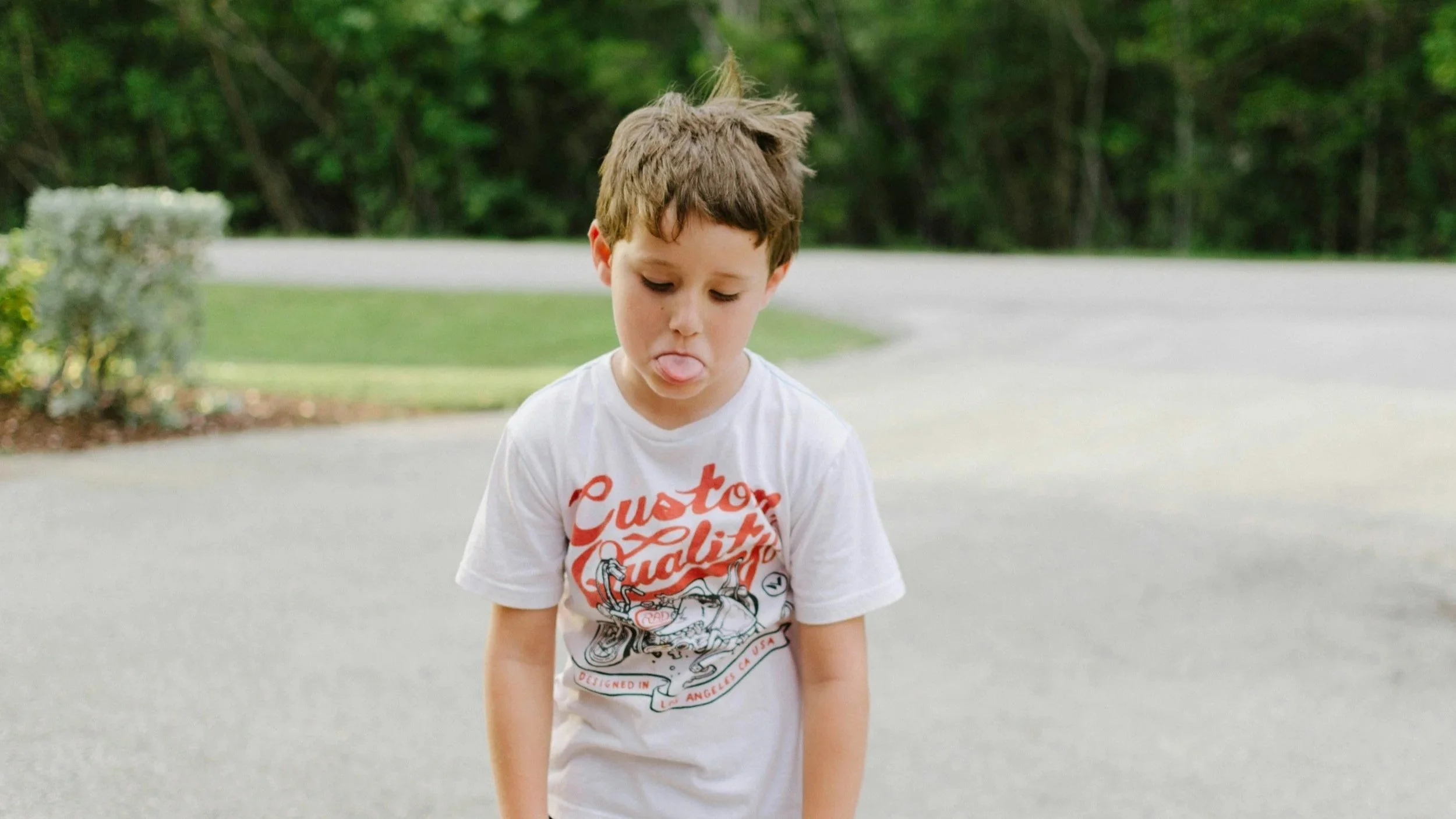
Is There Such Thing As A Picky Thinker?

Most parents go through the ups and downs of trying to get a wee human to try new foods. Some kids are game to eat just about anything that’s put in front of them, and some of them are quite discerning, to the extent that their grown-ups feel like they won’t eat anything at all.
The same can be said for doing philosophy with kids. Some will jump in with both feet and gobble up big questions without hesitation. Others will be kind of “meh” about it, and need a nudge here and there. In the latter case, it’s easy to get frustrated and discouraged, but there are several things to keep in mind while you try to encourage a child’s taste for critical thinking:
· With philosophy and with new foods, persistence and patience is key. You can brace yourself for disinterest and even dismissal, but still assume that if you continue to put big questions out there, they’ll eventually find something appealing enough to try.
· Just as kids, deep down, really want to eat, they also really want to think. They want to be part of important conversations. Finding their way into philosophy (or a new cuisine) may be a challenge, but once they’re there, they’ll thrive.
· Just as you wouldn’t expect a kid to eat an enormous meal, or sit at the table for long periods of time, you shouldn’t expect them to spend hours pondering the mysteries of the universe. Philosophy with kids is often done in small bites, and that’s fine. Important conversations can always be packed away for later, when they’re hungry again.
· Variety is key in philosophy and in food. If one branch doesn’t please a little thinker, try another, and then another, and then another. You child may really surprise you with which one sparks something in them. Remember that philosophy covers every interest and subject area. There’s something for every taste.
· When (not if) your child does find an area of philosophy that’s appetizing, don’t be surprised if they gobble it up and ask for more. Even if it’s the only thing they want to talk about and explore, they’ll still be developing important thinking skills, as well as an understanding of themselves, other people, and the world around them.
· Just as kids often respond to being allowed to help choose and prepare food, they also value being included in all kinds of ideas. Don’t assume that things like art, environmental concerns, and politics aren’t of interest to a young thinker. Quite often, being given some ownership of a discussion can work wonders for their level of interest.
It's essential to avoid labelling a child as “not being a thinker”, just because they’re a little “picky” about it at first. Some kids are hungry for big questions from day one, and some need time and encouragement to experiment with them. As is the case with food, variety, persistence, and patience are often all they need to feel comfortable taking a seat at the table.
Happy thinking and bon appetit!