

Bring big questions into your classroom!
If you’re a teacher, a community leader, or a homeschool parent, you’ve landed in the right spot!
Cruise through our list of free, downloadable lesson plans that spans all kinds of topics, and interests. All of them make learning to think critically and philosophically fun!
Looking for something specific, like a curriculum subject or theme? Pop it into the search field, and you’ll find a variety of lessons, as well as helpful blog posts. Be sure to check out our “Just For Fun” activities, as well as our assessment and evaluation tools.
New stuff added all the time, so keep checking back!
Happy thinking!
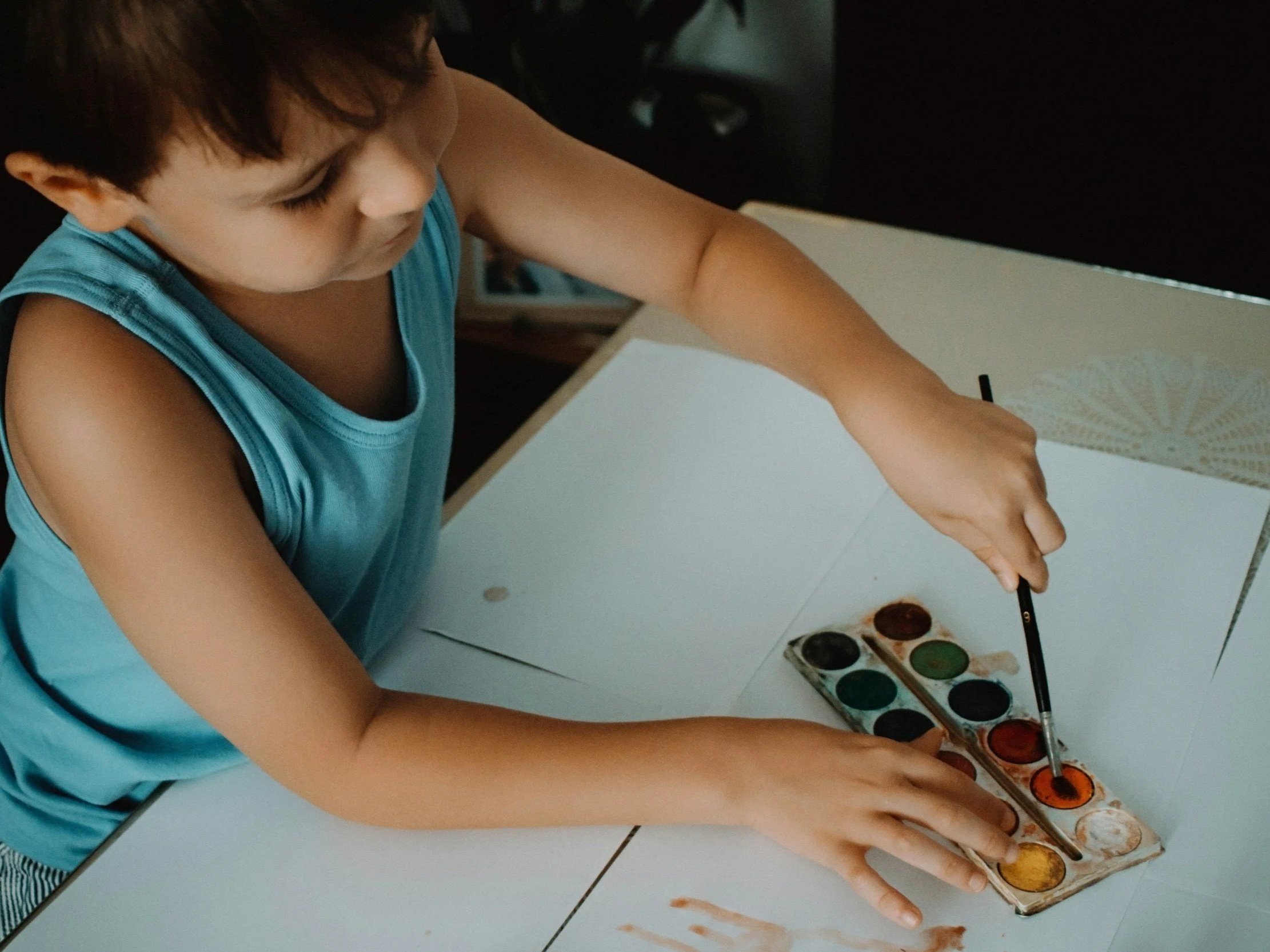
Lesson Plan: Crafting A Better World
Take a critical, but optimistic look at ways that even young thinkers can contribute solutions to problems in their school, their community, and beyond. Craft works of art in a variety of media that express ideas for improvement, and share and explain them with peers.
Lesson Plan: Brave Thoughts
Explore the role of courage in asking “big questions”. Research a great thinker who was willing to be brave, ask questions, and think carefully about possible answers, and whose ideas changed history.
Lesson Plan: Who Uses Philosophy?
Philosophy can be useful to so many people! Explore various jobs and activities that are made better by asking big questions. Get to know members of the community through the big ideas they use.

Lesson Plan: Breaking The Mold
Research what life was like for a philosopher who accomplished something that was unexpected in the time and place in which he or she lived. Understand that not all great thinkers lived in a time or place in which their ideas or actions were considered acceptable or important. Learn about how philosophers overcame these obstacles in order to accomplish great things. Make connections between the accomplishments of this philosopher and personal goals for intellectual achievement.
Lesson Plan: The Universe And I
Think about the word “Universe” and draw a picture of the images and ideas that this word brings to mind. Read about another person’s idea of what this word represents and note the differences or similarities between the two. Consider why people may have particular ideas about the universe and their place in it.
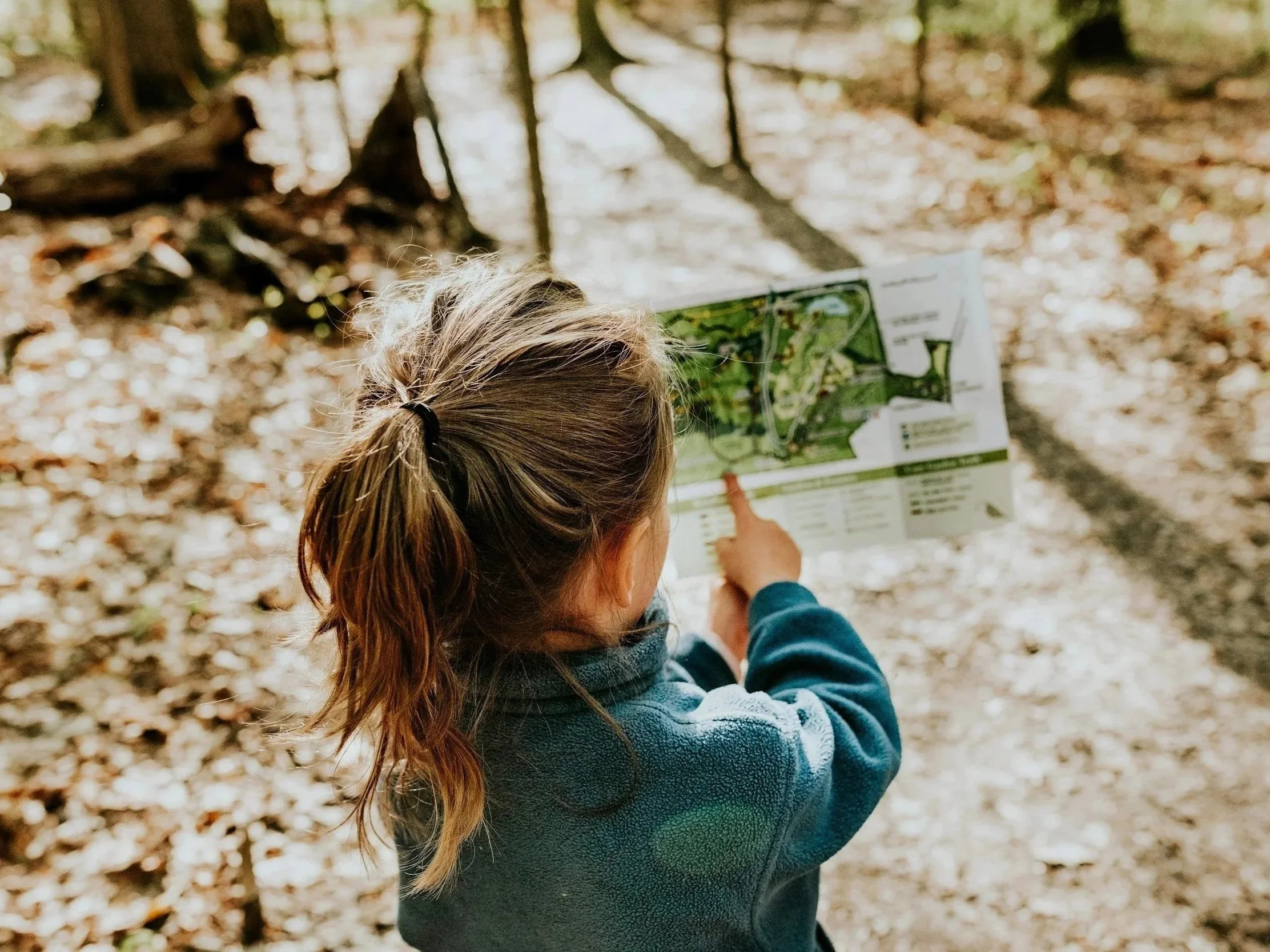
Lesson Plan: Be The Boss
Get to know a person who is in charge, or a “boss” in your school or community. Interview this person, explore what helps them make important decisions, and develop strategies for making your own.
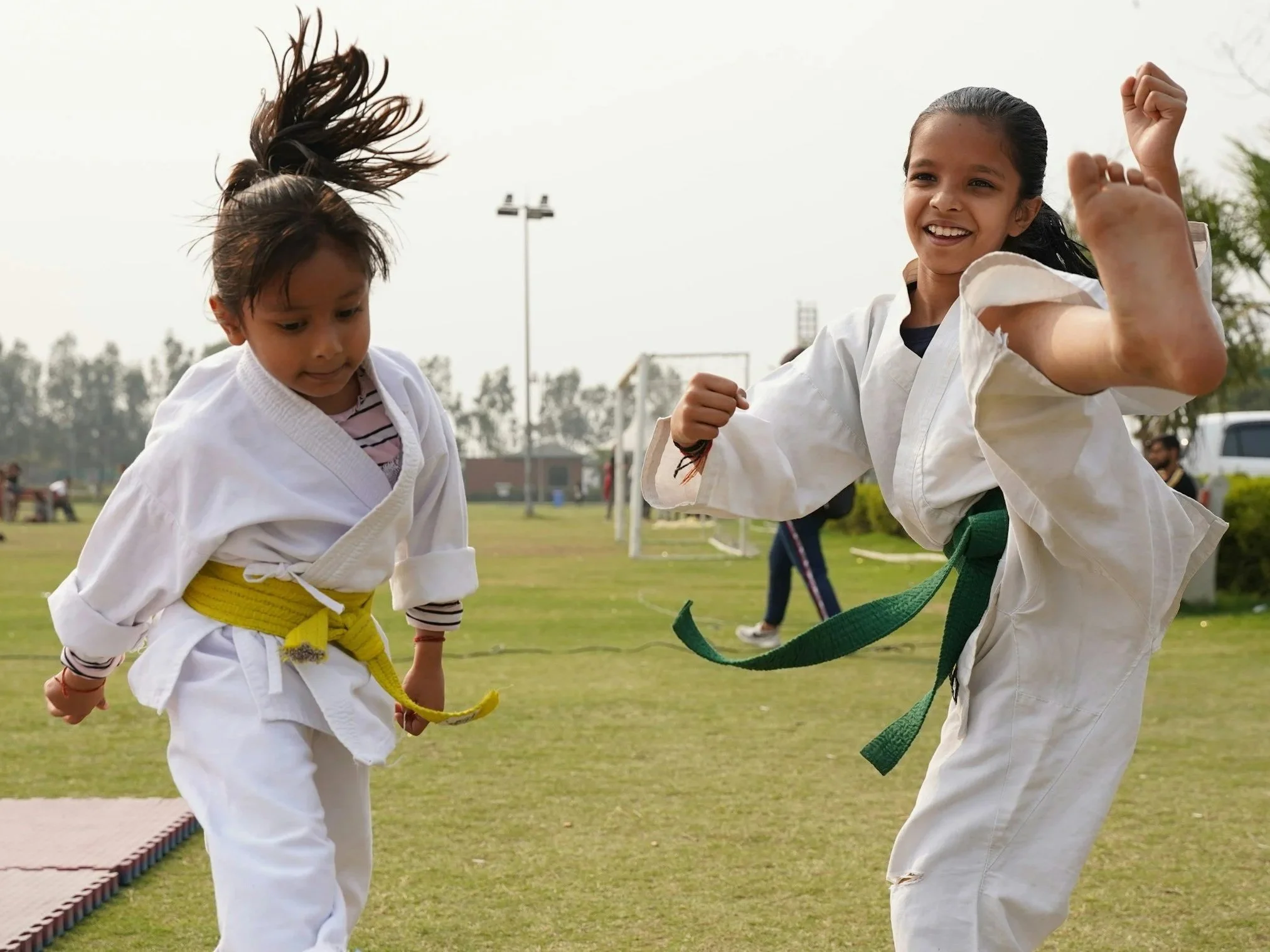
Lesson Plan: Powerful Women
Research what life was like for a woman of great power/influence who accomplished something unexpected in the time and place in which she lived. Make connections between the accomplishments of these great women and one's own personal goals.
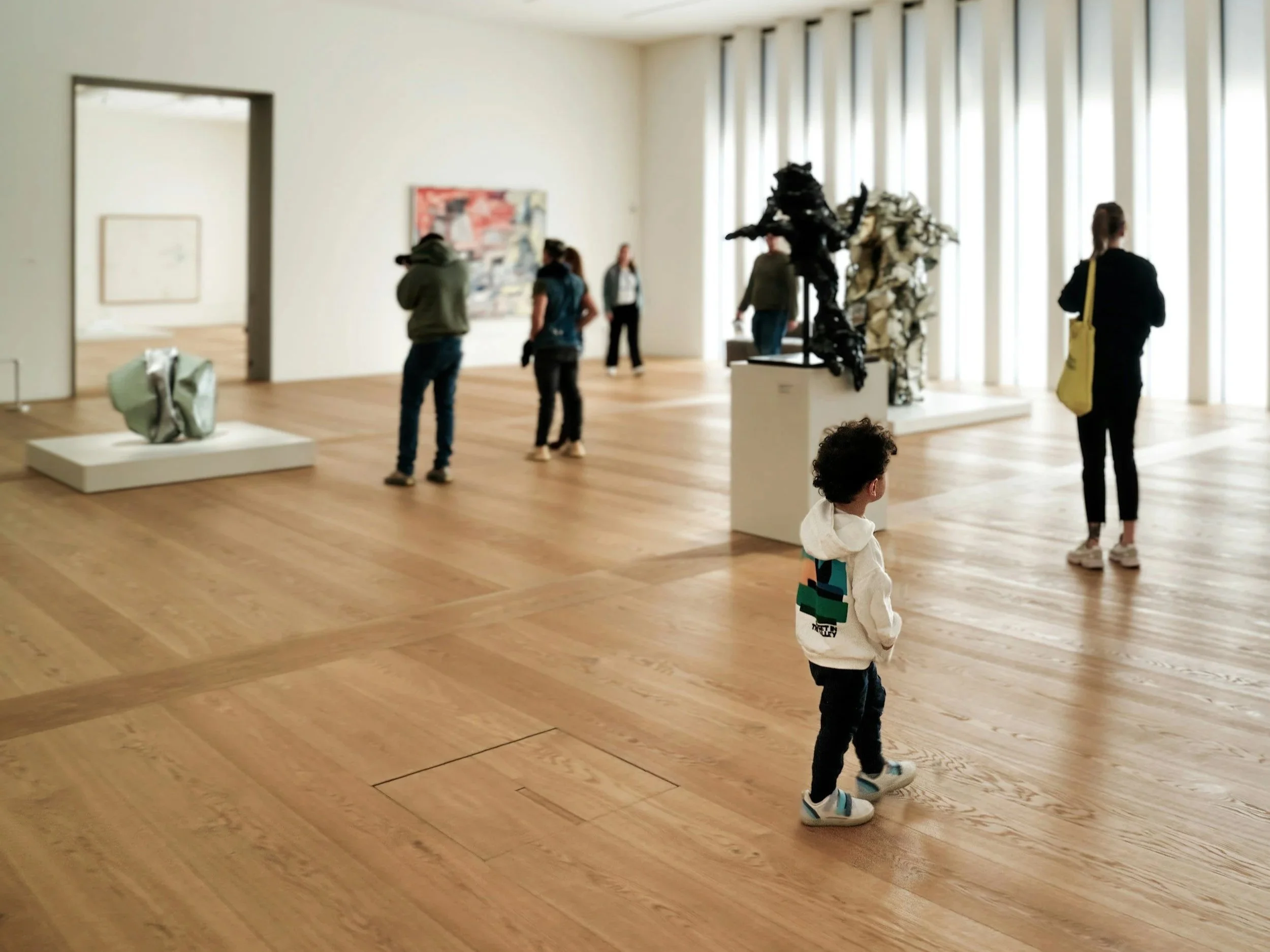
Lesson Plan: A History Of Beauty
Great Thinker's Challenge:
Compare various notions of beauty by comparing different historical eras. Think critically about the difference between true beauty and passing fads, as well as the role originality plays in definitions of beauty. Begin to form a definition of the characteristics that make something beautiful.

Lesson Plan: TV Land Vs. The Real World
Understand the role of media in our everyday lives. Evaluate different media as sources of facts, by analyzing images and messages conveyed.
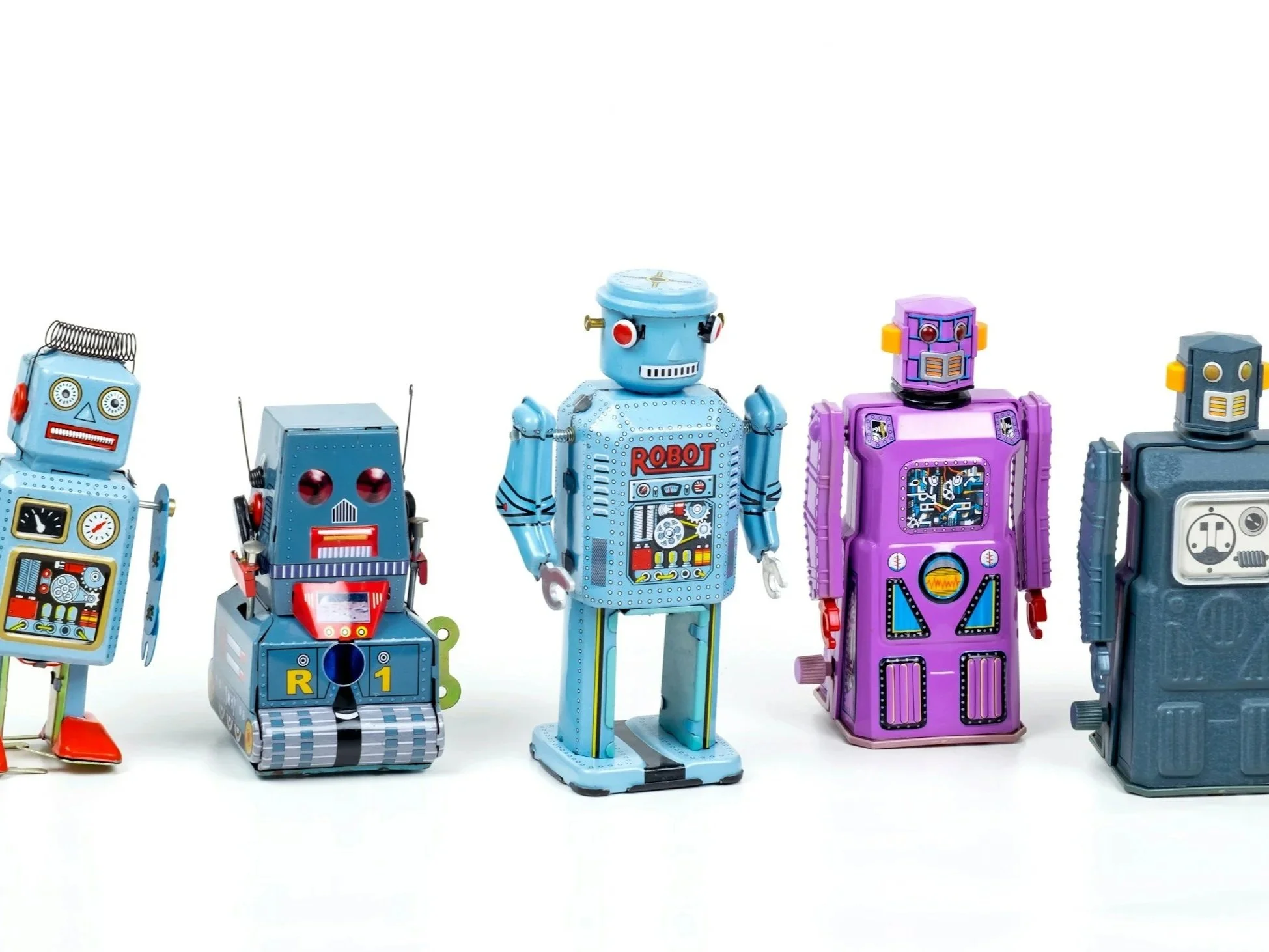
Lesson Plan: Robot Scavenger Hunt
Learn about the many different types of work robots can do, by finding examples in one’s classroom, home, and community. Begin to form a general definition of robots. Consider how robots of the future may be used in one’s community.
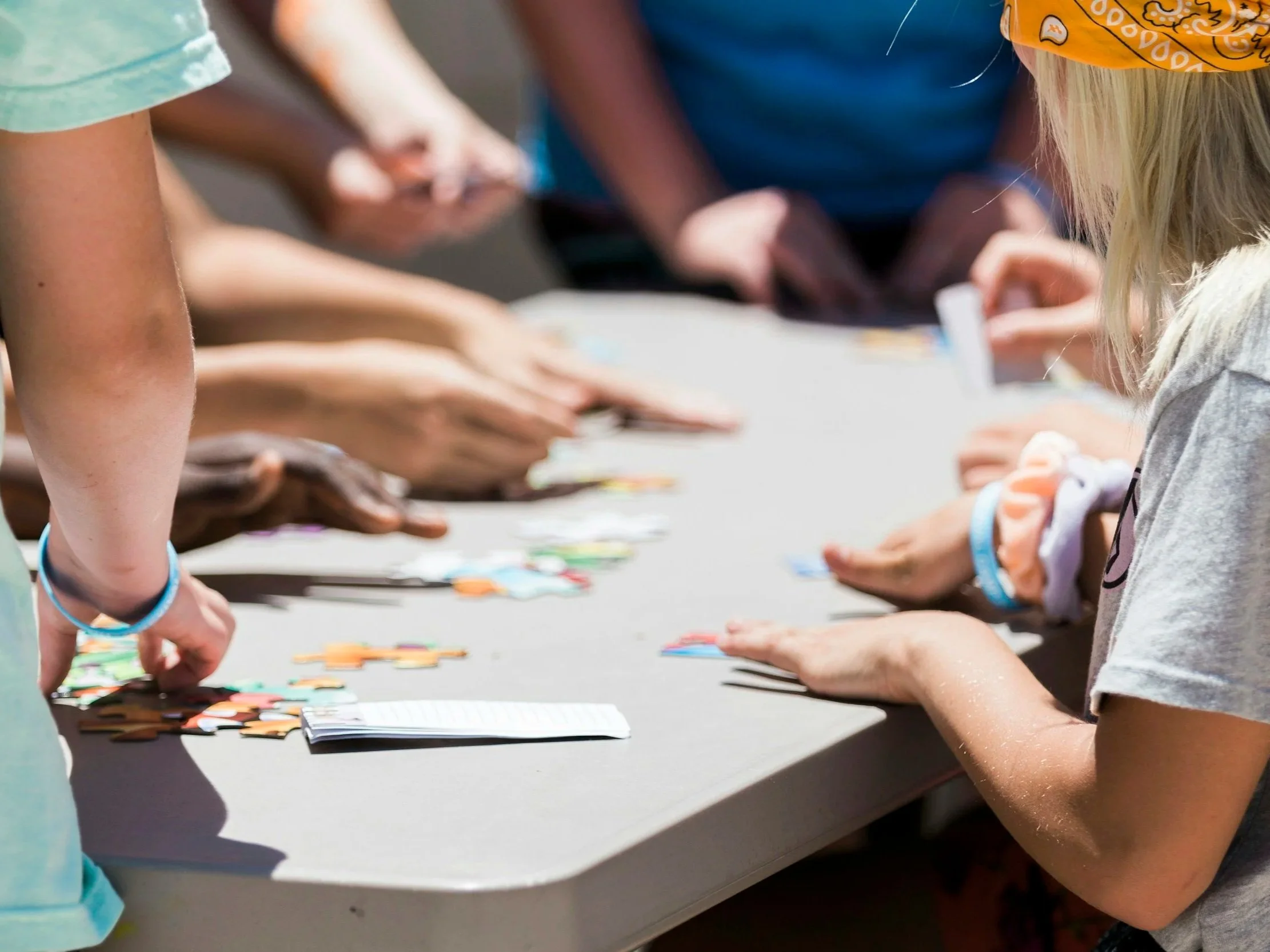
Lesson Plan: Rules For Some, And Rules For All
Examine the role of rules in our daily lives. Explore the impact of rules on family, the environment, and school. Think critically about the difference between rules for some and rules for all.
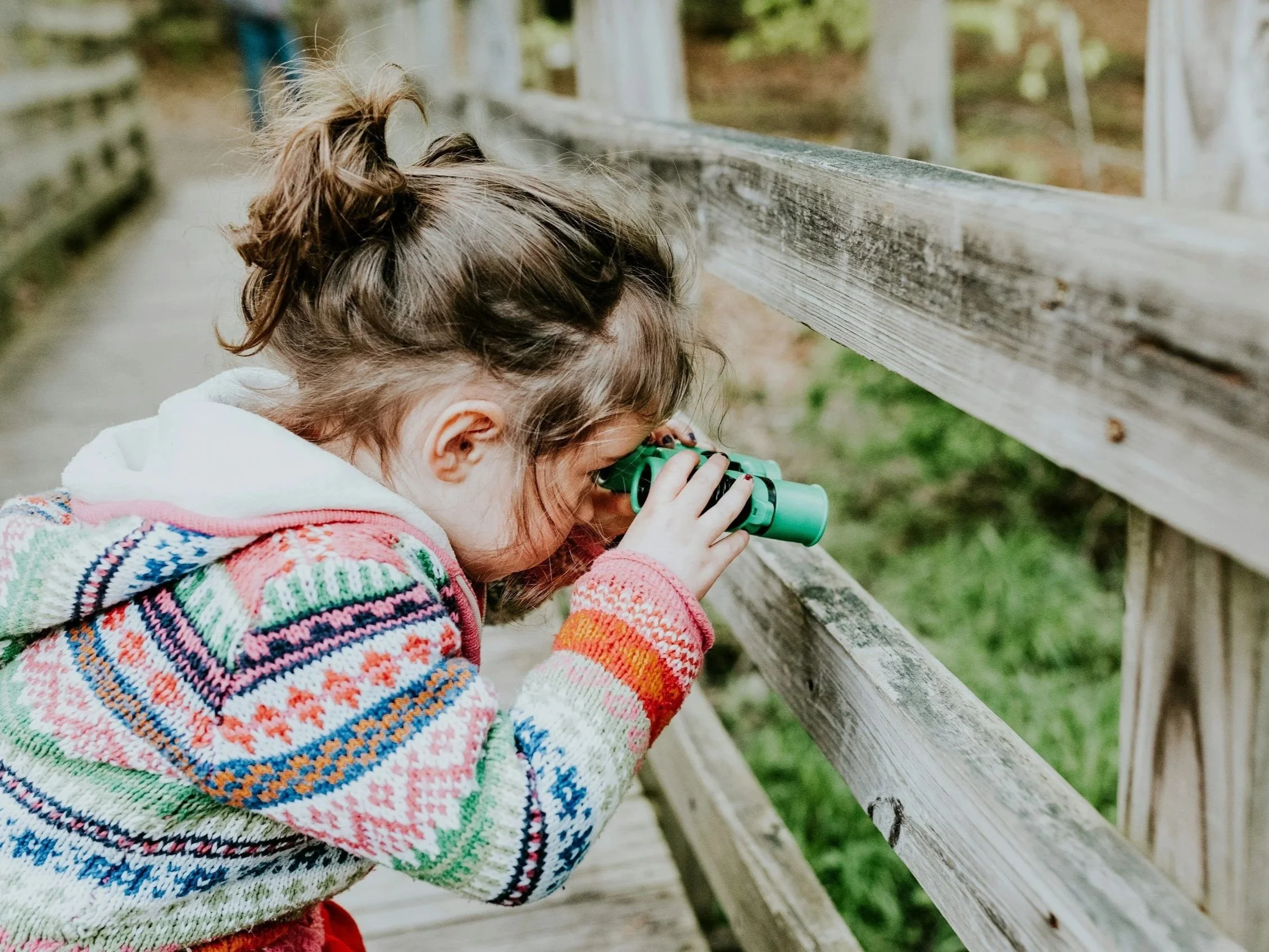
Lesson Plan: I Was Wondering About The Environment
Investigate different ways that humans have used and manipulated resources from the natural world to meet their community’s needs. Develop a definition of what it means for something to be “natural” or “made by humans.” Create a mobile that illustrates some of the ways that humans affect and use a particular natural resource (plant or animal) within a specific habitat and/or community.
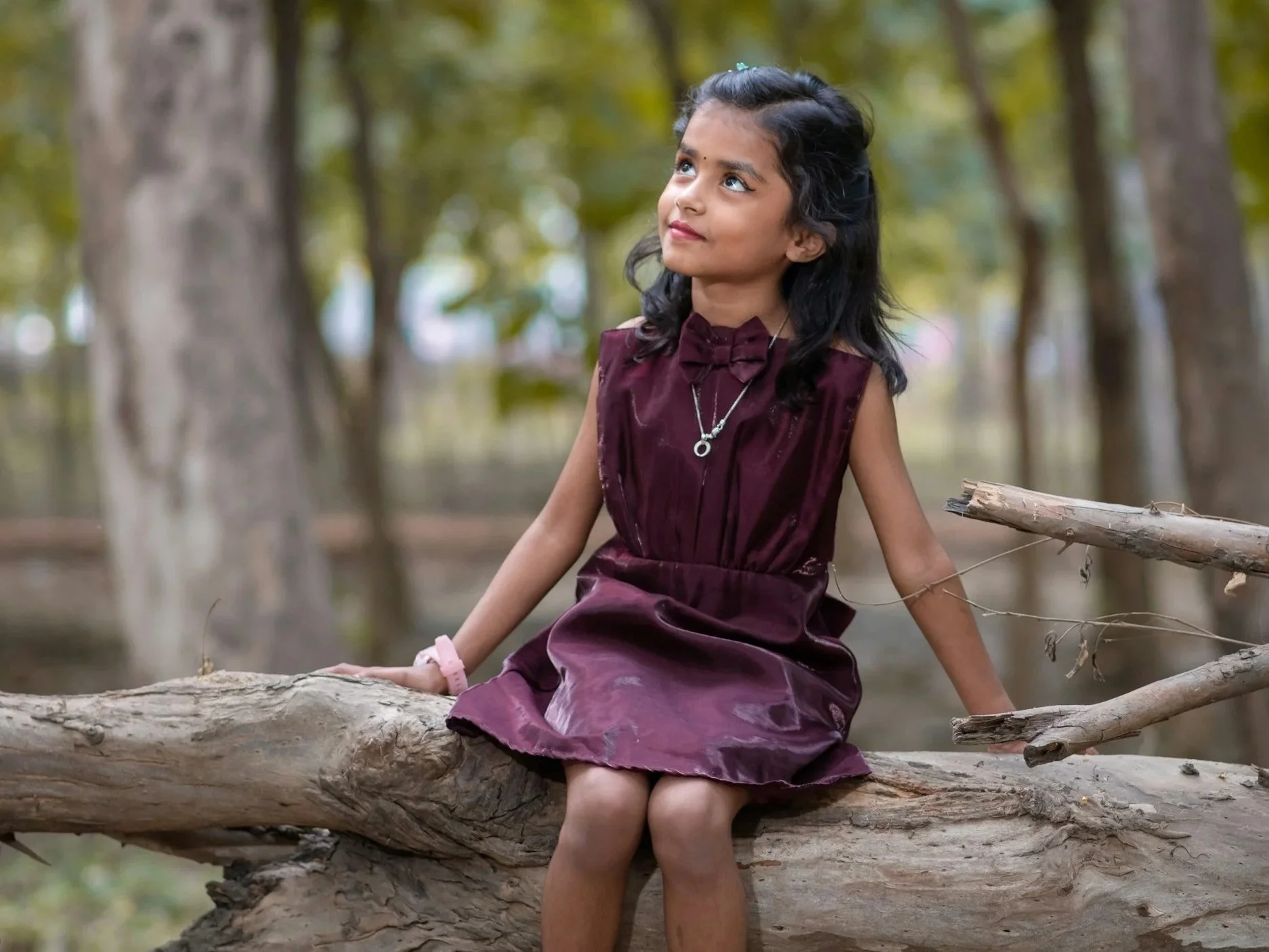
Lesson Plan: I Was Wondering About Imagination
Make connections between hypothetical scenarios and real-life experiences by role playing as a fictional character, meeting new and unfamiliar people from a different world. Create an imagined avatar that is like oneself, but also adapted to a different environment and society. Think critically about the challenges that might be faced by people from two different worlds meeting for the first time. Draw from real world technology and ideas to design tools or devices that would support harmonious interaction between these characters. Think about how these imagined tools, if invented, could help future generations.
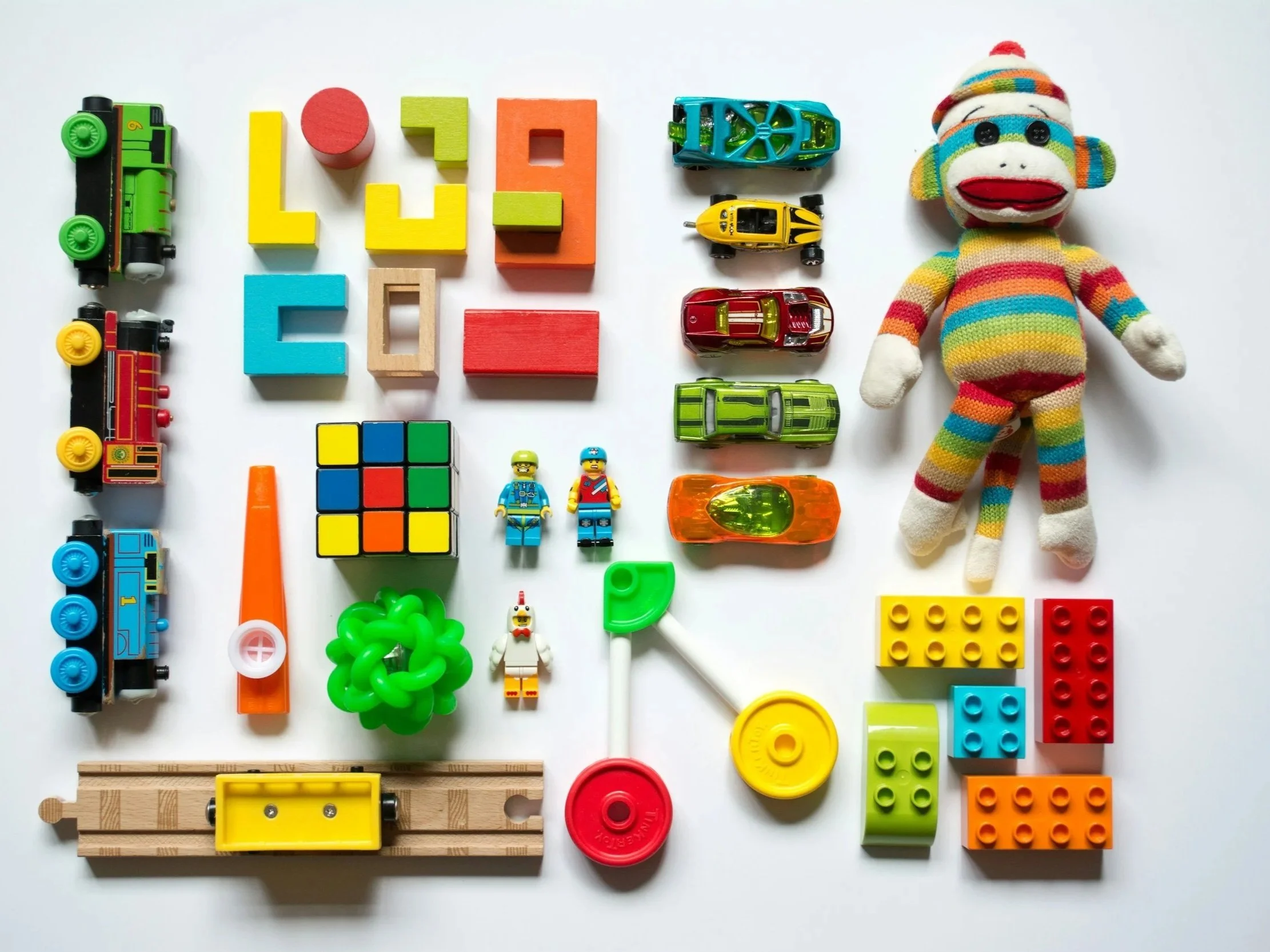
Lesson Plan: I Was Wondering About Equality
Develop a foundational understanding of the concept of “equality” and make personal connections to an equality-related challenge (e.g., selecting a toy or career path based on personal interest) faced by a group within the community. Write a first-person narrative that advocates for a proposed solution or change from the perspective of an individual facing constraints on their choices, due to them being different from others in the same situation.
Lesson Plan: I Was Wondering About Leadership
Think critically about the qualities that define a good leader, consider which of these qualities are important in different scenarios, and identify qualities of leadership in oneself. Select and apply qualities they feel are important to create a profile of a new leader for a local band of comic book heroes working to solve a problem in their community.