

Serious Is Good, But So Is Silly.
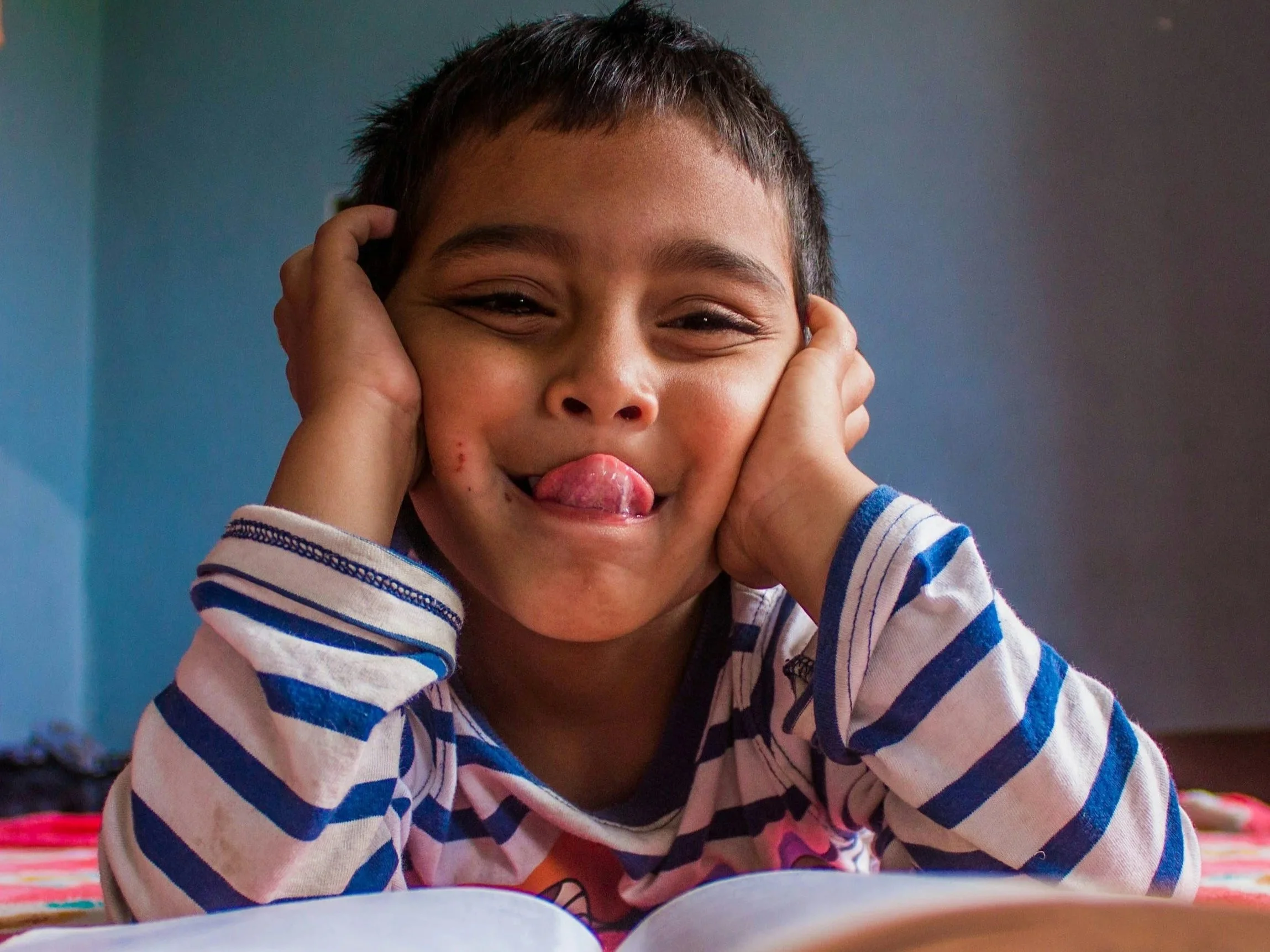
There’s really not much that you can’t discuss with a wee philosopher. Even the most difficult, fraught topics can be framed in a way that’s age appropriate, insightful, and engaging for a young thinker. In philosophy, there’s very little that’s too serious to be put on the table.
But are there big questions that are just too silly? In times like these, when we really want even kiddos to be equipped with the thinking tools to navigate a difficult and changing world, should we be bringing things up that are super light and fluffy, even whimsical? Is it okay to be playful, in light of all the serious things for which learners need to be prepared? Do “lighter” questions still have the same cognitive and moral impact, and are they still worth the effort?
Well, yes, to all of this, and here’s why:
· One of the first tasks in doing philosophy with children is establishing that it’s okay to ask questions, that they’re always welcome and safe in a discussion. If a kid is curious, you don’t shut them down. Both serious and silly questions can accomplish this kind of openness.
· It’s important to note that for a child, the line between silly and serious can be much blurrier than it is for someone older. What seems heavy to an adult thinker may not be so for someone younger, and conversely, what seems whimsical and fun to us may be asked by a child with more sober intentions.
· In philosophy, one question inevitably leads to another (or many others). It’s fine to start somewhere “fluffy” and wait for bigger questions to follow, because they probably will, in droves. It might actually be easier to work up to difficult questions in stages, starting at the “easier” end of things.
· Silliness still creates connections to other thinkers. Sharing a giggle can be a great way to explore ideas together. Silliness can also be a wonderful way to build empathy for and understanding of non-human creatures too.
· Critical thinking is critical thinking, regardless of whether it happens playfully or seriously. You and your tiny sage can discuss candy, their favourite cartoon, or a bug they’ve found at the park, and there will still be opportunities to build all kinds of learning skills. With any philosophical discussion, a child has an opportunity to compare ideas and viewpoints, problem solve, be creative, and communicate. Whether silly questions are just the starting point, or where a child chooses to stay, really doesn’t matter.
As parents and educators, we want our young thinkers to be prepared for the world they’re growing into. We want them to know what lies ahead, and how they can navigate a complex and challenging world. It’s not unreasonable for us to want to them to be informed and ready. But it’s also okay for us to start with something that genuinely interests them, and meet them where they are, even if it doesn’t seem as complex or relevant. With the skills philosophy nurtures, they’ll be able to think their way around the heavier questions as they grow.