

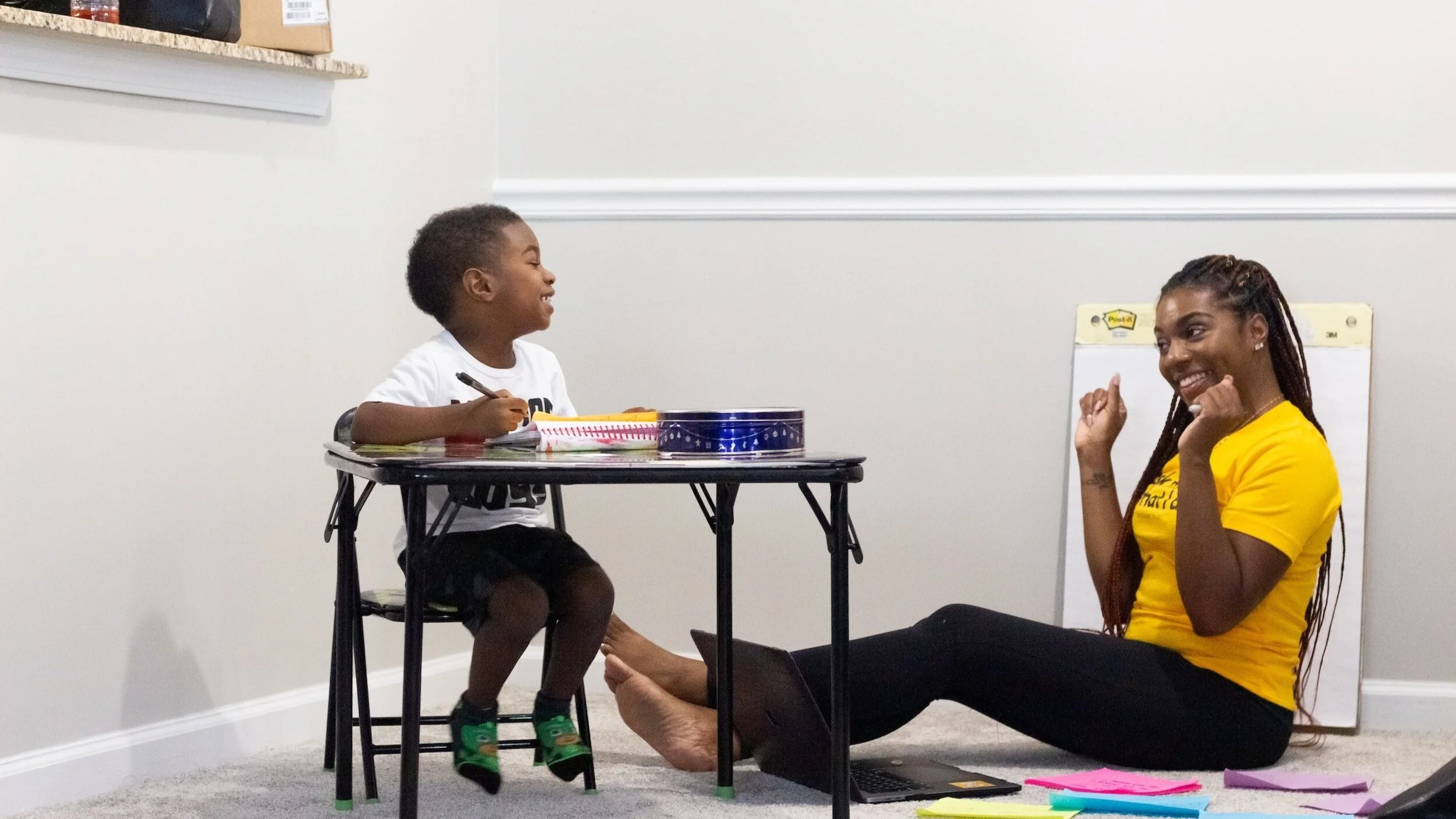
Big Questions About The World Of Work
From a very early age, kids are curious about what it means to work. As we’ve seen over the past few years, the definition of and attitude toward work have changed a great deal. Chances are, a lot of our kids will make their living in careers that don’t yet exist.
So, why not make work a topic of conversation with your kiddo?
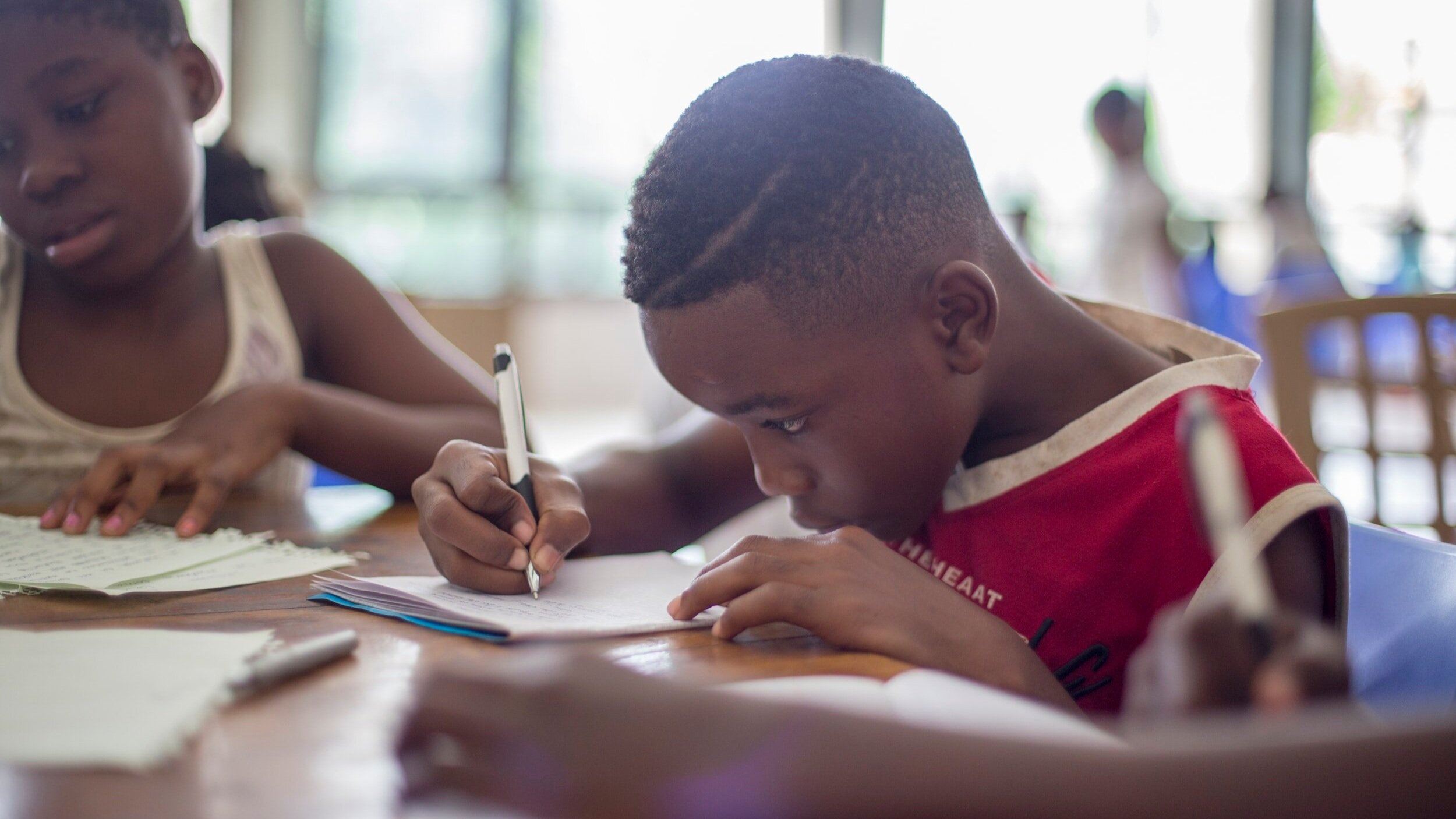
Thinking Our Way Back To School
School is a big deal, and rather than making it a source of nerves, why not make it something to explore and discuss? As is the case for many things, kids get a kick out of peeking behind the curtain and digging a little deeper into education. It might even motivate and empower them as learners, help them find their place in their school and get the most out of the coming year.

Helping Your Child Understand the Why of Emotions
There’s no quick fix when it comes to regulating our emotions, and maybe that’s a good thing. Taking time to slow down, reflect, and discuss could give you and your little thinker an amazing opportunity to really understand not just what they’re feeling, but why they’re feeling it. A child’s emotional intelligence deserves and requires time, effort and exploration, and not just management techniques.

How To Set An Example As A Thinker
Do all the regular things you’re supposed to do as examples for your kid. Eat your vegetables, bathe regularly, get some sleep, and mind your manners. Just don’t forget, on a regular basis, to model being a thinker. They’ll thank you for it later.

Raising The Right Kind of Rebel
Kids are wired to question, to ask “why”, to challenge ideas and decisions. It’s not the easiest part of parenting, but if we play our cards right, we can channel this drive into something productive, something that will help our kids to be better thinkers, and better citizens of the world.

What’s Summer For?
They’re all good uses of two months off, but it’s really important to note that for a kid, learning doesn’t stop when school finishes. They may not be keen to do math worksheets and grammar exercises, but they do eventually (sometimes quickly) get bored if they aren’t kept engaged and thinking. Summer is the perfect time to brush up on and build thinking skills, and your kid doesn’t even have to know they’re doing it.

Kids and Filters
What we need is filters for our kids, ways for them to determine what’s useful, appropriate, and accurate. We need them to be picky about the information they accept and consume.

Big Questions About Our Environment
These questions are big and complex, but as is the case with most philosophical quandaries, kids tend to see them as a challenge, and an opportunity to be included in something important. At some point, every child will realize that they and their peers will be responsible as stewards of our planet. Why not empower, inform, and involve them at a young age, so they can grow into this vitally important role?

Life’s Not Fair, But It Does Bring Some Amazing Big Questions.
Instead of simply telling a child “Life’s not fair”, why not start a dialogue, and encourage some critical thinking? Here are some ways in:
Big Questions To Welcome Spring
Okay, there’s still snow on the ground in some places, but spring is officially here! It’s a time for newness, for awakening, and there’s no better way to celebrate with a little thinker than playing with some really fun spring-themed big questions.

When Ignoring Is A Useful Skill
Critical thinking is one of the most important skills you foster in a kid. You could even go as far as saying it’s a survival skill for the 21st century. However, given the sheer volume of information floating around out there (and given the fact that the pile keeps getting bigger), critical thinking on its own may not be enough anymore.

Thinking About Thinking, With Little Thinkers
It seems like such a big, complicated topic, because it is. Thinking about how, when, where, what and even why we think is one of the more complex things we can ponder. It’s also one of the most important, and yes, it is doable with kid thinkers too.

How To Help A Little Thinker Fall In Love With Big Questions
Ask pretty much any parent, particularly those with small children, and they’ll tell you as much. What parent hasn’t been ambushed by a million bouts of “why”? Who hasn’t been minding their own business, going about their daily tasks, only to have the little in their house hit them with a truly difficult question for which there is no easy answer (if there’s any answer at all)?

When To Stay Quiet
Grab a cup of tea, put your feet up, throw out a big question, and (with sincerity) ask “What do you think?” In this case, silence is gold

How To Raise A (Not Too) Skeptical Kid
Kids have never been privy to so much at such an early age as they are now, and they very badly need to know how to filter and find what’s true, what’s important, what’s helpful, and pass on things that are just interesting. They need to know when and how to act on this information.

Too Much Holiday Screen Time?
Your kids’ extra screen time doesn’t have to be a source of guilt or a disaster. If your kids go for quality over quantity, there are fun and enriching ways to turn television, movies, games, and apps into learning opportunities.

How To Keep Kids Busy (And Thinking) During The Holidays
Ah, the holidays… visits from family and friends, sumptuous meals, thoughtful gifts, and for many families, a whole lot of time with kids who would ordinarily be busy at school. How does a parent with an already-hectic schedule keep little hands occupied, while keeping young minds supple and ready to go back to class in the new year?
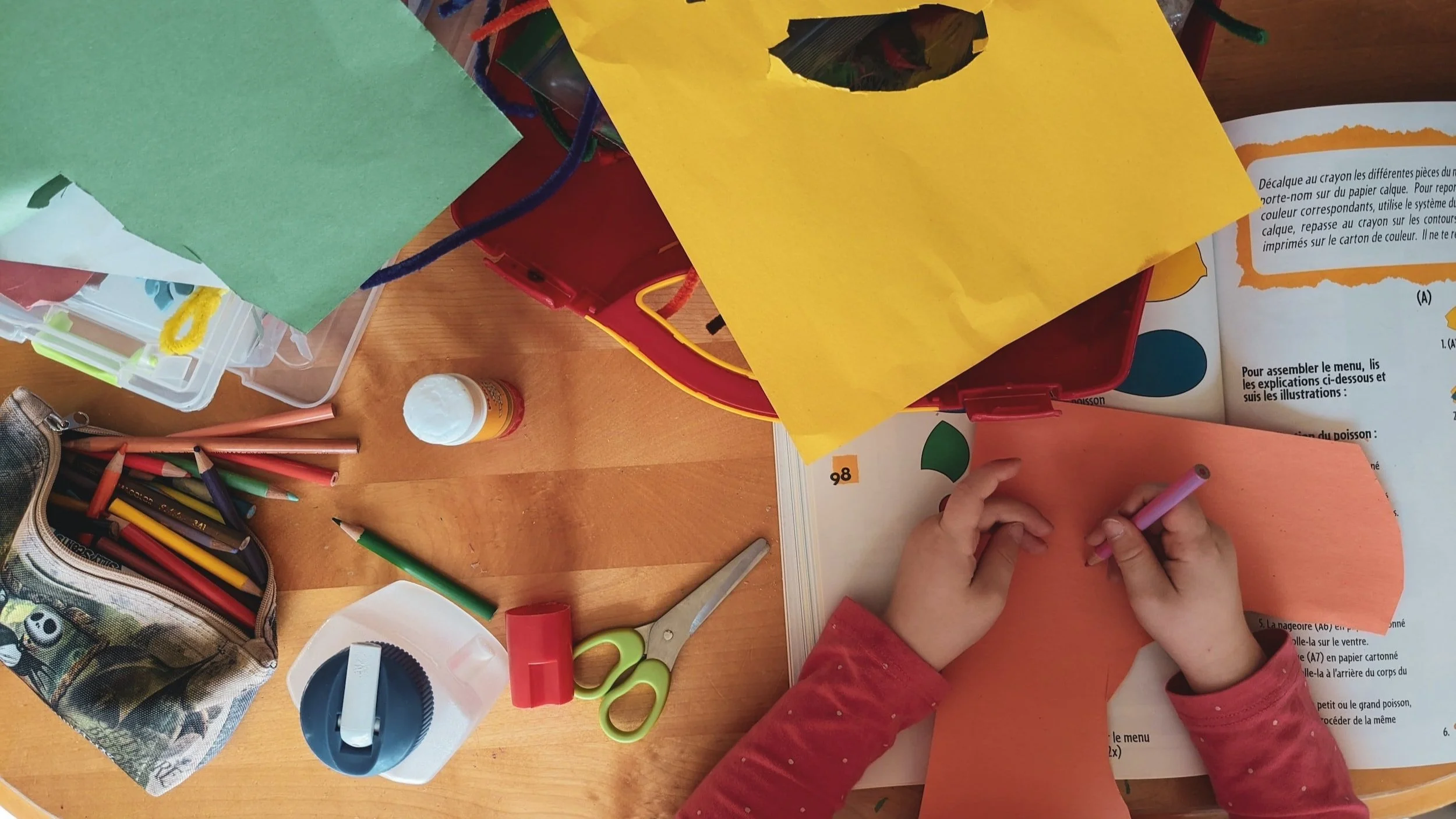
Big Questions for A Variety of Learners
Philosophy may have a reputation for being all about essays and debates, but when it comes to young thinkers, it needn’t be limited to just one or two avenues of learning. There are as many ways to approach big questions as there are children to ask them.

How To Give Your Kid The Ultimate Experiential Gift
Experiences outrank simple stuff any day of the week (or any time of the year). They tend to stick better than the latest toy trends, and they have more widespread, lasting benefits to a child. We’d like to humbly suggest that this year, you give your child something that really will keep on giving: philosophical dialogue.

Taking On Big Questions With Reluctant Readers
It’s surprising how the right big question, asked in an engaging manner, and discussed in a safe learning environment, will inspire a young learner to participate.