


Big Questions For Winter Fun
The season of snow has begun, and holidays are just around the corner! As we tiptoe (or stomp) into winter, there are so many opportunities to engage little thinkers in some big thinking.

Nurturing Curiosity In Young Thinkers
It really doesn’t take much to spark curiosity in a kid. They spend their days lit up with questions and quandaries, and aren’t afraid to share and explore. It’s this drive and enthusiasm that helps them develop and navigate the world.
It’s also what makes them natural philosophers.
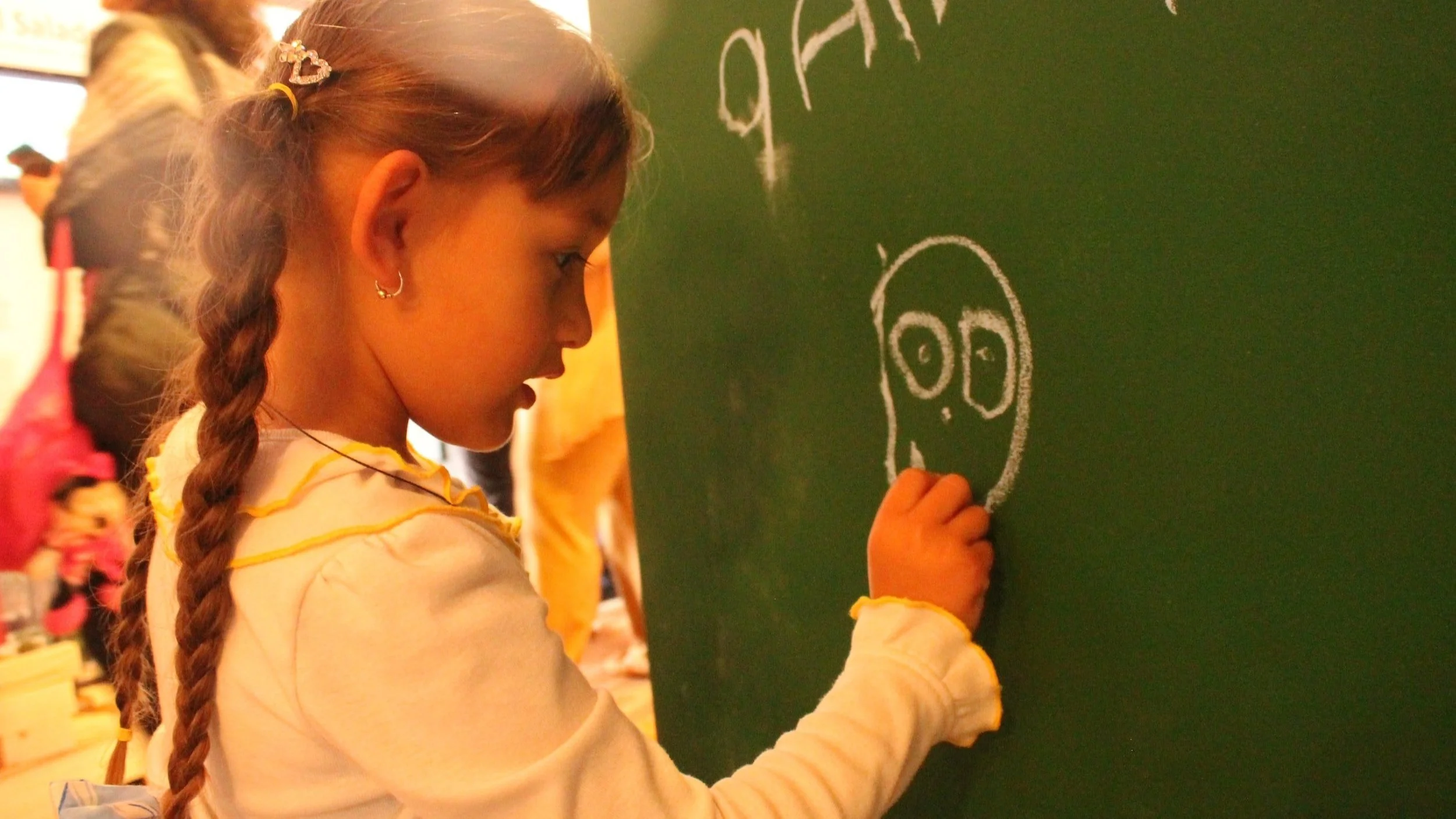
World Philosophy Day Challenge
Yes, even philosophers have a special day, and this is it!
Today, we celebrate the asking of big questions, the curiosity behind them, and the patient and creative stream of thought with which we work through them. Around these parts, we also celebrate the little thinkers who seem to effortlessly embrace philosophy, and the big thinkers who encourage them.

Racism and The Problem of “Other”: How To Think Through Both With Your Kid
It’s never too early to start talking about racism, or any kind of discrimination, with your child. There are ways to approach it in an age-appropriate way that will open up dialogue and have a lasting, positive impact.

What Is An Argument, Anyway?
Philosophy is all about presenting an argument, but a specific type of argument. It’s not about the angry, shouty kind of argument, but rather about the kind where you present an idea, give reasons to back it up, and prepare to look for other ideas that may mean you need to re-valuate it. The angry, shouty kind lets us blow off steam, but it doesn’t get us any closer to figuring things out or understanding one another.
Why It’s Okay To Play (Or Just Be) A Fool In Front Of Your Kids
Why, as parents, do we have such a hard time looking like fools in front of our kids? Why, after centuries of wise fools, haven’t we embraced the notion that sometimes, in order to dig out important ideas, we might have to be a little foolish ourselves?

Thinks Well With Others: How Philosophy Encourages Collaboration
Their reality includes social media, interactive learning, and the expectation that they’ll be innovative in their way of thinking. All of these things hinge on being able to not just coexist, but to thrive as a group.
As luck would have it, doing philosophy with your kids can help with this vital skill.

Philosophy With Kids: A Celebration of Weird
Weird changes things. It makes new things happen.
It’s also a pretty good description of how little thinkers function.
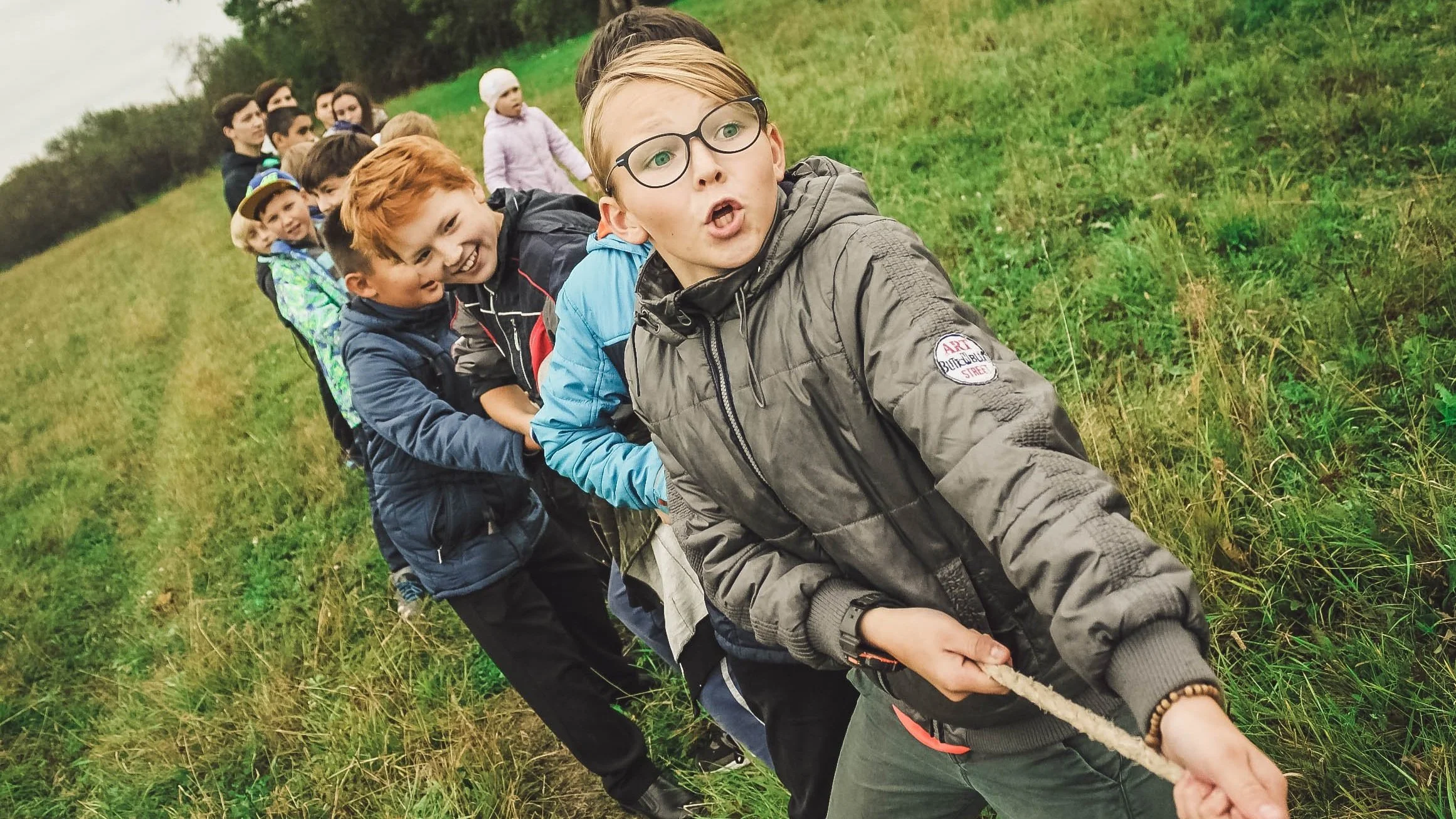
If Ever There Were A Time To Discuss Politics With Kids…
It’s a subject that can make even a mature adult’s palms sweaty, and on the surface, it seems like the last thing anyone would want to bring up with their child. However, not only can you have a productive and engaging political chat with your young thinker, but you really should.

Why It’s Important To Introduce Your Kid To Famous Thinkers From History
Historically speaking, philosophy is just jam-packed with amazing thinkers with fascinating ideas (and fascinating lives). It would be such a shame for little thinkers to miss out on this veritable banquet of thinking just because we assume they’re too little.

Big Questions For Little Leaders
Perhaps your little thinker has shown leadership potential (and we don’t mean just the average bossiness). Perhaps they haven’t, but you still want them to understand the concept, so they can choose their leaders more effectively. Leadership is an important subject for any child, for a number of reasons, and one that’s actually fun to discuss.

Philosophy Gives Literacy A Boost
There is no greater source of interesting and captivating ideas than philosophy. Even small children have strong opinions about philosophical issues, as well as a drive to be heard, and an interest in hearing new and novel viewpoints.

Back to School, Back To Thinking
With the new school year approaching (or already started, in some cases), it’s time to double down and really get your kids back into thinking shape. Even if it was a summer of sleeping in, video games, and blockbuster movies, there are still ways to hit the ground running once your child is back in the classroom.

Big Questions For Summer Road Trips
Got a summer road trip planned this month? Are you packed and ready to go? Are you ready to hear the words “Are we there yet?” Your destination is going to be a lot of fun, but sometimes it’s not as much fun to get there. Why not pass the time with a couple of games to keep your kid’s minds buzzing?
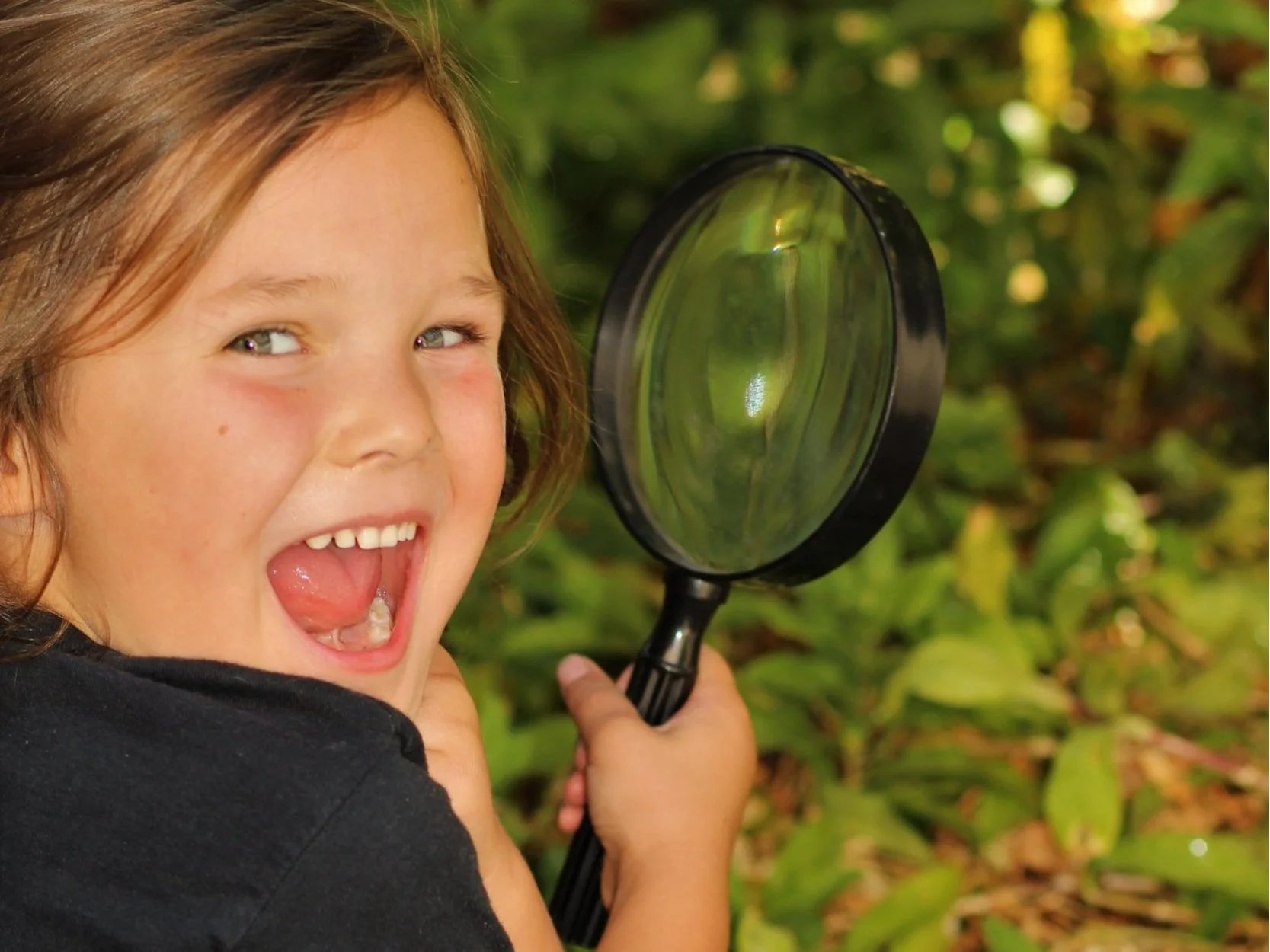
The Truth About The Truth
Little thinkers are curious beyond measure, but don’t necessarily have the filters in place to separate the good from the bad. Let’s face it, a lot of us big people are still learning how to navigate the information age ourselves.

Go Ahead, Argue With Your Child.
Admittedly, the idea of teaching a child to argue seems strange. Along with eating, moving, and occasionally napping, disagreeing appears to be second nature to a small person. Something we don’t always think about as big people is the fact that an argument, at least a good one, is much more than just disagreement or opposition. It’s a way to rationally present a point of view, and more importantly, back it up with solid reasons. It’s a way to communicate and test ideas objectively. If this sounds like something that’s beyond a child’s capabilities, reconsider.

Some Big Questions About Beauty
Talking about art and beauty with your little thinker will not only help them to develop skills in critical thinking and communication, but it will remind both of you that even in weird, tough times, there are still beautiful things to see, make and appreciate. That’s a boost we could all use right now.

Another Important Reason to Read To/With/Near Your Kids
Reading with your kids not only helps them grow into better readers, but also into better thinkers. Diving into a good book helps to make children aware of other perspectives and possibilities, and it also opens the door for discussion of big questions and complex issues.

Talk To Your Kids About Life Online: 5 Big Questions To Get You Started
Setting rules for use, including when, where, what and for how long is both appropriate and necessary, but is it enough to help digital natives really understand the virtual aspects of their lives?
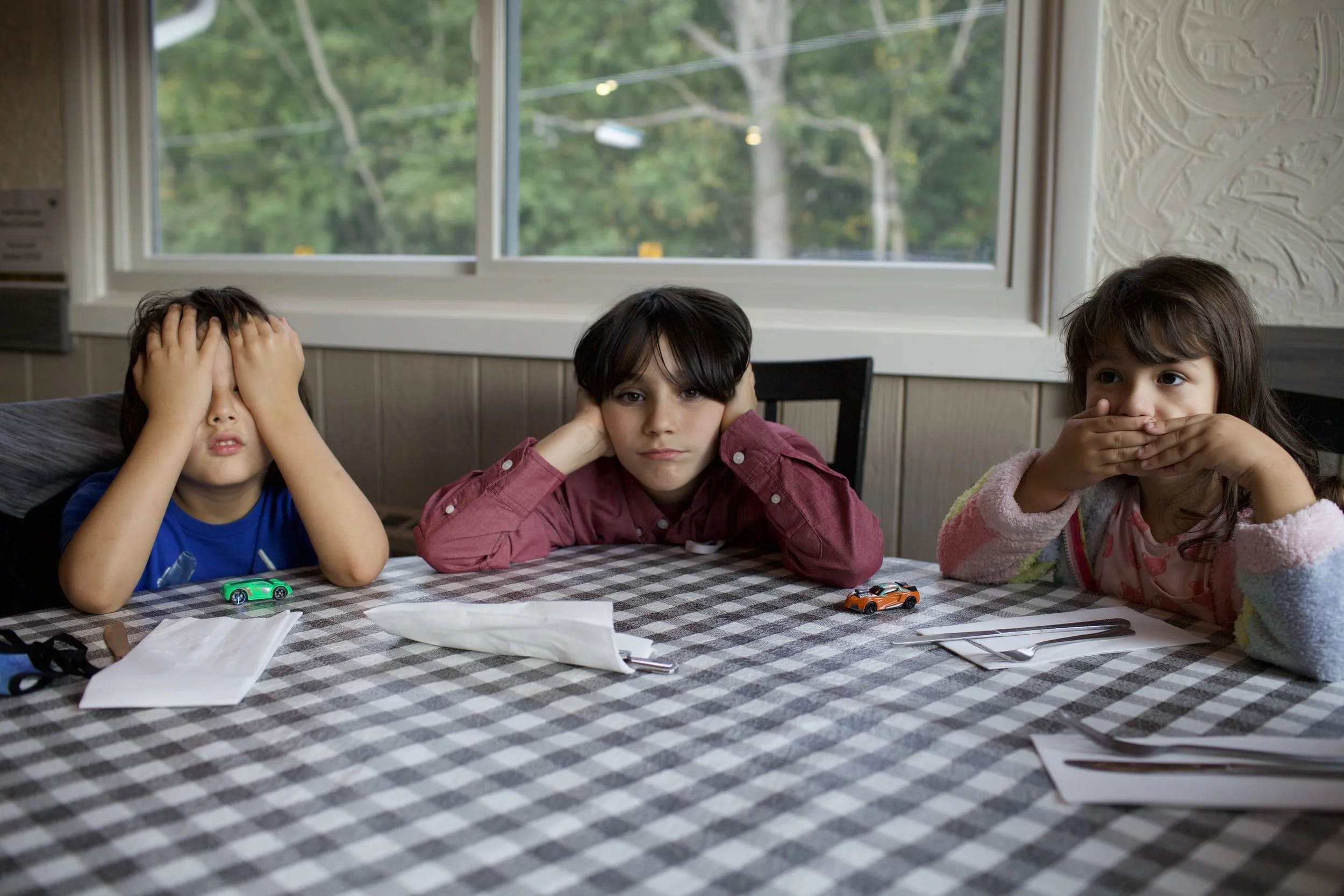
What is an argument, anyway?
Philosophy is all about presenting an argument, but a specific type of argument. It’s not about the angry, shouty kind of argument, but rather about the kind where you present an idea, give reasons to back it up, and prepare to look for other ideas that may mean you need to re-valuate it.