

How To Help Your Child Understand the Value of the Humanities
Our kids need to be well-rounded, adaptable, and innovative in order to thrive in this our current circumstances. They need social-emotional intelligence and global awareness, as well as the ability to question and problem-solve. Fostering an appreciation and fondness when our kids are little means that they’ll be more likely to keep at least a toe or two dipped in the humanities as they grow, so they can enjoy the benefits.
Taking Little Thinkers From “Me” To “We”
Right about now, it seems as though empathy, compassion and connection are in short supply. If there’s a way to help our kids keep these things at the front of their minds, why not make it a priority? If it helps us grown-ups to recapture some of our sense of “we”, then all the better!
The Importance of Changing Our Minds
Changing our minds is about being open to new ideas or ways of doing things. It’s being curious and flexible enough to give new ideas a chance, while still being critical and skeptical before accepting and adopting them. Changing our minds involves being nimble, adaptable, and willing to see and evaluate all kinds of possibilities. It’s knowing when it’s justified to hold onto something, and when it’s necessary to let go of it.

Talking Peace with Kids
Peace is something we long for all year round, really, but it seems to be baked into the holiday season. With current world events, it’s even more prominent in our minds, and at times like these, it feels like it’s in short supply. If it’s difficult for an adult to get their head around a huge concept like peace, we can imagine how a kid feels.

Is The World Too Much For A Little Thinker?
Most kids are grateful for and enthusiastic about being included in important conversations. They can handle difficult information if it’s presented in the right way. The long and the short of it is that kids don’t just want to know, they need to know.

5 Things No Thinker (Even A Big One) Should Be Afraid Of
Our kids seem fine with them, even delighted by them. Well, we’re supposed to be the smart ones, the ones in charge, the ones who always know what’s what and what to do. That’s an awful lot of pressure, and perhaps an unattainable goal. Maybe we should open ourselves up as thinkers, give ourselves a break, and set an example for our littles. And maybe wonderful adventures in thinking will happen.
Big Questions About The World Of Work
From a very early age, kids are curious about what it means to work. As we’ve seen over the past few years, the definition of and attitude toward work have changed a great deal. Chances are, a lot of our kids will make their living in careers that don’t yet exist.
So, why not make work a topic of conversation with your kiddo?
Thinking Our Way Back To School
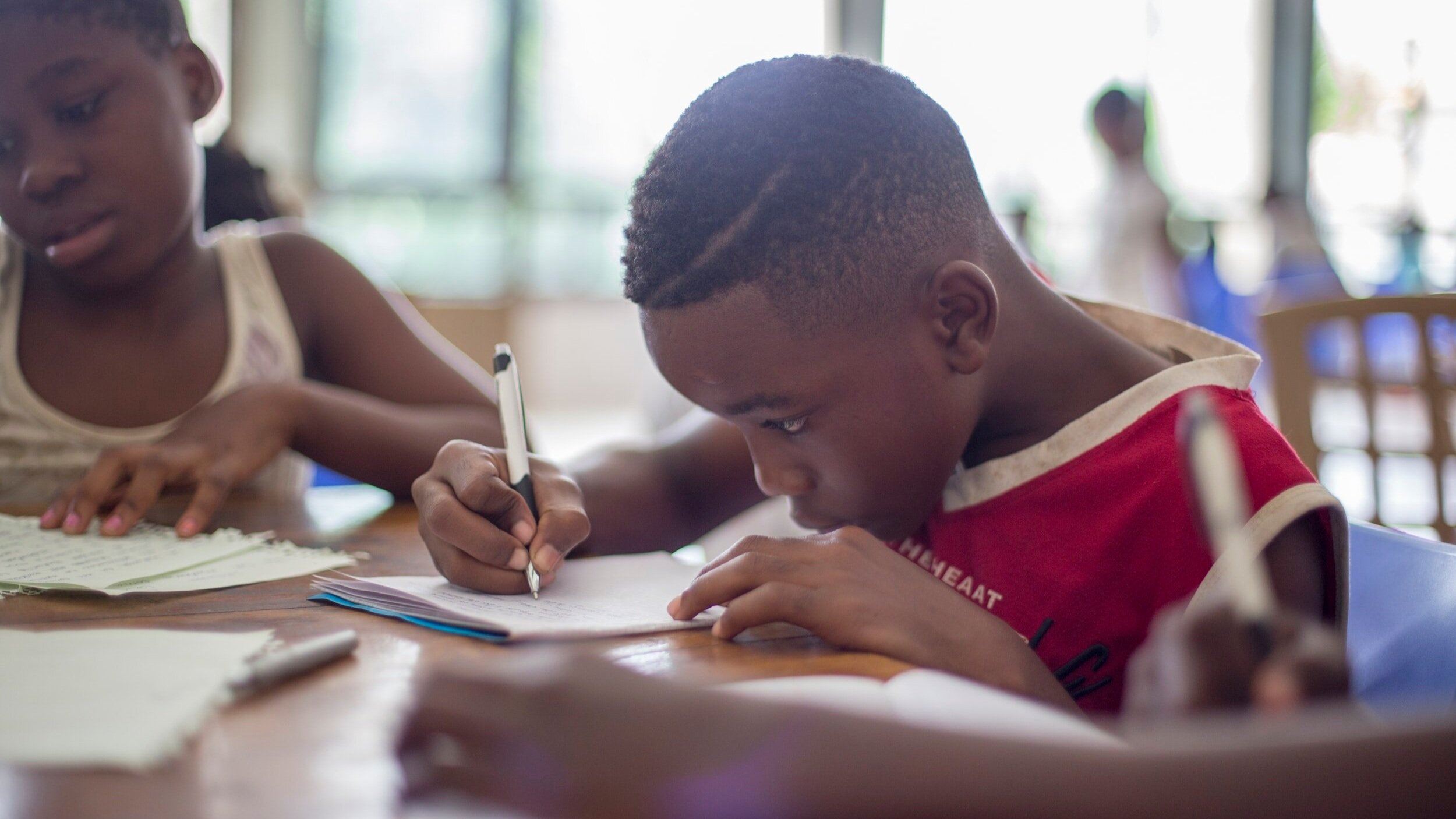
School is a big deal, and rather than making it a source of nerves, why not make it something to explore and discuss? As is the case for many things, kids get a kick out of peeking behind the curtain and digging a little deeper into education. It might even motivate and empower them as learners, help them find their place in their school and get the most out of the coming year.
Helping Your Child Understand the Why of Emotions
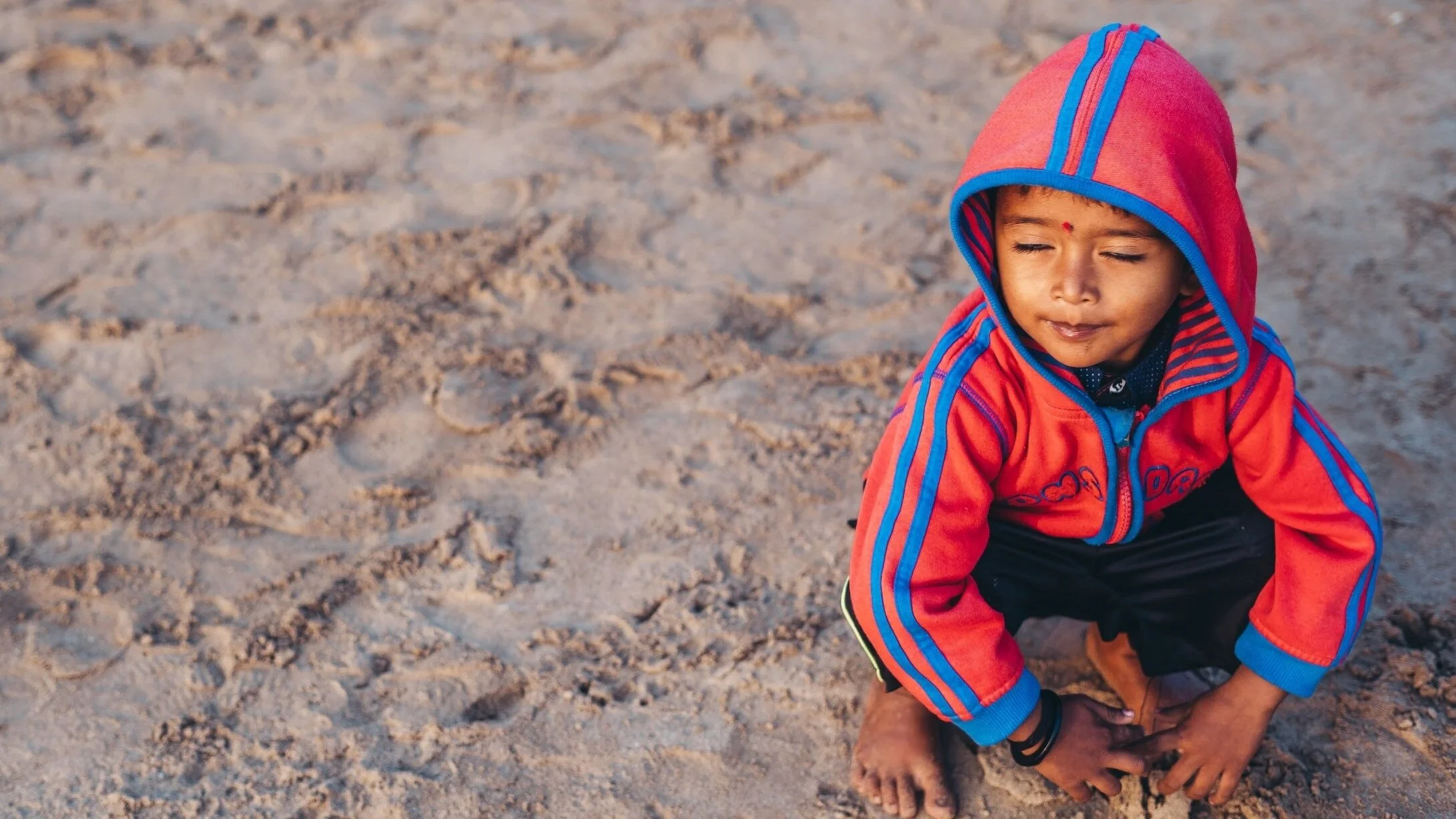
There’s no quick fix when it comes to regulating our emotions, and maybe that’s a good thing. Taking time to slow down, reflect, and discuss could give you and your little thinker an amazing opportunity to really understand not just what they’re feeling, but why they’re feeling it. A child’s emotional intelligence deserves and requires time, effort and exploration, and not just management techniques.
How To Set An Example As A Thinker
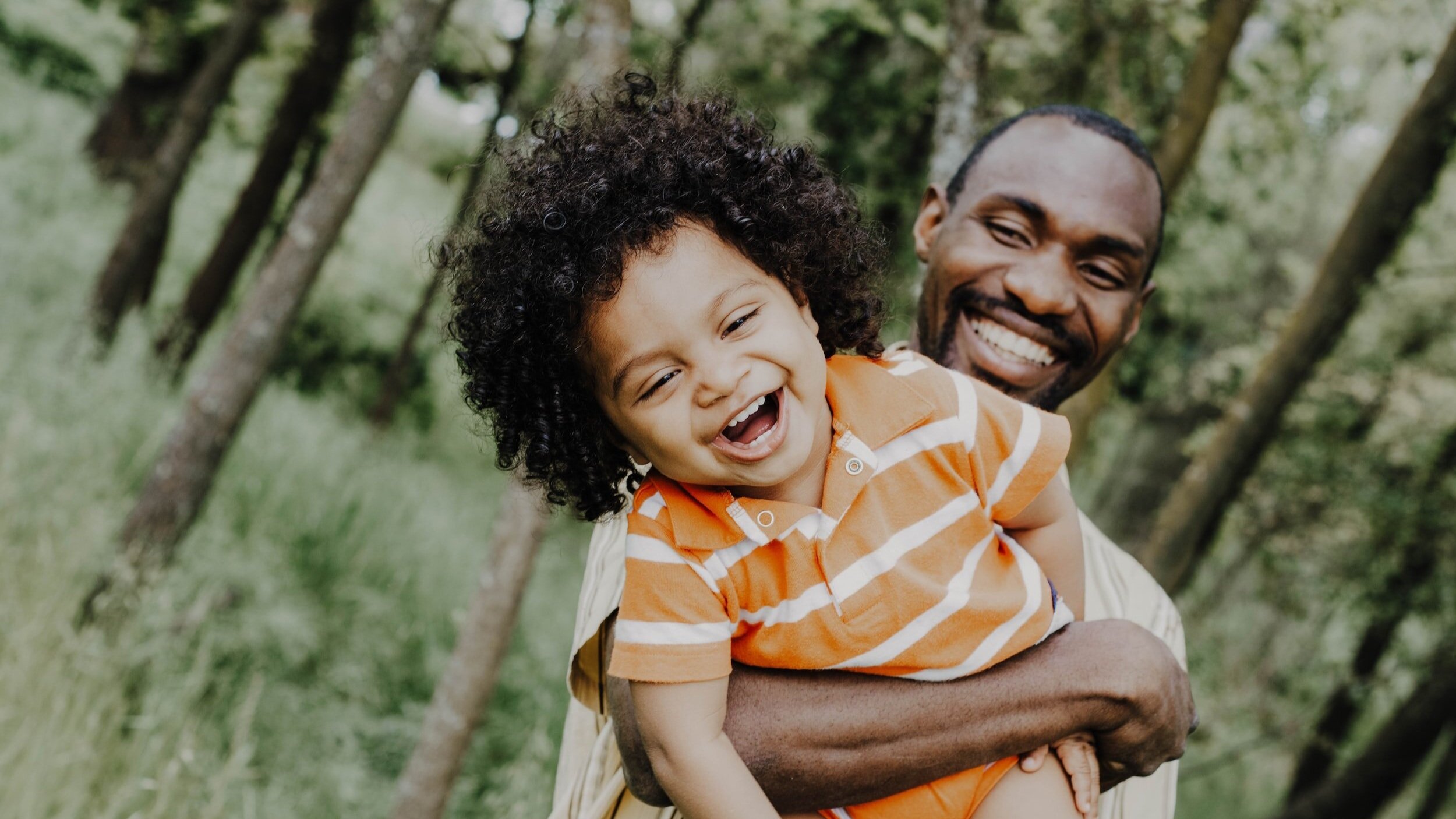
Do all the regular things you’re supposed to do as examples for your kid. Eat your vegetables, bathe regularly, get some sleep, and mind your manners. Just don’t forget, on a regular basis, to model being a thinker. They’ll thank you for it later.

Raising The Right Kind of Rebel
Kids are wired to question, to ask “why”, to challenge ideas and decisions. It’s not the easiest part of parenting, but if we play our cards right, we can channel this drive into something productive, something that will help our kids to be better thinkers, and better citizens of the world.

What’s Summer For?
They’re all good uses of two months off, but it’s really important to note that for a kid, learning doesn’t stop when school finishes. They may not be keen to do math worksheets and grammar exercises, but they do eventually (sometimes quickly) get bored if they aren’t kept engaged and thinking. Summer is the perfect time to brush up on and build thinking skills, and your kid doesn’t even have to know they’re doing it.
AI And Little Thinkers?
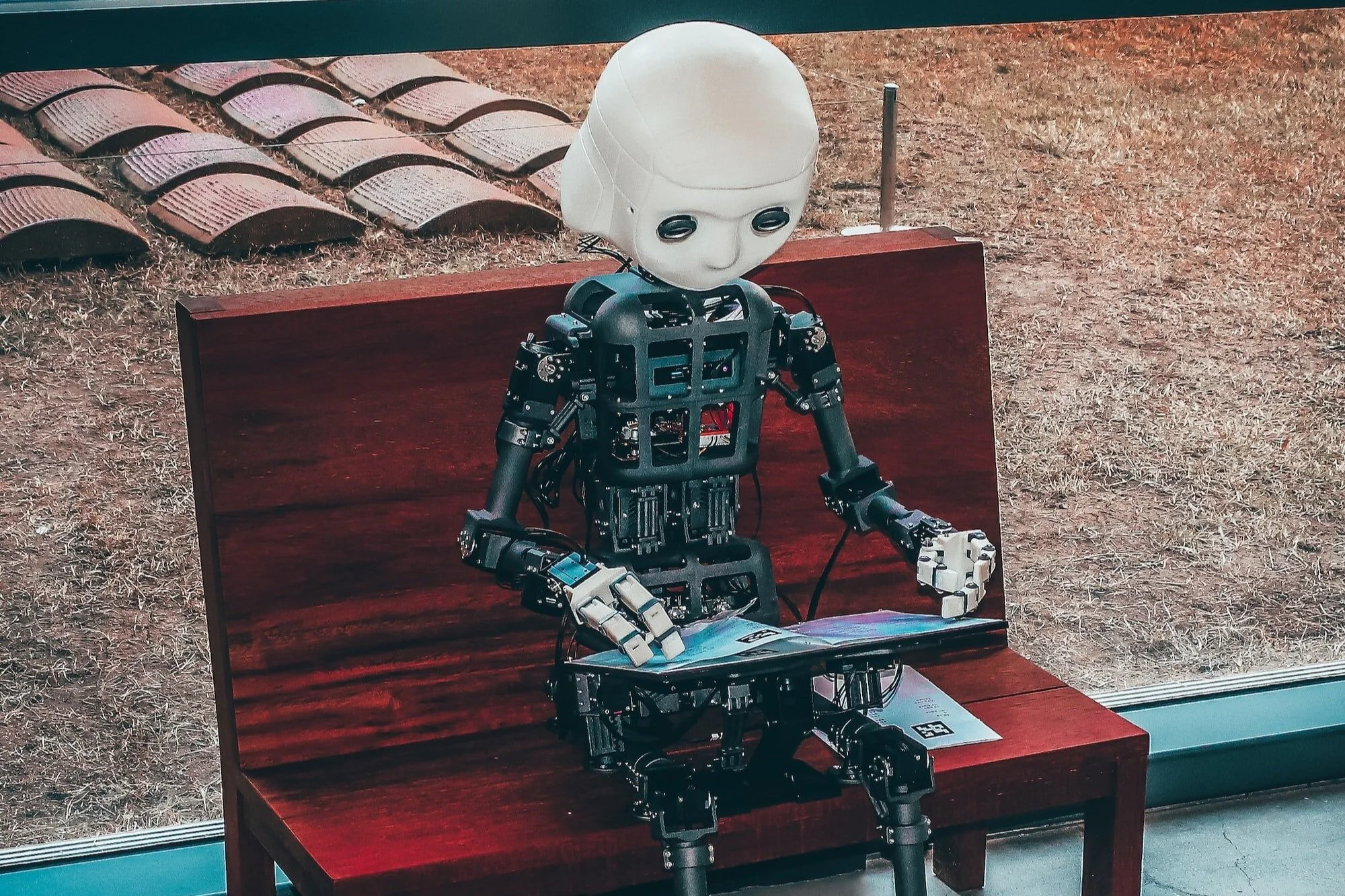
It’s a big deal, and it’s kind of come in fast and furious, so it’s natural (and advisable) for parents to ask “How is this going to affect my kid as a learner?”

Kids and Filters
What we need is filters for our kids, ways for them to determine what’s useful, appropriate, and accurate. We need them to be picky about the information they accept and consume.
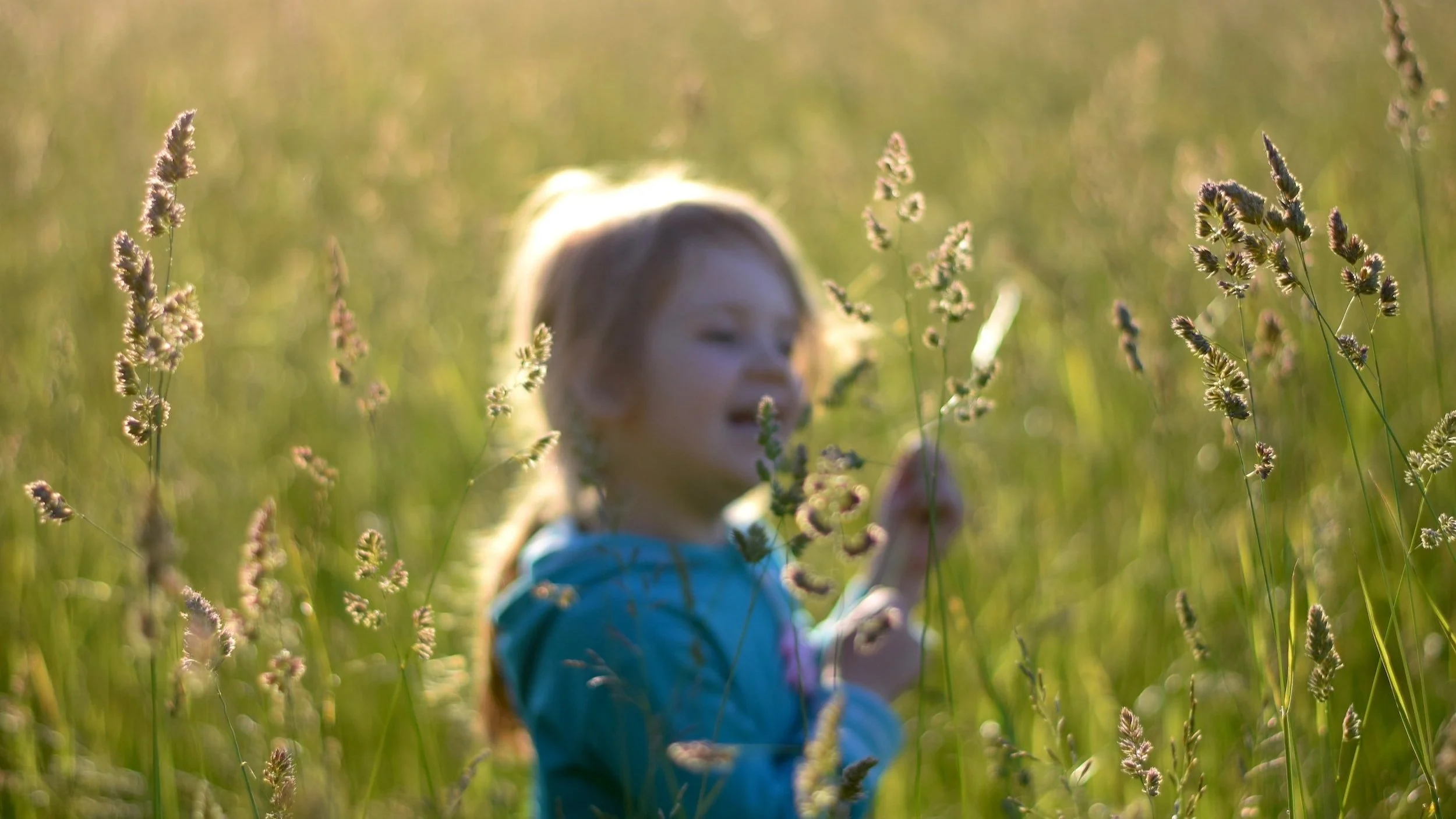
Designing the Pasture Vs. Designing the Sheep
We can create loving, safe environments in which they feel comfortable and free to explore and learn. Then, we can get out of their way and let them do their thing.
We’d like to think that doing philosophy with kids is very much part of providing that kind of “pasture”.
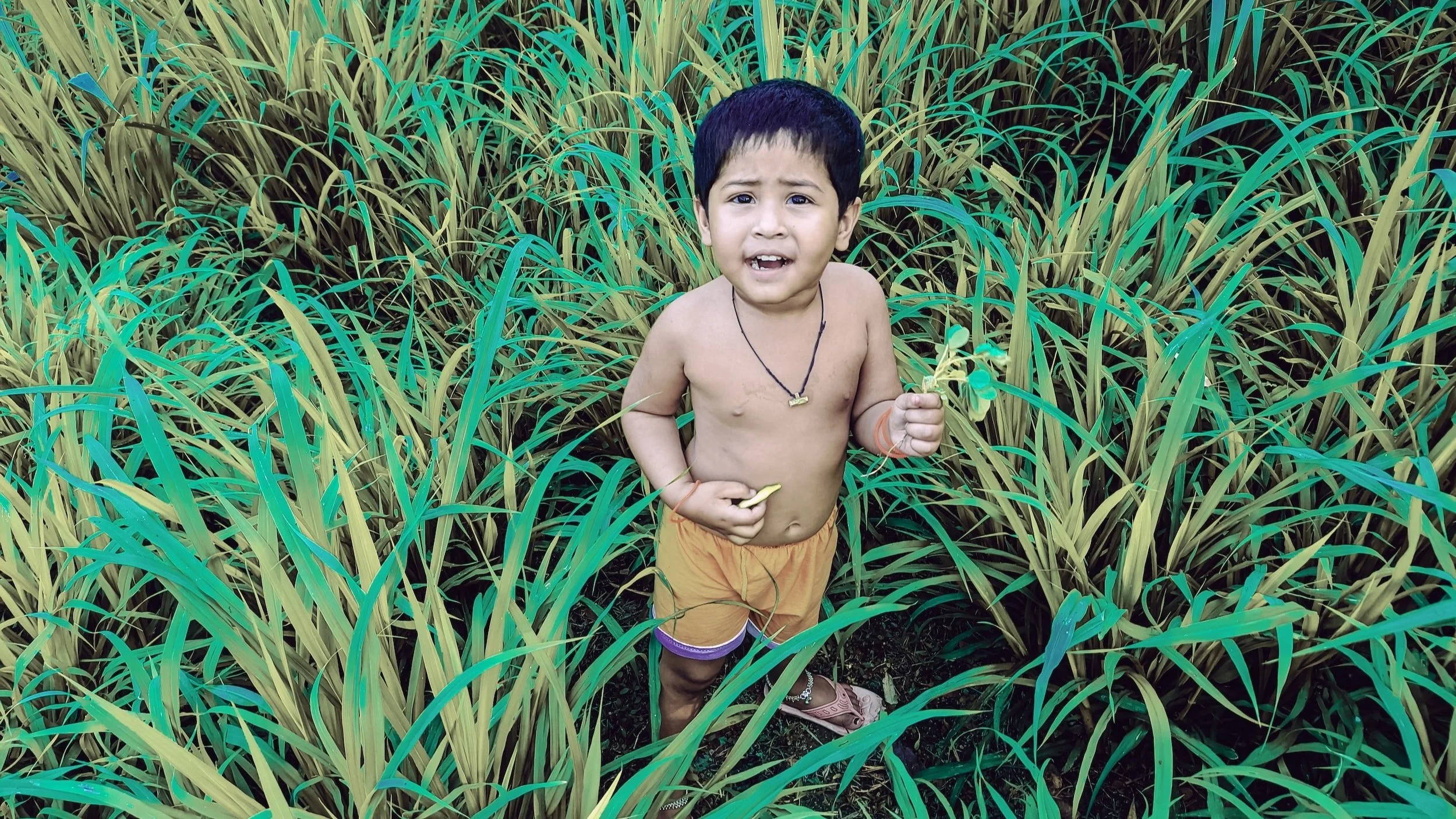
Big Questions About Our Environment
These questions are big and complex, but as is the case with most philosophical quandaries, kids tend to see them as a challenge, and an opportunity to be included in something important. At some point, every child will realize that they and their peers will be responsible as stewards of our planet. Why not empower, inform, and involve them at a young age, so they can grow into this vitally important role?

My Kid Doesn’t Read.
There’s no such thing as a typical kid, and maybe we should start thinking of literacy in similar broad terms. There are multiple paths into literacy right now, and we’d like to give a high five to any kid who finds one that’s comfortable and sustainable.
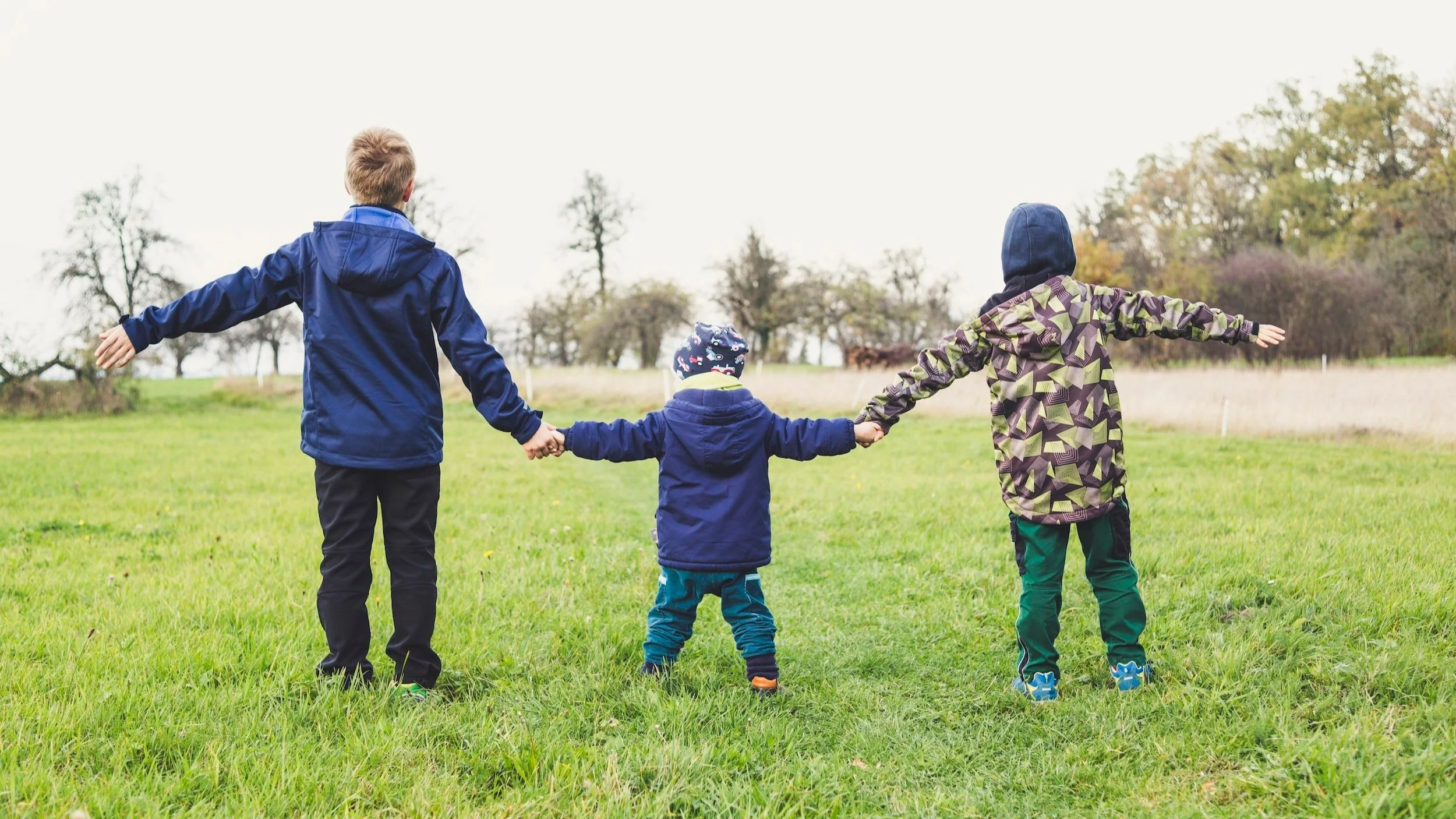
Life’s Not Fair, But It Does Bring Some Amazing Big Questions.
Instead of simply telling a child “Life’s not fair”, why not start a dialogue, and encourage some critical thinking? Here are some ways in:
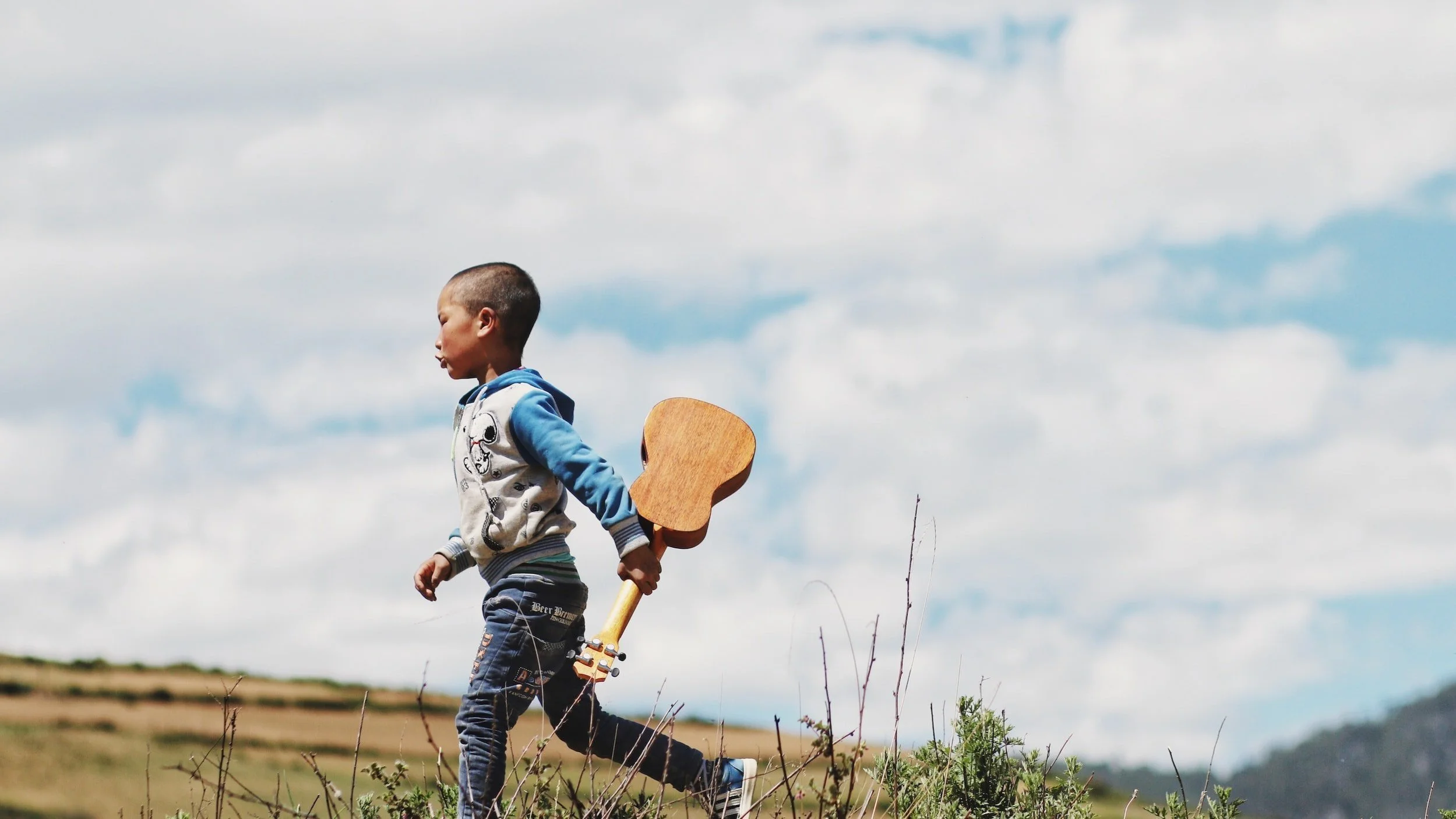
Big Questions To Welcome Spring
Okay, there’s still snow on the ground in some places, but spring is officially here! It’s a time for newness, for awakening, and there’s no better way to celebrate with a little thinker than playing with some really fun spring-themed big questions.

Big Questions In Honour Of Her
There may only be one International Women’s Day, but you don’t have to wait until it comes around to take on big questions with a little thinker. Wonderful conversation and the critical thinking skills that result from it are always reason to celebrate.