

Well, What Does She Think?
The more we look, the more we find, and the bigger the thinking community (past and present) becomes.
Women’s History Month is a fantastic time to start exploring these historical thinkers with your child, but it’s really meant to be a year-round pursuit.
Thinking About Thinking, With Little Thinkers
It seems like such a big, complicated topic, because it is. Thinking about how, when, where, what and even why we think is one of the more complex things we can ponder. It’s also one of the most important, and yes, it is doable with kid thinkers too.

How To Help A Little Thinker Fall In Love With Big Questions
Ask pretty much any parent, particularly those with small children, and they’ll tell you as much. What parent hasn’t been ambushed by a million bouts of “why”? Who hasn’t been minding their own business, going about their daily tasks, only to have the little in their house hit them with a truly difficult question for which there is no easy answer (if there’s any answer at all)?
When To Stay Quiet
Grab a cup of tea, put your feet up, throw out a big question, and (with sincerity) ask “What do you think?” In this case, silence is gold
Grown Up Thinkers Deserve A Little Philosophy Too
We’d like to remind parents, caregivers and teachers: you deserve this feeling too, this comfort, this connection. You deserve to be able to admit you don’t know. You deserve to have time and space to ask big questions, and to bond with others through dialogue. You deserve to the security of knowing that, like the many, many humans before you who have lived through trying circumstances, that there are ways to think your way through things, to come out on the other side with even bigger and better ideas.
Kids, Philosophy, And Patience
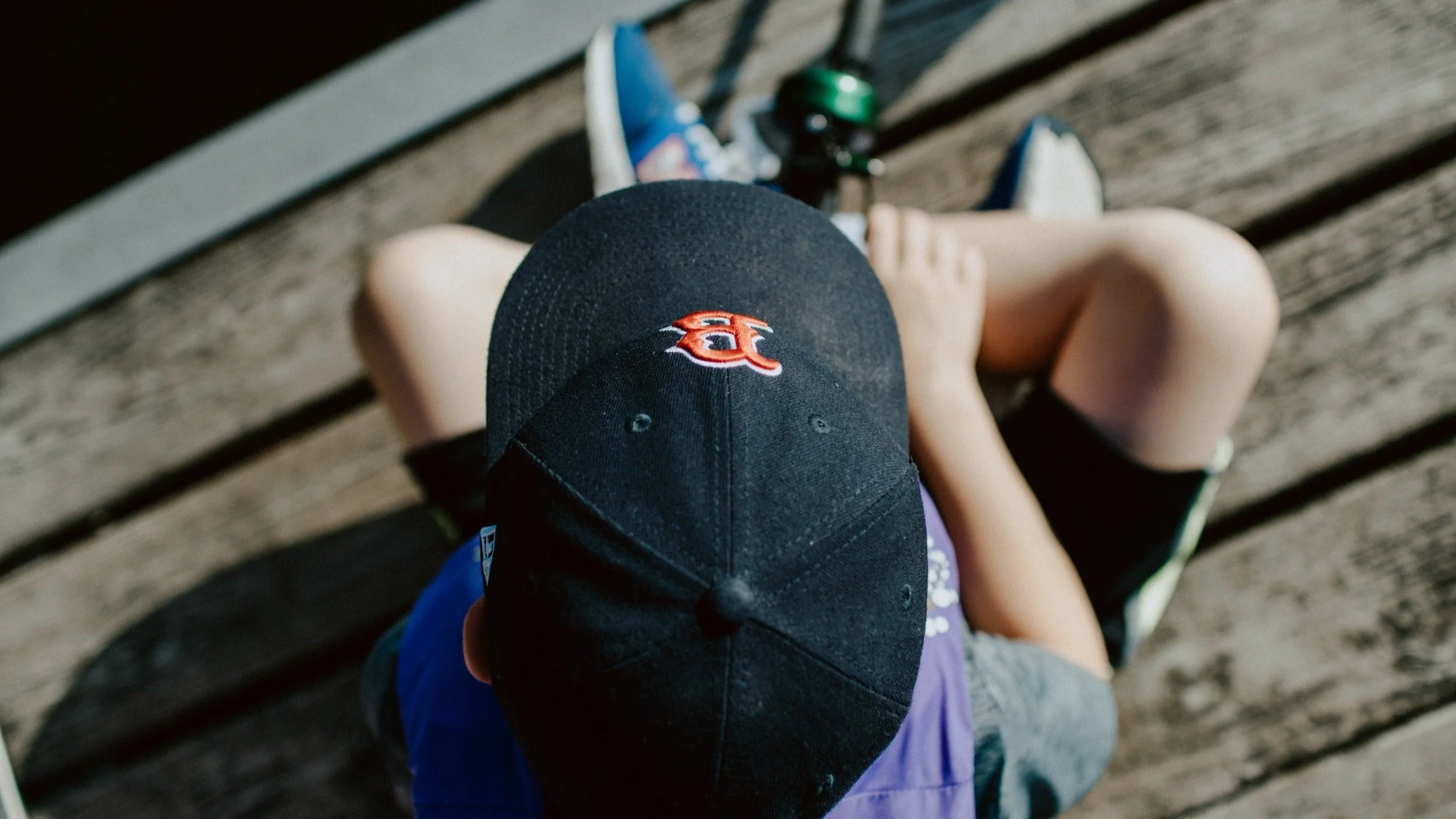
Philosophy encourages the development of many 21st century skills and promotes social-emotional learning. The development of patience is a benefit that shouldn’t be overlooked. Whose kid couldn’t use a few moments to sit and reflect now and then? Whose kid wouldn’t benefit from a break from the frantic speed of their current lifestyle? What adult, for that matter, wouldn’t like to take a breath and slow down every so often?
How To Raise A (Not Too) Skeptical Kid
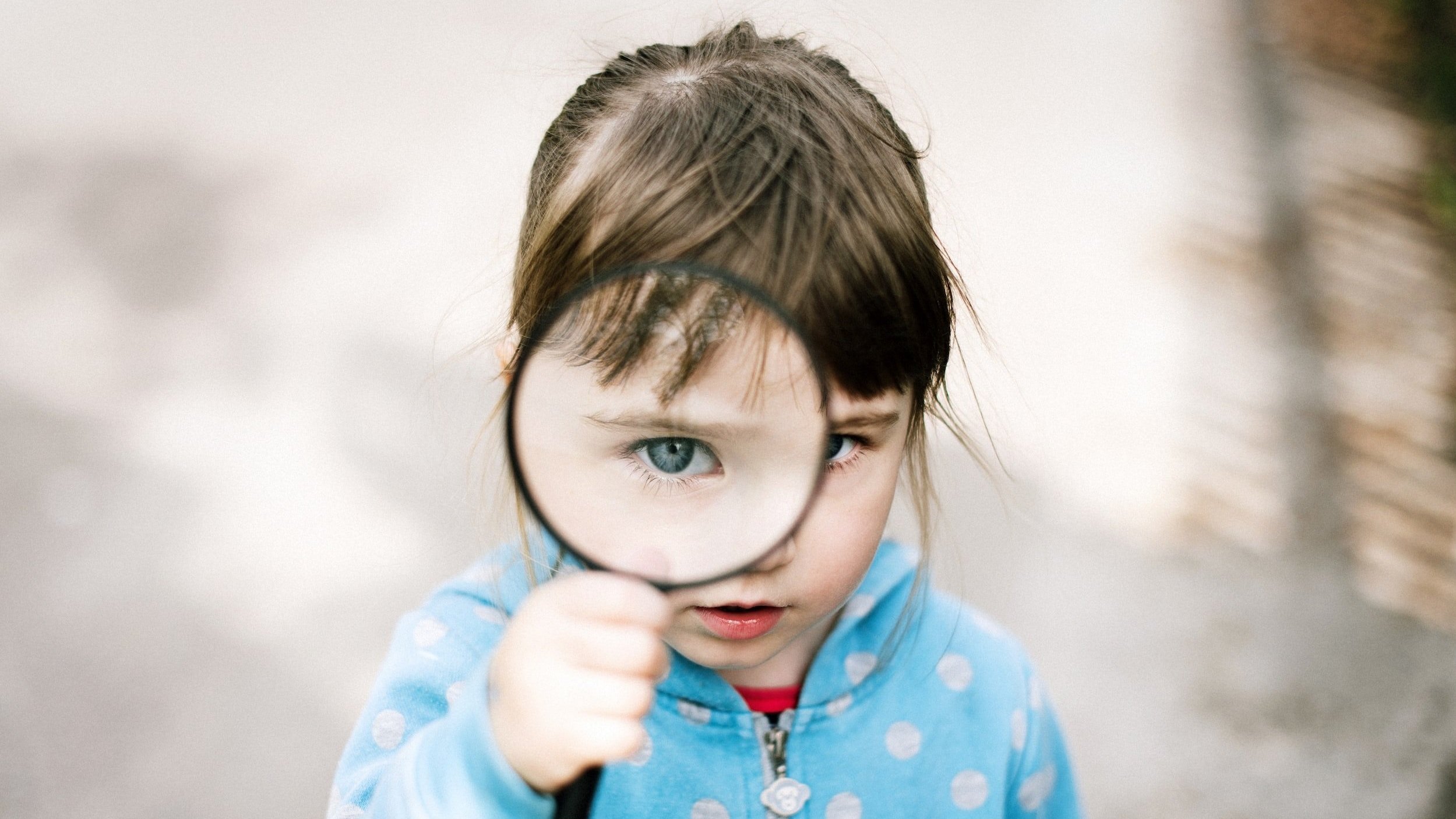
Kids have never been privy to so much at such an early age as they are now, and they very badly need to know how to filter and find what’s true, what’s important, what’s helpful, and pass on things that are just interesting. They need to know when and how to act on this information.
Don’t Be Afraid Of The Critical Part of Critical Thinking
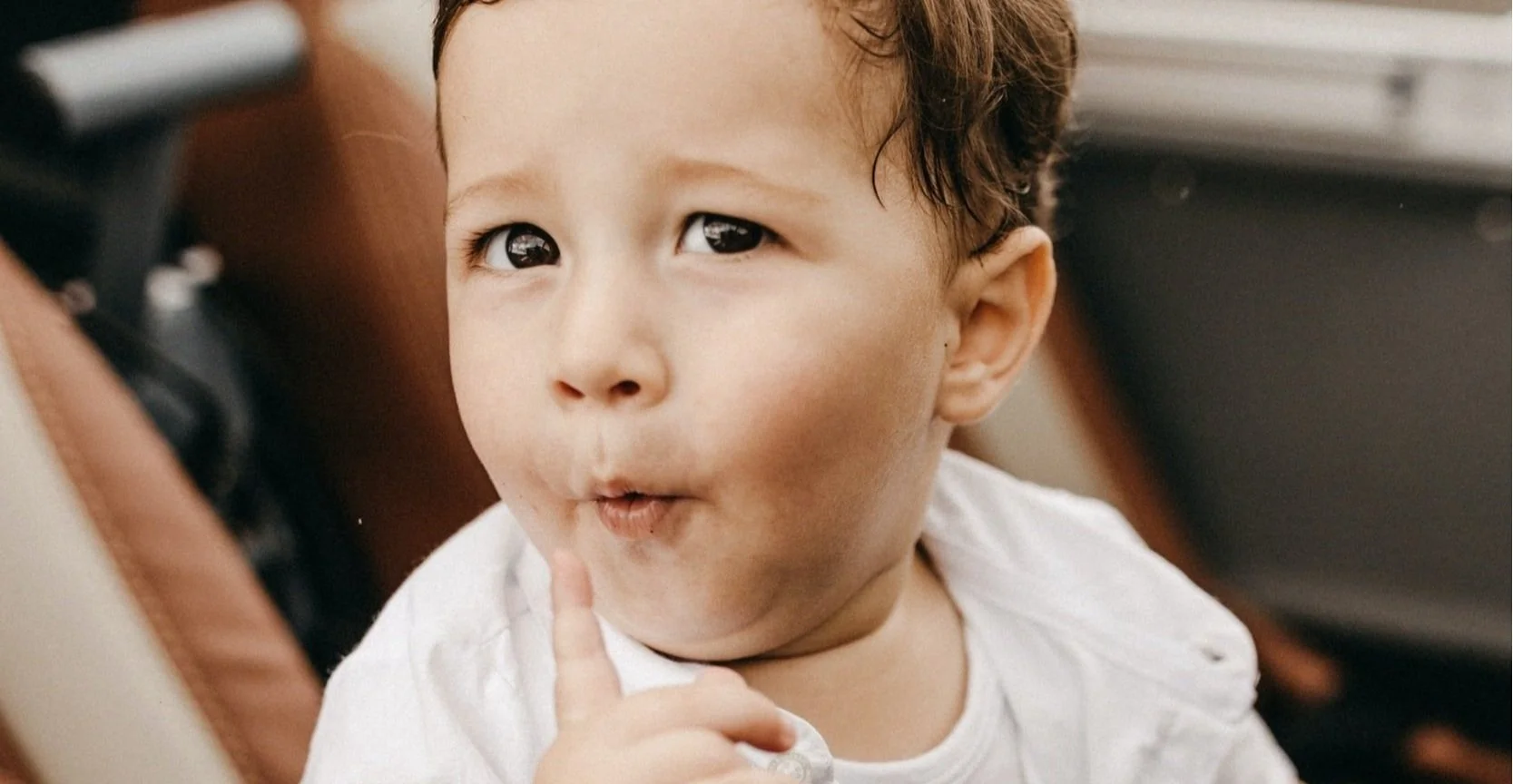
Perhaps when we shy away from teaching critical thinking to our kids, it’s because we’re seeing it through the smoggy lenses of our grown-up definition. We’re so afraid of our kids not trusting us, talking back to us, and being unhappily skeptical about everything that we forget what it feels like for a little thinker to be critical. For a child, critical thinking is an exploration, a collaboration, and even an adventure.

Too Much Holiday Screen Time?
Your kids’ extra screen time doesn’t have to be a source of guilt or a disaster. If your kids go for quality over quantity, there are fun and enriching ways to turn television, movies, games, and apps into learning opportunities.
Big Questions for A Variety of Learners
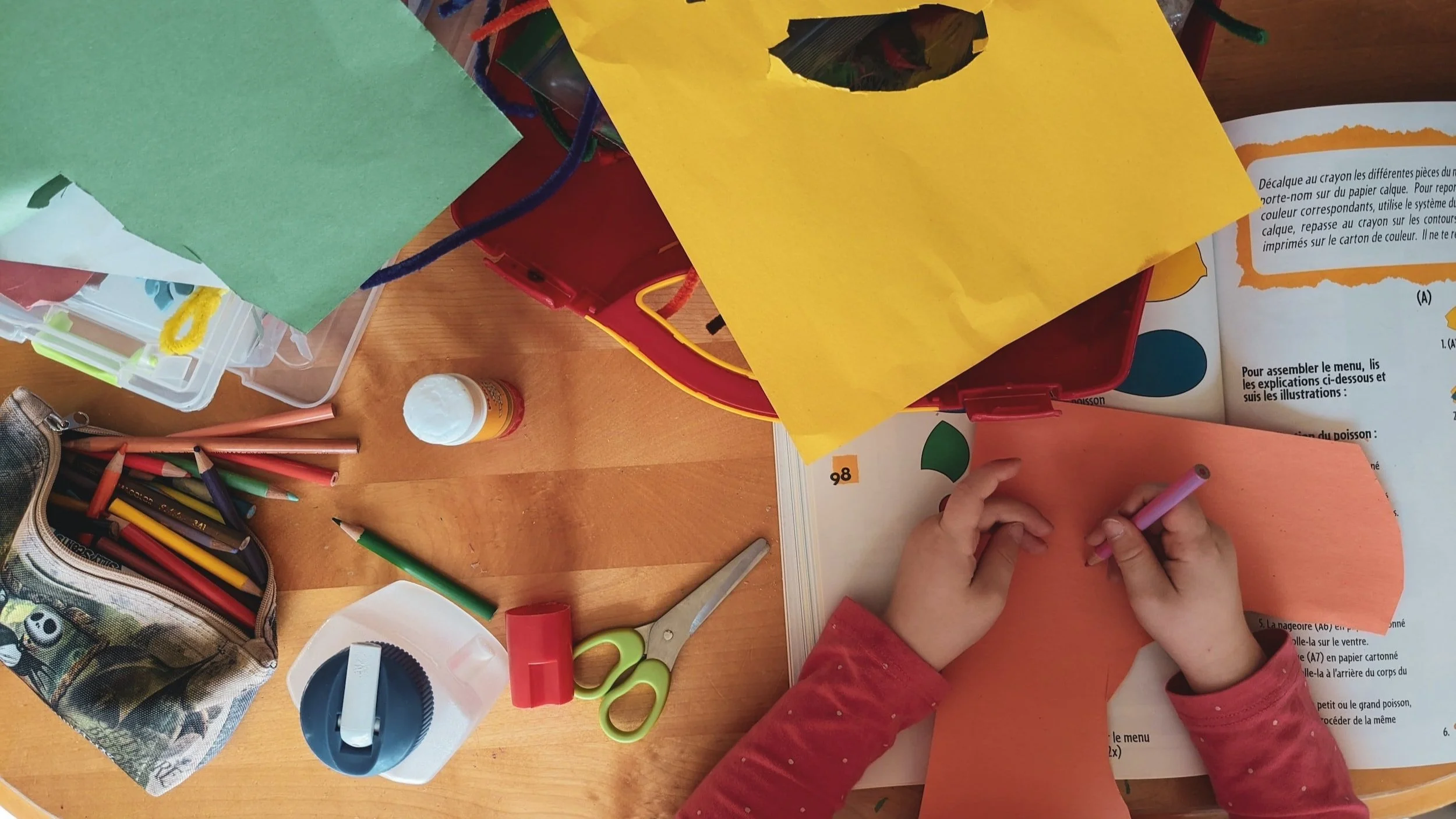
Philosophy may have a reputation for being all about essays and debates, but when it comes to young thinkers, it needn’t be limited to just one or two avenues of learning. There are as many ways to approach big questions as there are children to ask them.

How To Give Your Kid The Ultimate Experiential Gift
Experiences outrank simple stuff any day of the week (or any time of the year). They tend to stick better than the latest toy trends, and they have more widespread, lasting benefits to a child. We’d like to humbly suggest that this year, you give your child something that really will keep on giving: philosophical dialogue.
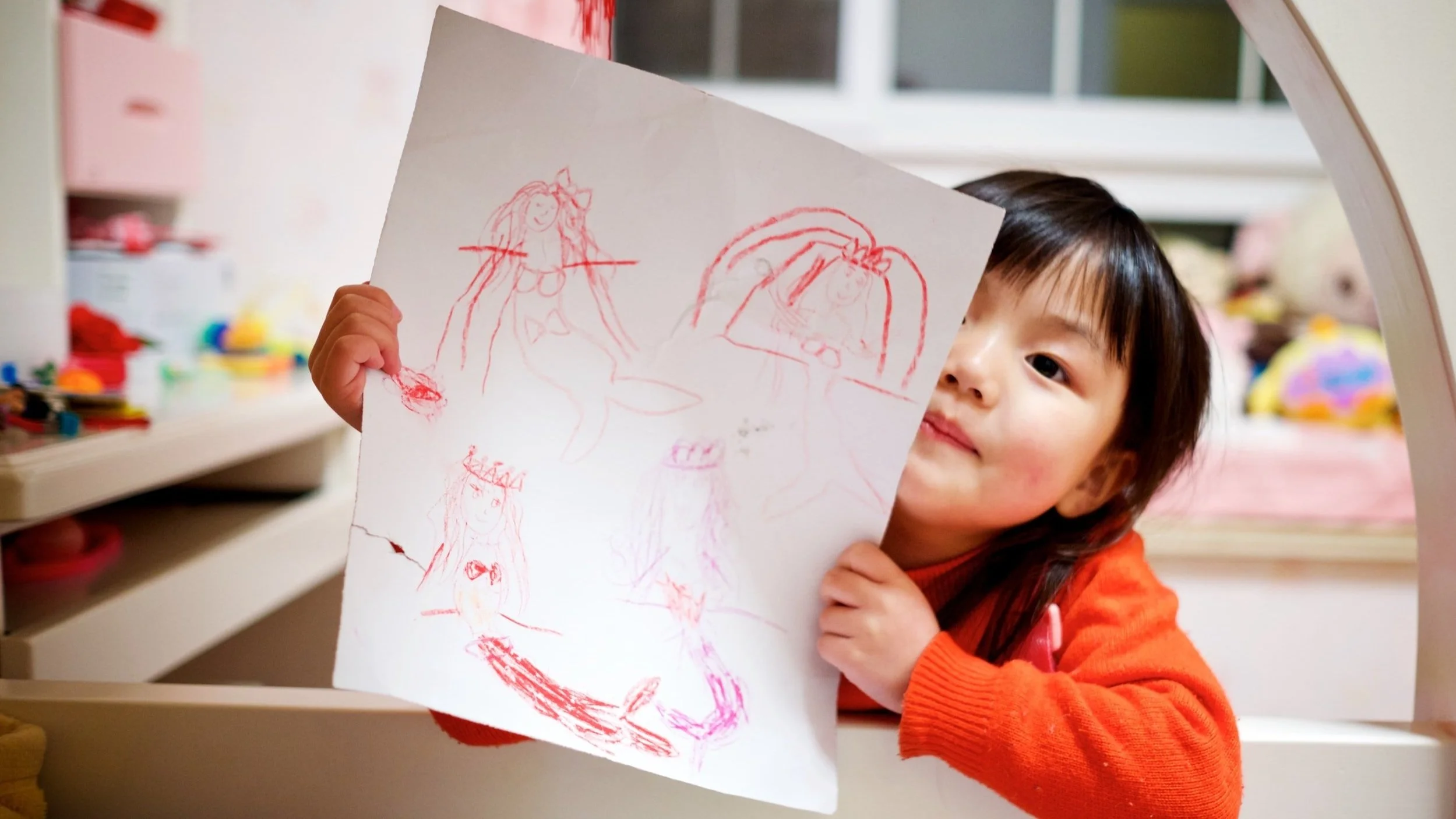
What Does Philosophy With Kids Look Like?
What needs to be established isn’t whether children can do philosophy, but how they do it. Needless to say, philosophy is different when it comes from the mouths of babes.
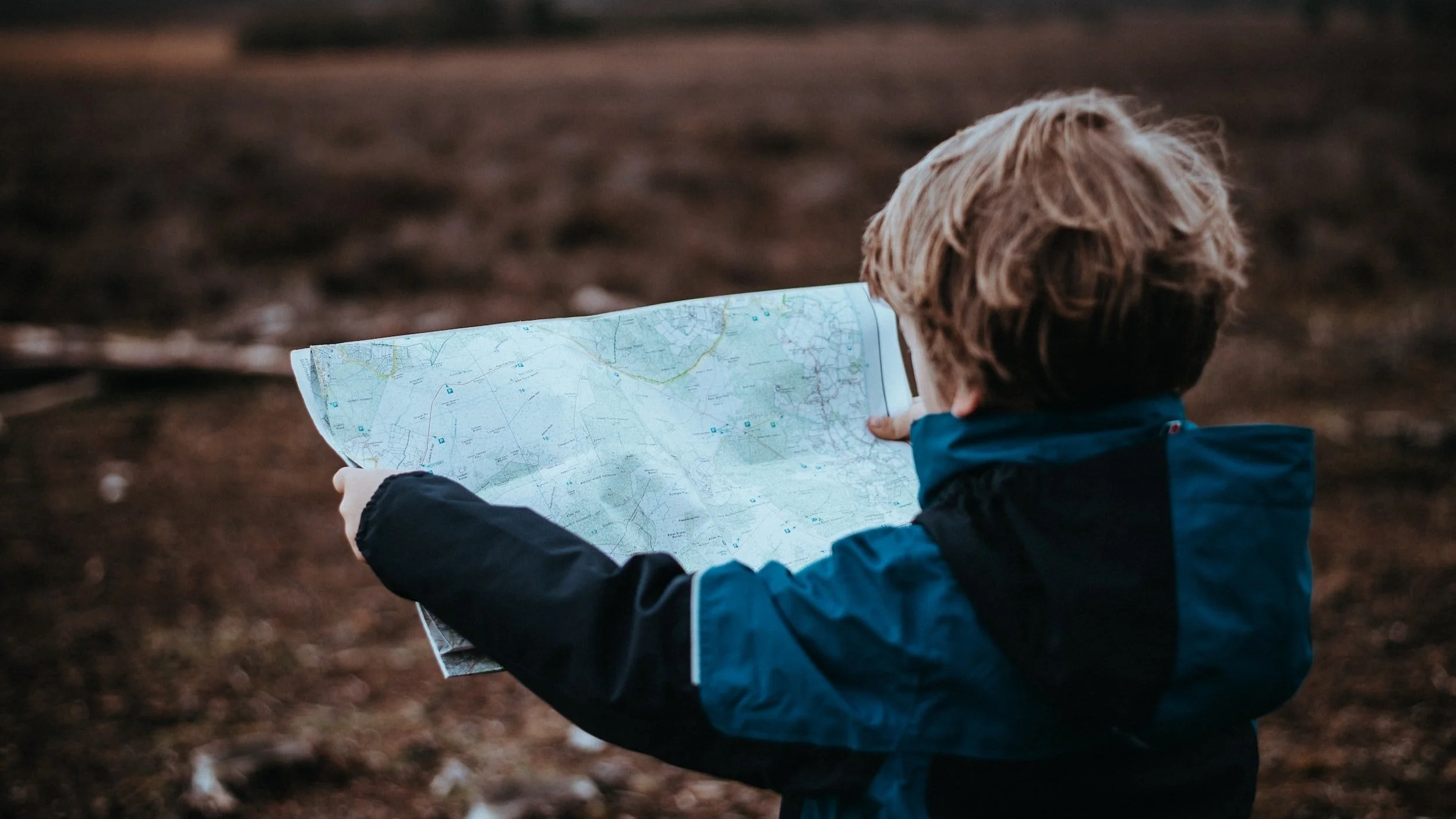
Nurturing Curiosity In Young Thinkers
It really doesn’t take much to spark curiosity in a kid. They spend their days lit up with questions and quandaries, and aren’t afraid to share and explore. It’s this drive and enthusiasm that helps them develop and navigate the world.
It’s also what makes them natural philosophers.
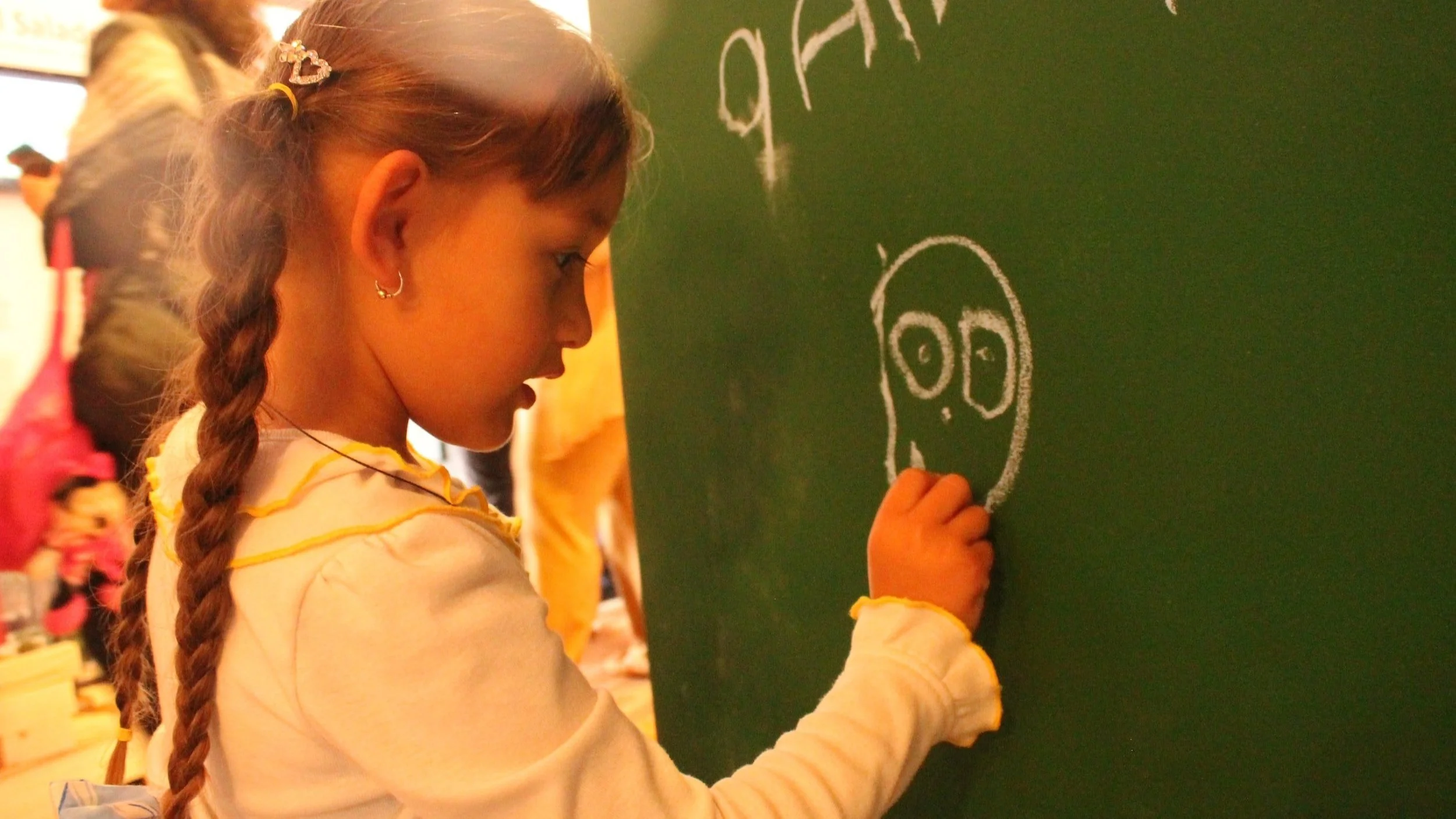
World Philosophy Day Challenge
Yes, even philosophers have a special day, and this is it!
Today, we celebrate the asking of big questions, the curiosity behind them, and the patient and creative stream of thought with which we work through them. Around these parts, we also celebrate the little thinkers who seem to effortlessly embrace philosophy, and the big thinkers who encourage them.
Why Kids’ Philosophy Is The Ultimate Life Rehearsal
Whether it’s mentally, emotionally or socially, we want our kids to be ready to make the most of their time on the world stage, and there’s no better (or more fun) way to do that then to engage them as wee philosophers.
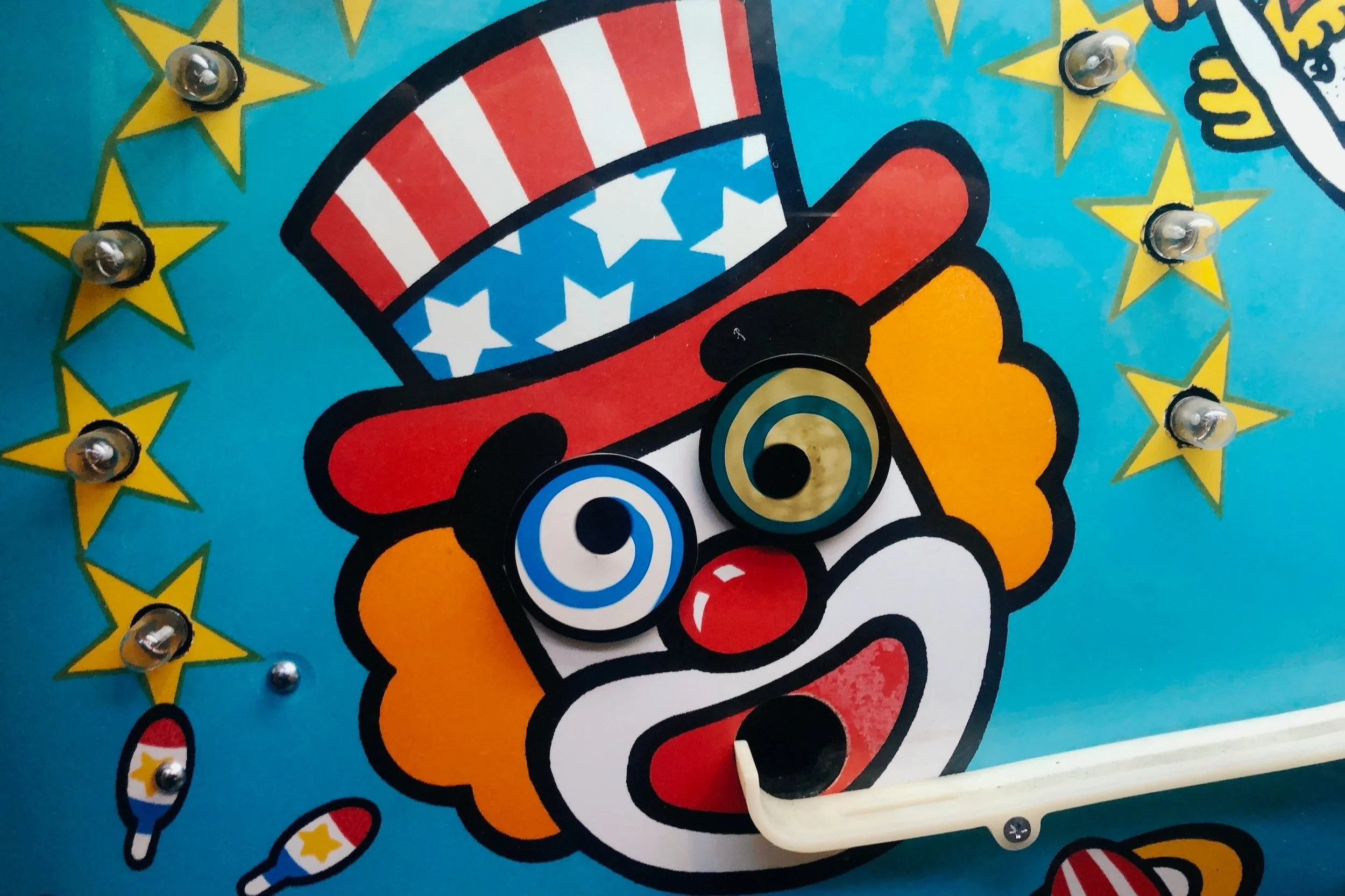
Why It’s Okay To Play (Or Just Be) A Fool In Front Of Your Kids
Why, as parents, do we have such a hard time looking like fools in front of our kids? Why, after centuries of wise fools, haven’t we embraced the notion that sometimes, in order to dig out important ideas, we might have to be a little foolish ourselves?
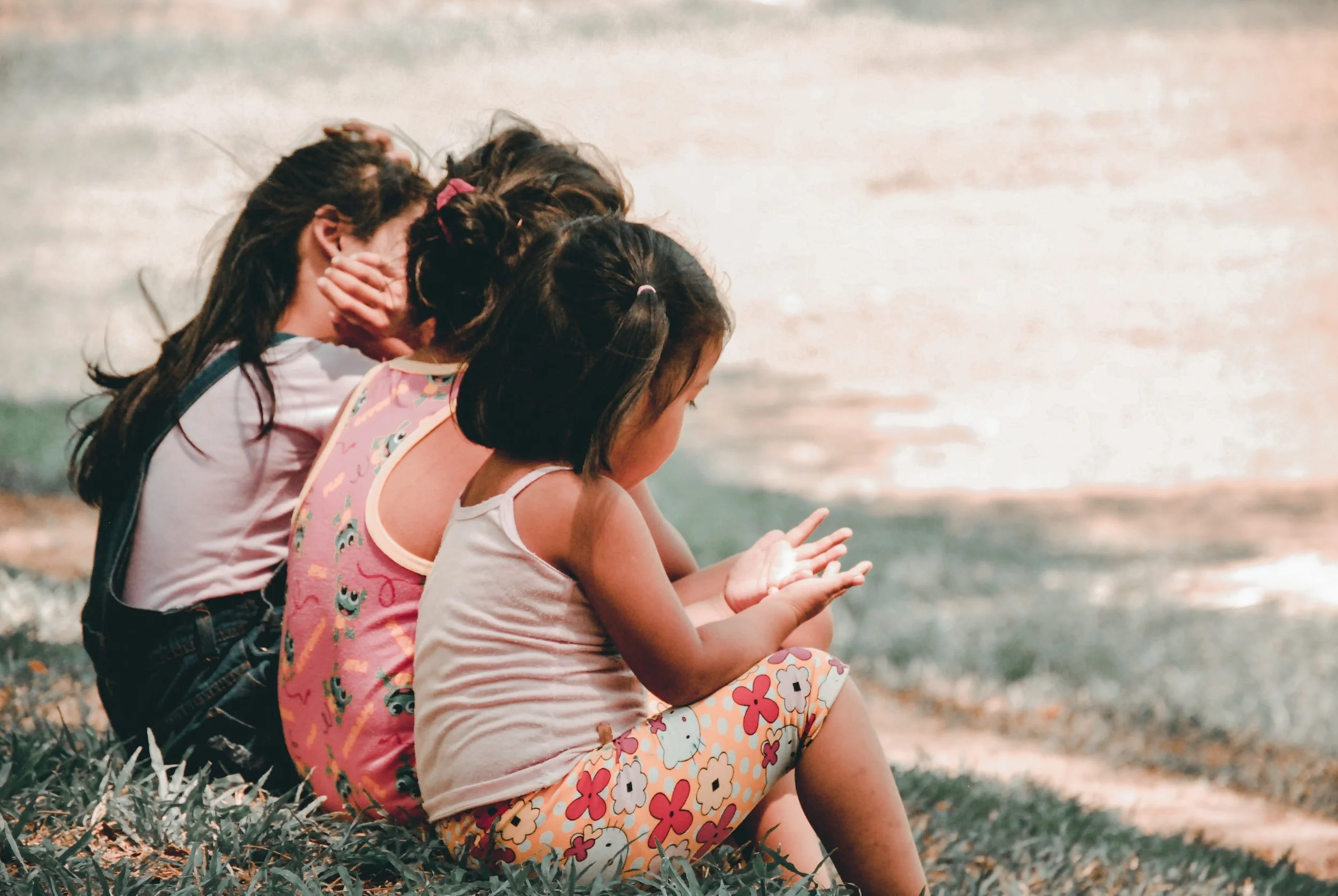
Thinks Well With Others: How Philosophy Encourages Collaboration
Their reality includes social media, interactive learning, and the expectation that they’ll be innovative in their way of thinking. All of these things hinge on being able to not just coexist, but to thrive as a group.
As luck would have it, doing philosophy with your kids can help with this vital skill.

Why It’s Important To Introduce Your Kid To Famous Thinkers From History
Historically speaking, philosophy is just jam-packed with amazing thinkers with fascinating ideas (and fascinating lives). It would be such a shame for little thinkers to miss out on this veritable banquet of thinking just because we assume they’re too little.
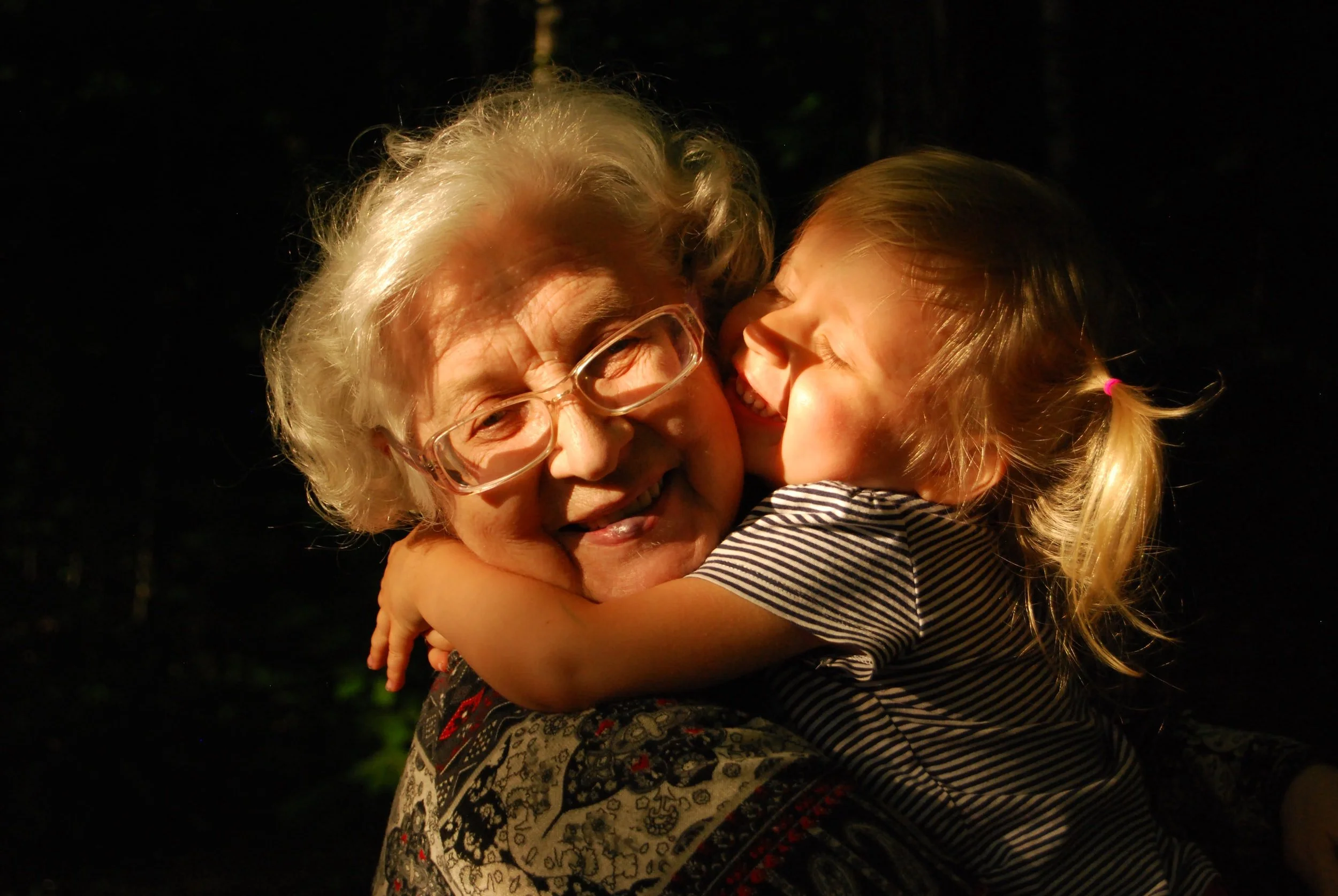
I Am A Lifelong Learner.
A desire for lifelong learning, and the skills to actually support it, might be the best thing we can instill in our little thinkers, and reinforce in ourselves.
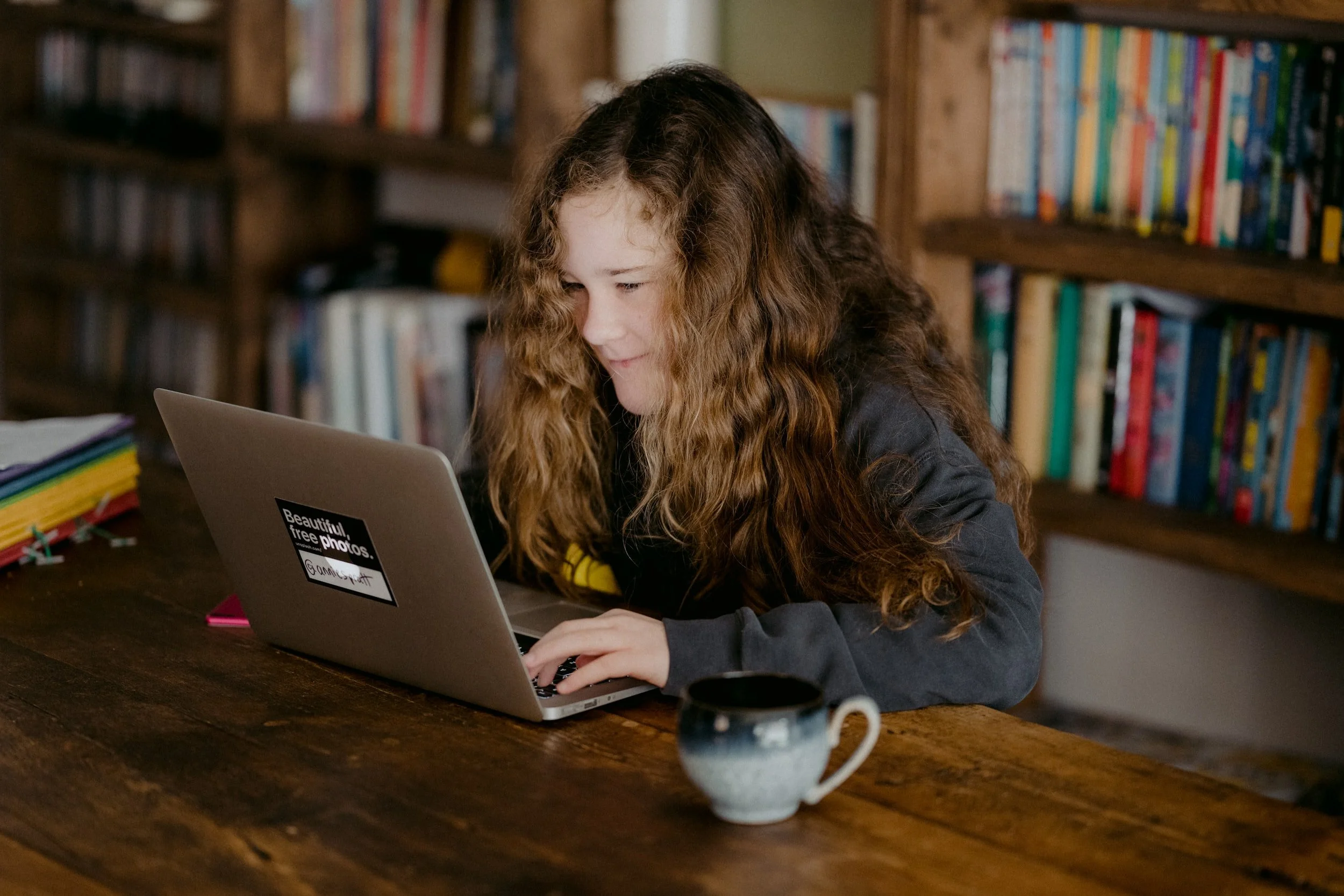
Big Lesson: Think Before You Speak…Or Type.
Why not equip our kids with the critical thinking skills needed to navigate these choppy waters, and form useful habits when they’re still malleable?