


Philosophy And Video Games. For Real.
Video games may just be a jumping off point, a source of inspiration, and a reminder to keep inquiring and keep thinking, and that’s fine. We see them as an opportunity to start conversations, and to invite a wide variety of minds to participate.
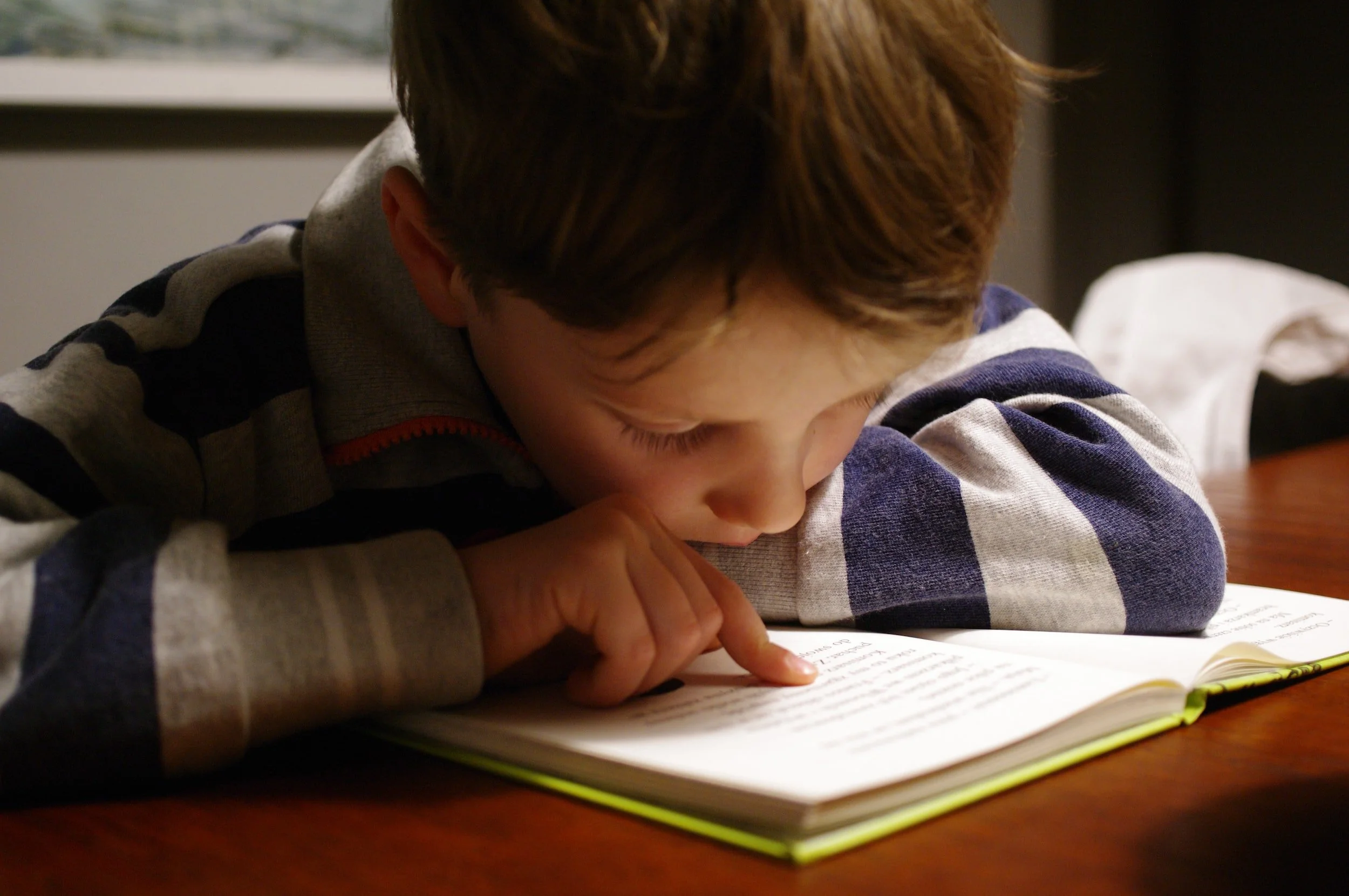
Philosophy Gives Literacy A Boost
There is no greater source of interesting and captivating ideas than philosophy. Even small children have strong opinions about philosophical issues, as well as a drive to be heard, and an interest in hearing new and novel viewpoints.
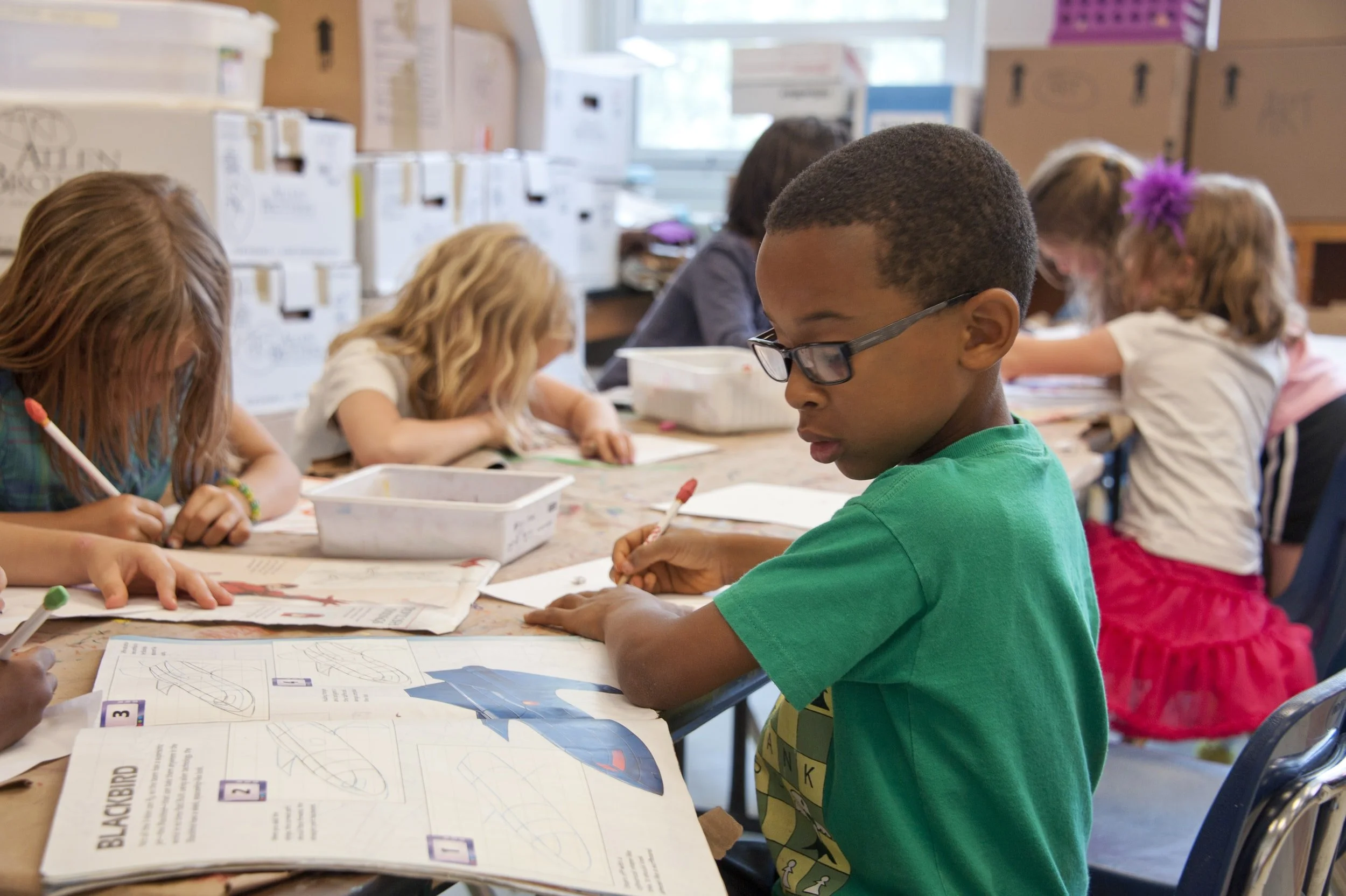
Don’t Be Frightened of the “E” Word (Educational)
The word “educational” makes a lot of people cringe. It conjures up images of heaping plates of broccoli, of having to clean your room, or cut the grass. It makes us think of being chained to a school desk, scribbling the same facts over and over again, and being lectured to. In short, it makes people think of things they have to do because they’re good for them, but that they don’t particularly want to do.

Philosophy For Budding Young Scientists
There are lots of wonderful philosophy questions that can be blended in with scientific exploration. Here are just a few!

Please Stop Thinking Of Philosophy As Just A Subject Area
When we encourage our children as wee philosophers, we are essentially supporting them in learning how to think, instead of just what to think. We’re setting them up for success not only at school, but also in their professional and personal lives. We’re recognizing and encouraging a very human practice, one that’s been in play for tens of thousands of years. It’s a bit much to be squeezed into a subject area, isn’t it?

Cut From the Curriculum: How To Hold Onto Important Lessons in Thinking
It’s the hope of pretty much every parent and educator that school will have room for activities and lessons that foster vital 21st century skills, and that cover important issues. We want our learners to have the most enriching educational experience possible, to be prepared for life outside the classroom, and to become effective global citizens. It’s more than a little disappointing when we hear important pieces of that experience are going away.
Back to School, Back To Thinking
With the new school year approaching (or already started, in some cases), it’s time to double down and really get your kids back into thinking shape. Even if it was a summer of sleeping in, video games, and blockbuster movies, there are still ways to hit the ground running once your child is back in the classroom.

Big Questions For Summer Road Trips
Got a summer road trip planned this month? Are you packed and ready to go? Are you ready to hear the words “Are we there yet?” Your destination is going to be a lot of fun, but sometimes it’s not as much fun to get there. Why not pass the time with a couple of games to keep your kid’s minds buzzing?
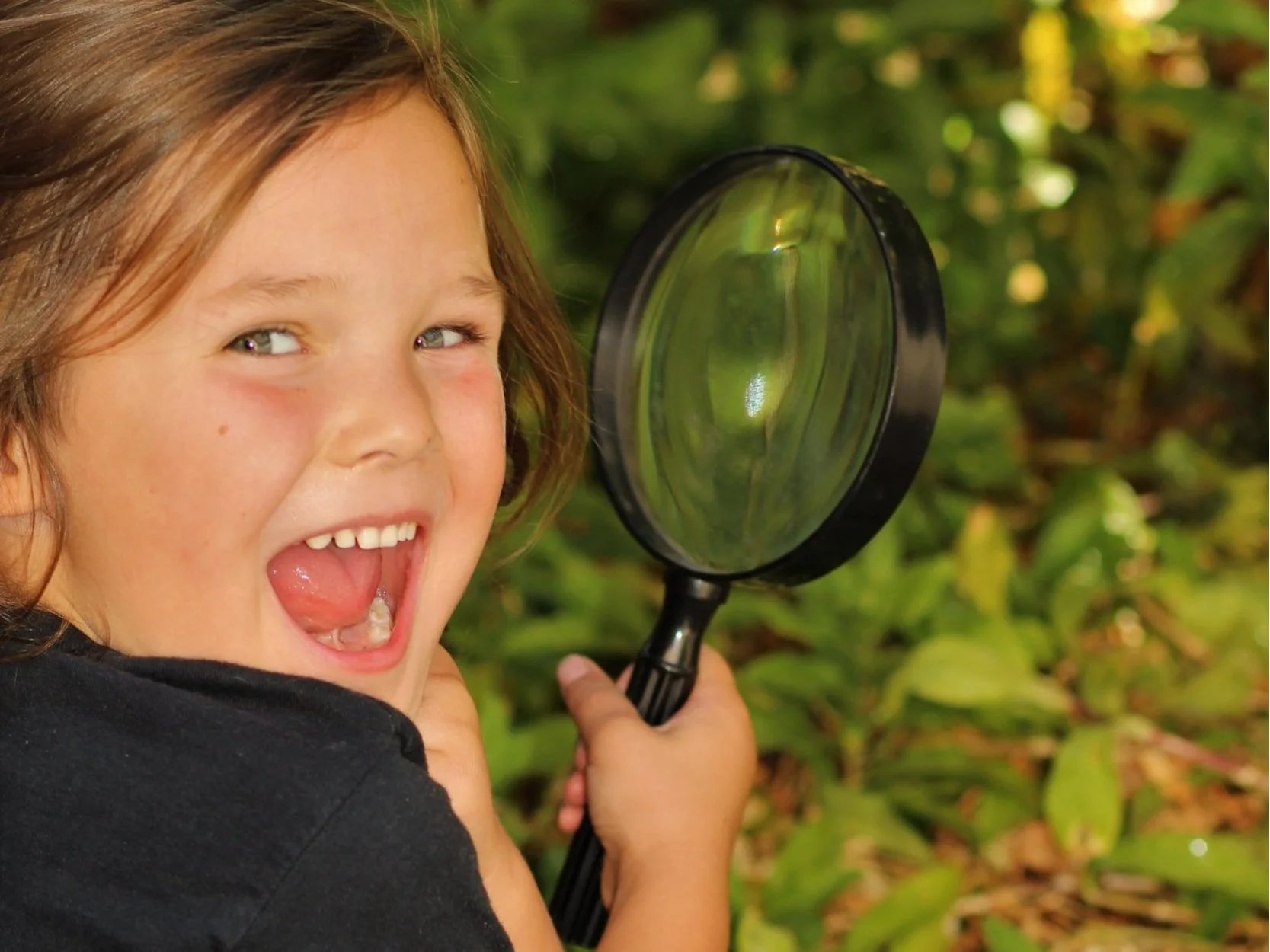
The Truth About The Truth
Little thinkers are curious beyond measure, but don’t necessarily have the filters in place to separate the good from the bad. Let’s face it, a lot of us big people are still learning how to navigate the information age ourselves.
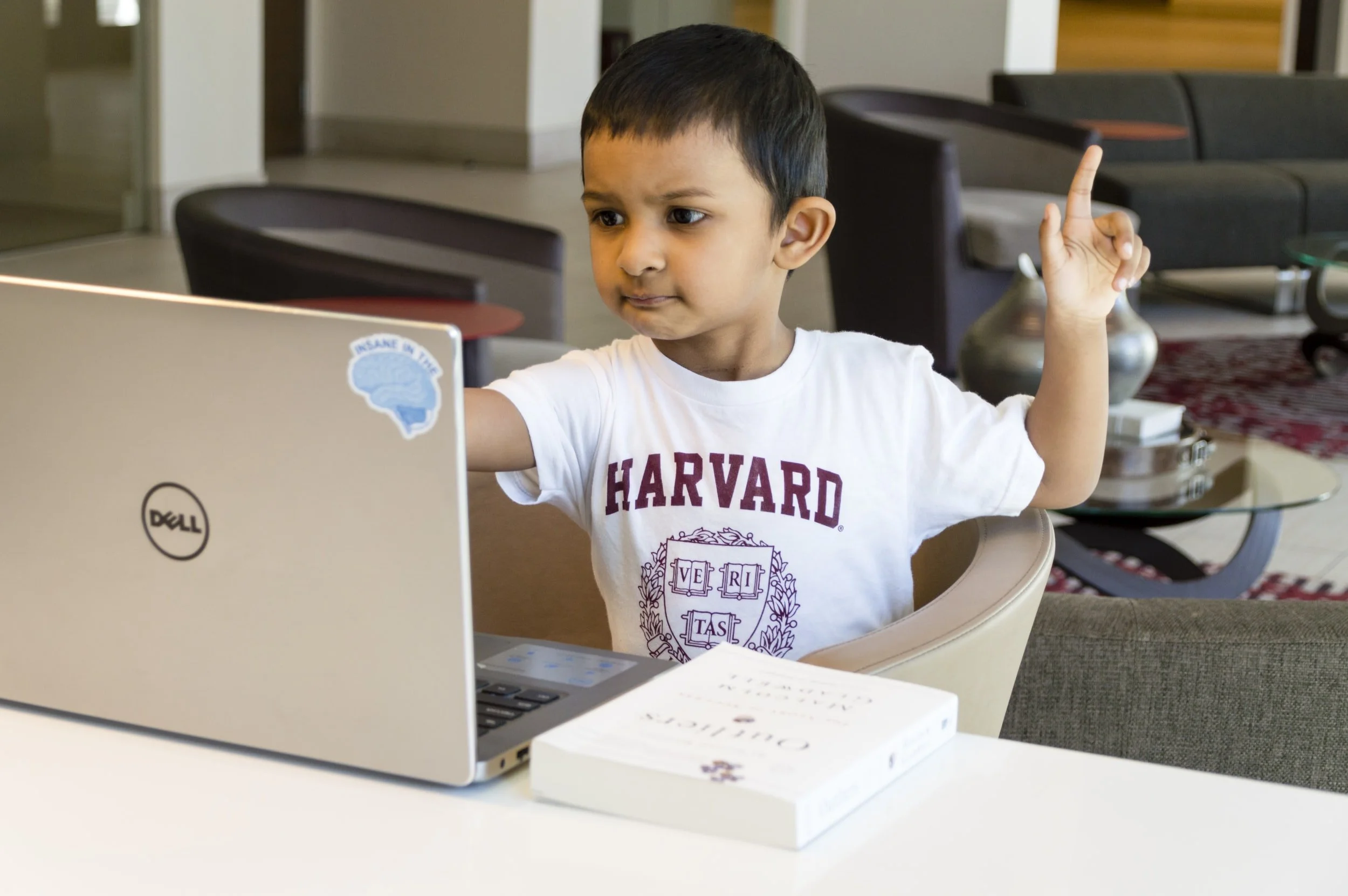
Making the Most of Summer Screentime
Remember, it’s okay if you’ve reached that point in the summer where you need a little help from your electronic friends! With a little bit of creativity, you’ll be able to make sure that this time is still well-spent.
Go Ahead, Argue With Your Child.
Admittedly, the idea of teaching a child to argue seems strange. Along with eating, moving, and occasionally napping, disagreeing appears to be second nature to a small person. Something we don’t always think about as big people is the fact that an argument, at least a good one, is much more than just disagreement or opposition. It’s a way to rationally present a point of view, and more importantly, back it up with solid reasons. It’s a way to communicate and test ideas objectively. If this sounds like something that’s beyond a child’s capabilities, reconsider.

Some Big Questions About Beauty
Talking about art and beauty with your little thinker will not only help them to develop skills in critical thinking and communication, but it will remind both of you that even in weird, tough times, there are still beautiful things to see, make and appreciate. That’s a boost we could all use right now.

Another Important Reason to Read To/With/Near Your Kids
Reading with your kids not only helps them grow into better readers, but also into better thinkers. Diving into a good book helps to make children aware of other perspectives and possibilities, and it also opens the door for discussion of big questions and complex issues.

Are You As Courageous As Your Kid?
When it comes to asking big questions, young thinkers seem to have more than enough courage. In the eyes of many kids, there is no subject that’s out of bounds, no one who can’t or shouldn’t be asked, and no time or place that isn’t right. It’s quite impressive, really.
So why do we lose the courage to ask as we grow up? What exactly are we afraid of?
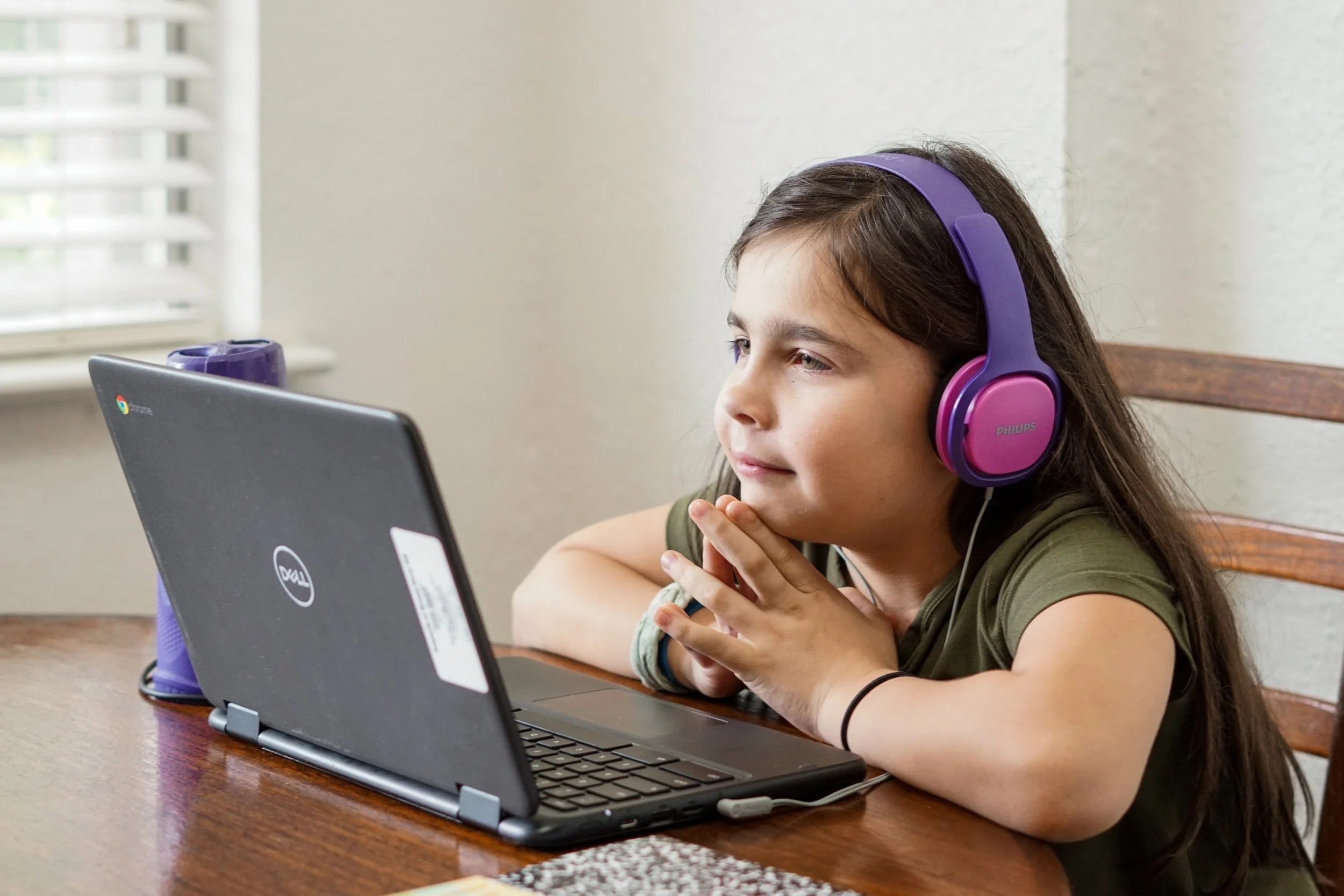
Talk To Your Kids About Life Online: 5 Big Questions To Get You Started
Setting rules for use, including when, where, what and for how long is both appropriate and necessary, but is it enough to help digital natives really understand the virtual aspects of their lives?
What is an argument, anyway?
Philosophy is all about presenting an argument, but a specific type of argument. It’s not about the angry, shouty kind of argument, but rather about the kind where you present an idea, give reasons to back it up, and prepare to look for other ideas that may mean you need to re-valuate it.
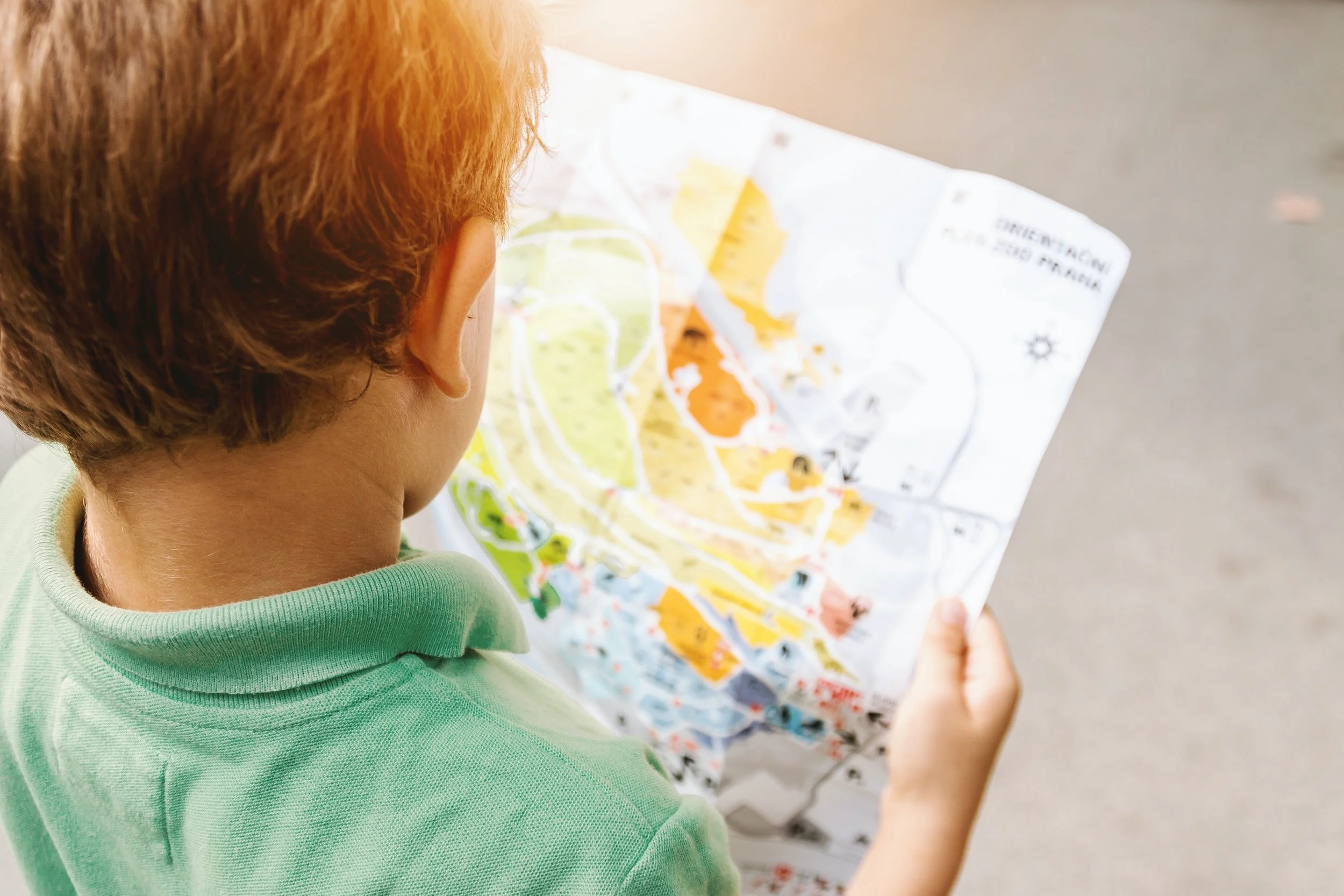
Big (Huge) Question: What Makes A Country?
Children of all ages have big ideas about this, and starting up a conversation can not only help them understand their place in their country, but also how people come together and stay together.
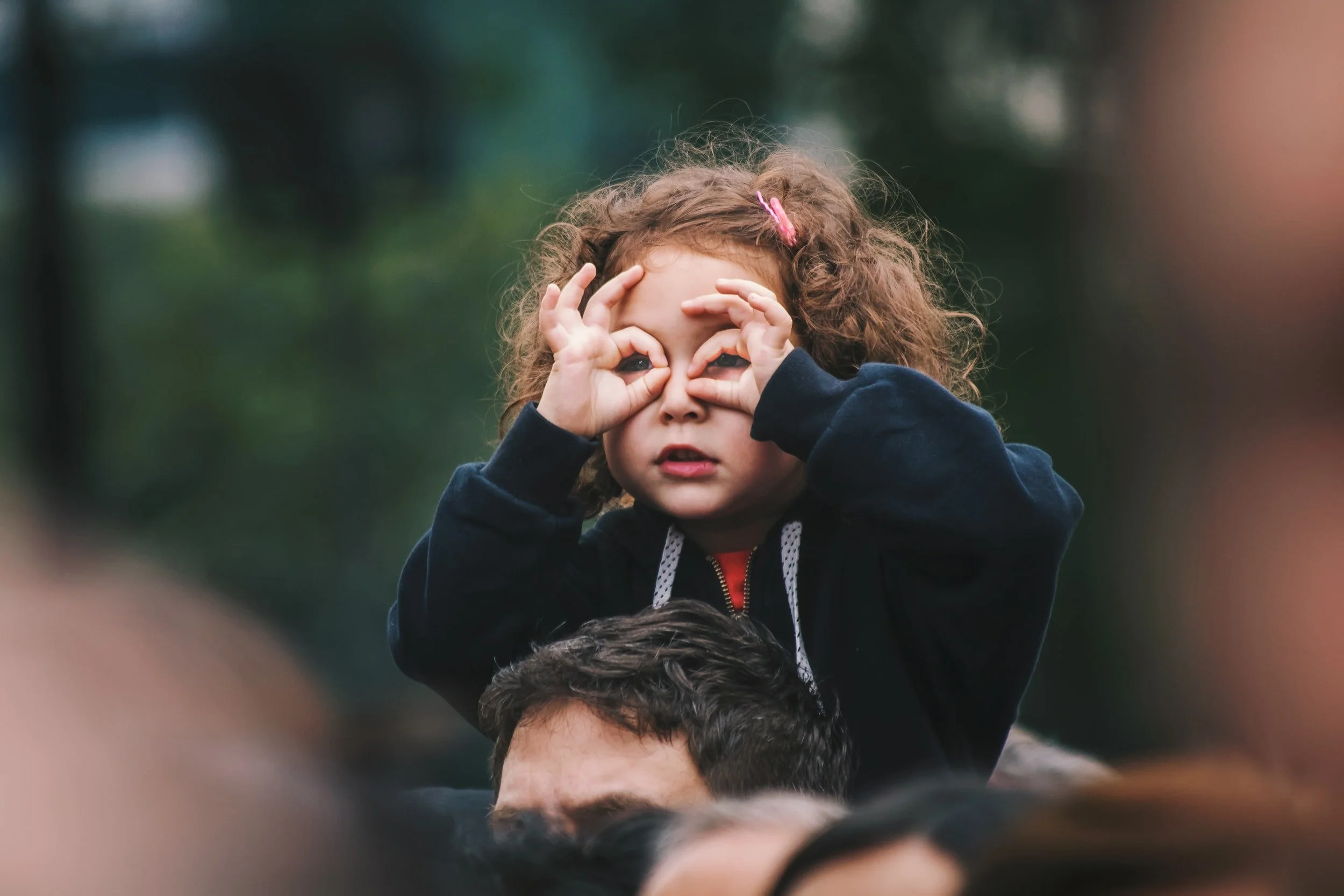
Do You Have To Be A Philosopher To Do Philosophy?
Embracing your own inner philosopher, and encouraging your child to grow as a thinker, is likely to be a fun experience that will build a bond of trust between you.

It’s Officially Summer…Let The Thinking Begin!
There are ways to keep a little thinker busy over the summer, and many of them also present opportunities to fill in any linger learning gaps, and even get ahead of the game for September.

But What If I’m Wrong?
Taking risks, being critical of ideas (even your own), and being willing to back up and try again, are all part of learning, for thinkers big and small. Don’t let the thought of getting it wrong keep you from taking on big questions with your kid!