

Bring big questions into your classroom!
If you’re a teacher, a community leader, or a homeschool parent, you’ve landed in the right spot!
Cruise through our list of free, downloadable lesson plans that spans all kinds of topics, and interests. All of them make learning to think critically and philosophically fun!
Looking for something specific, like a curriculum subject or theme? Pop it into the search field, and you’ll find a variety of lessons, as well as helpful blog posts. Be sure to check out our “Just For Fun” activities, as well as our assessment and evaluation tools.
New stuff added all the time, so keep checking back!
Happy thinking!

Lesson Plan: Homework About Humans
Think critically about what it means to be “human” by investigating what makes us similar to or different from other animals. Roleplay as a cryptozoological creature (a Yeti) to research and ask questions about human physical, social, and behavioural characteristics. Use graphic organizers and a labelled diagram to “teach” an audience of other cryptozoological creatures (Yeti students) about the humans that live in their environment.
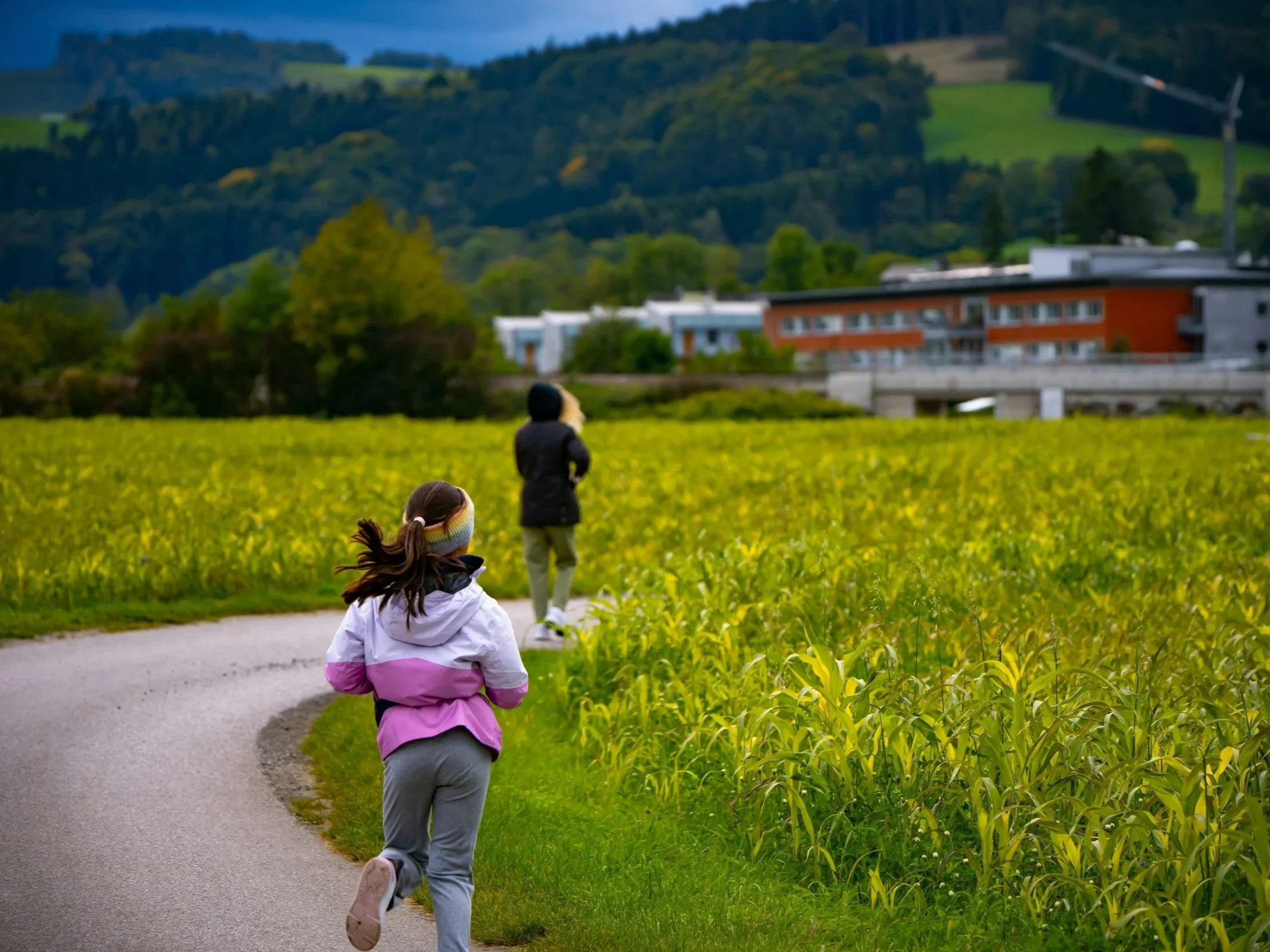
Lesson Plan: Healthy Body, Healthy Mind
Identify and describe what makes us happy and healthy as individuals. Investigate and discuss the needs of our bodies and minds, as well as how they are connected or separated.

Lesson Plan: Beautiful By Surprise
Research what life was like for a philosopher who accomplished something that was unexpected in the time and place in which he or she lived. Understand that not all great thinkers lived in a time or place in which their ideas or actions were considered acceptable or important. Learn about how philosophers overcame these obstacles in order to accomplish great things. Make connections between the accomplishments of this philosopher and personal goals for intellectual achievement.
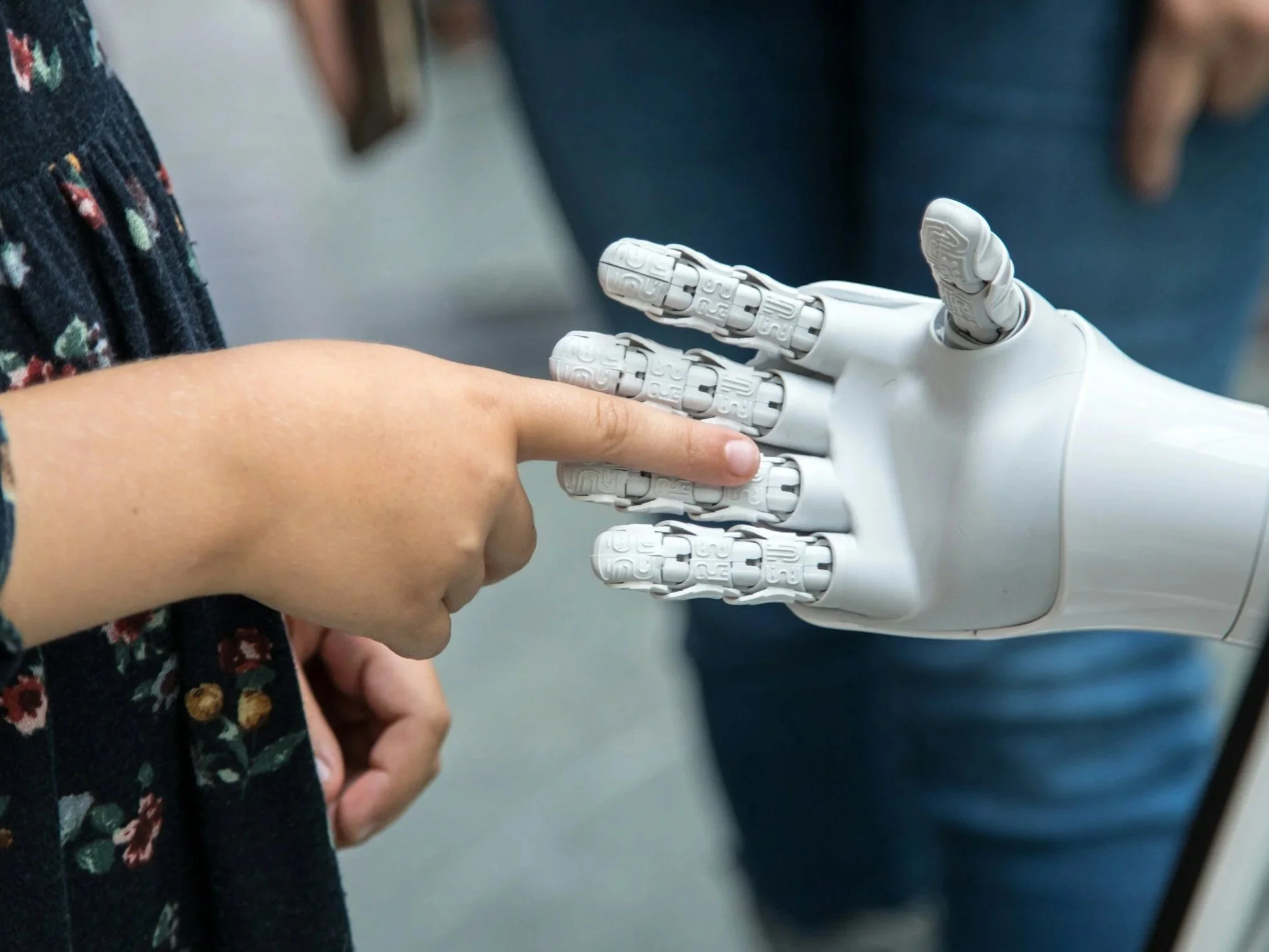
Lesson Plan: Anatomy Of A Robot
Identify important components of a robot by comparing them to human anatomy. Create a labelled diagram of a robot with explanations of its parts and their functions.
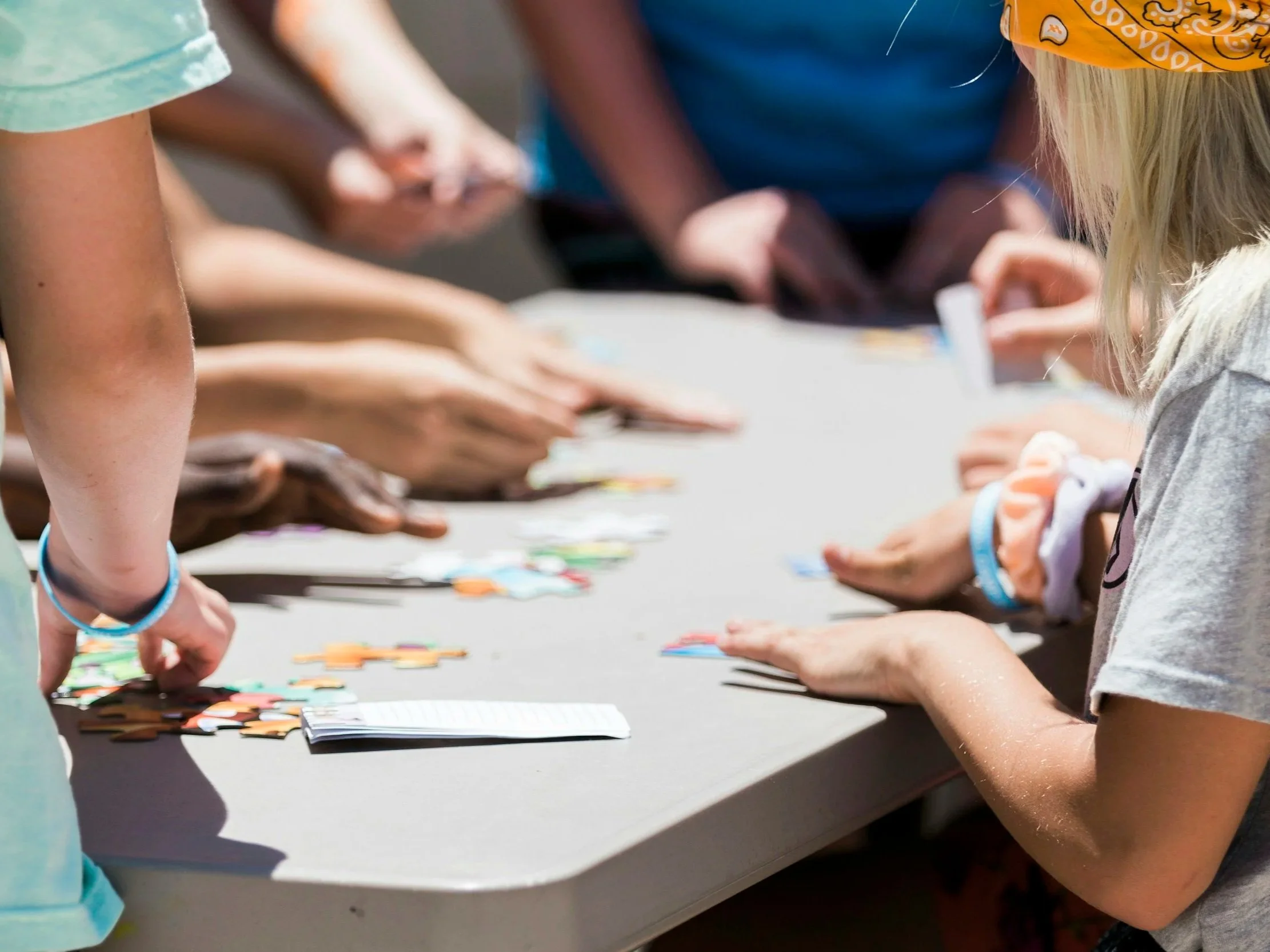
Lesson Plan: Rules For Some, And Rules For All
Examine the role of rules in our daily lives. Explore the impact of rules on family, the environment, and school. Think critically about the difference between rules for some and rules for all.
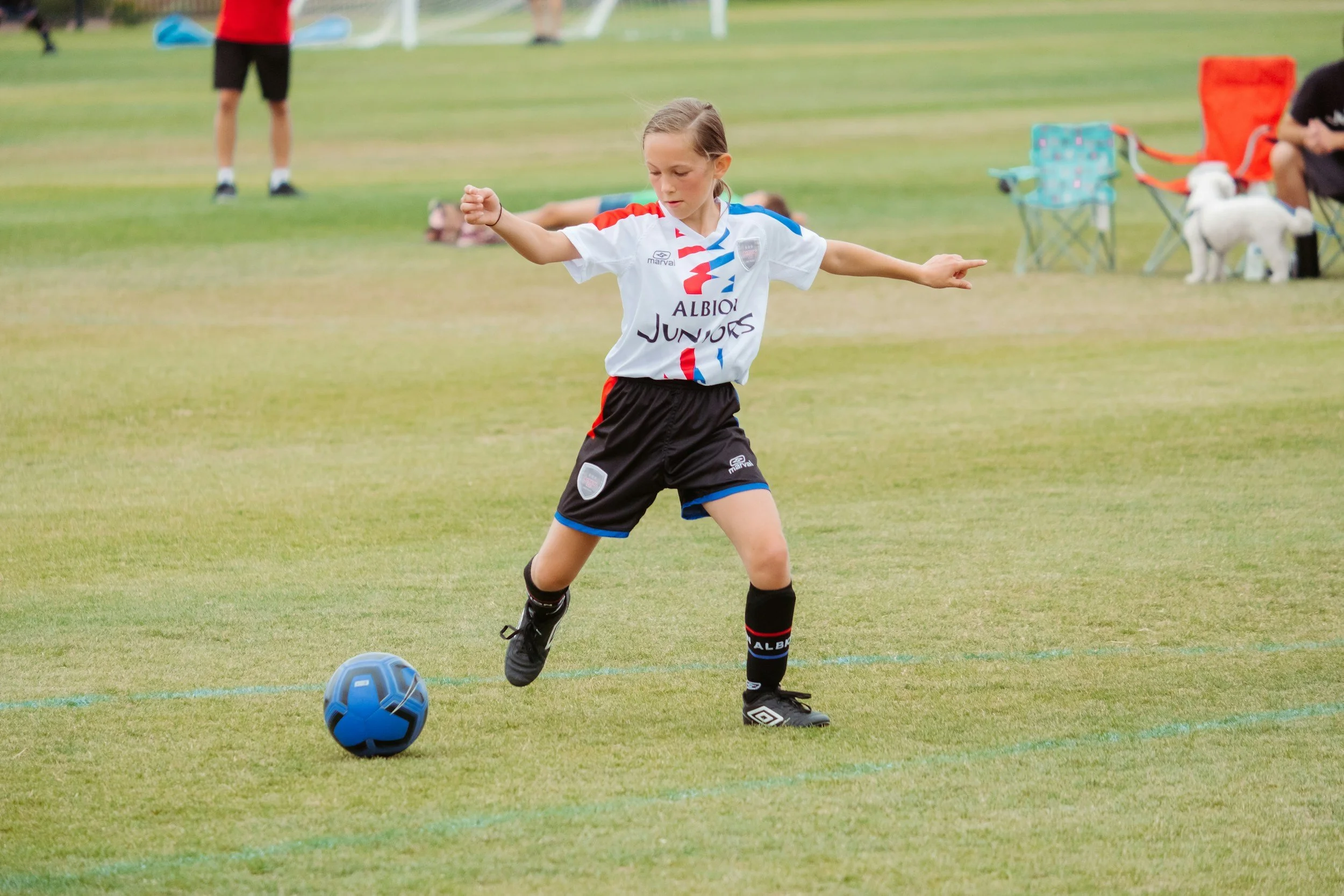
Lesson Plan: I Was Wondering About Sports and Fairness
Create an original “Classroom Olympic Game” (physical activity or sport) that is “fair” for participants to play. Think critically about the basic components of the activity and identify the features of the game that make it “fair” to demonstrate an understanding of ethics and healthy competition. Play games created by other students and consider how the rules of an organized physical activity affect participants in terms of safety, respect, accessibility, and personal enjoyment.